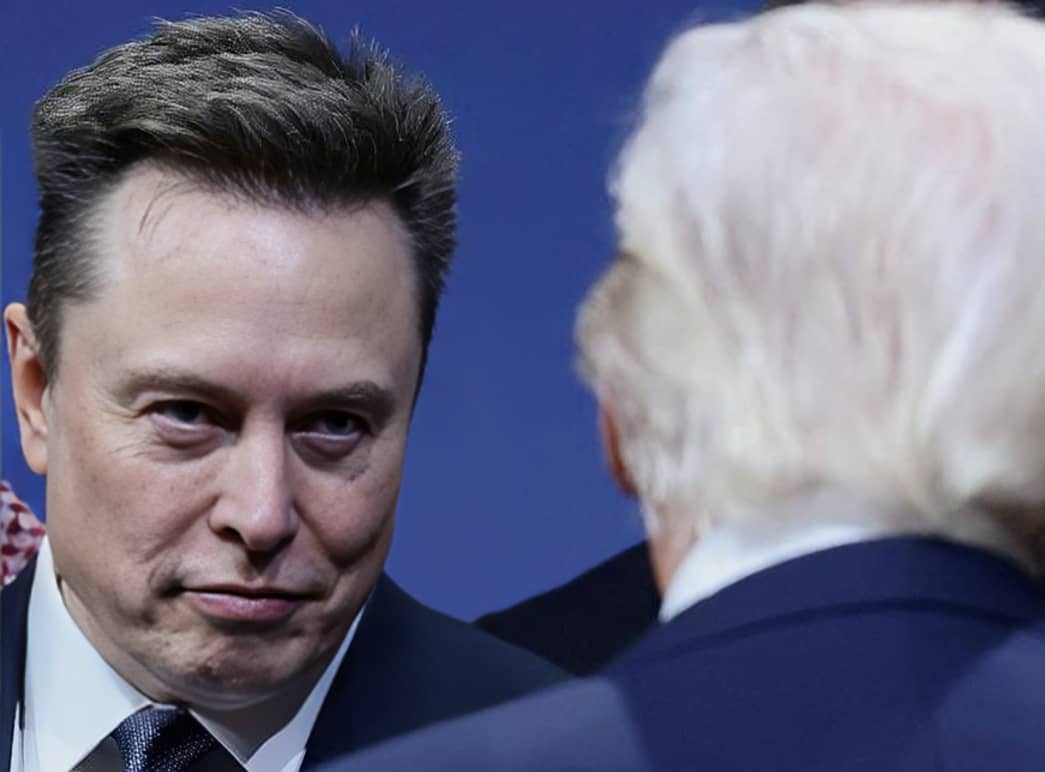

Technology entrepreneur Elon Musk has acknowledged that he became "a little too involved in politics" while serving in the Trump administration's Department of Government Efficiency. His comments came during a recent interview in which he reflected on his experience in public service and addressed criticism surrounding government policy decisions.
Speaking about his role in the administration, Musk said his involvement in political affairs became greater than he had initially expected. While discussing his time in government, he indicated that balancing public responsibilities with his work in the private sector had presented significant challenges. His remarks offered a personal reflection on the increasing overlap between his business leadership and political engagement.
Musk has frequently been at the center of public debate due to his involvement in technology, artificial intelligence, space exploration, electric vehicles, and social media. In recent years, his comments on public policy and government decisions have attracted widespread attention both in the United States and internationally.
During the interview, Musk also addressed reports suggesting that reductions in funding for the United States Agency for International Development had contributed to rising terrorism and increased child deaths in certain regions. He rejected those claims, describing them as inaccurate and saying they did not reflect the available evidence according to his understanding.
The United States Agency for International Development, commonly known as USAID, is responsible for administering American foreign assistance and development programs around the world. Its activities include humanitarian relief, public health initiatives, education, food security, economic development, and disaster response in numerous countries.
Funding decisions related to international aid have often been the subject of political debate in the United States. Supporters of foreign assistance argue that such programs contribute to global stability, humanitarian relief, and long term development. Others have called for greater scrutiny of government spending and have advocated reforms to improve efficiency and accountability.
Musk's comments come amid continuing public discussions about the relationship between business leaders and politics. Prominent executives have increasingly taken public positions on policy issues, leading to broader conversations about the role of private sector leaders in government and political decision making.
Political analysts note that individuals with leadership roles in both business and government often face heightened public scrutiny. Statements made by such figures can generate significant public debate because of their influence across multiple sectors.
The interview has also renewed discussions about the responsibilities of public officials when commenting on policy issues. Experts emphasize the importance of evidence based discussions, particularly when addressing topics involving international development, humanitarian assistance, and national security.
Observers have pointed out that debates surrounding foreign aid, government efficiency, and public spending involve a wide range of perspectives from policymakers, economists, humanitarian organizations, and international institutions. These discussions often include differing assessments of the effectiveness and long term impact of development assistance programs.
Musk concluded his remarks by reflecting on the balance between innovation, business leadership, and public service. His comments have generated widespread attention and are expected to contribute to ongoing discussions about political engagement by influential business leaders, the role of government efficiency initiatives, and the broader relationship between the private sector and public policy.