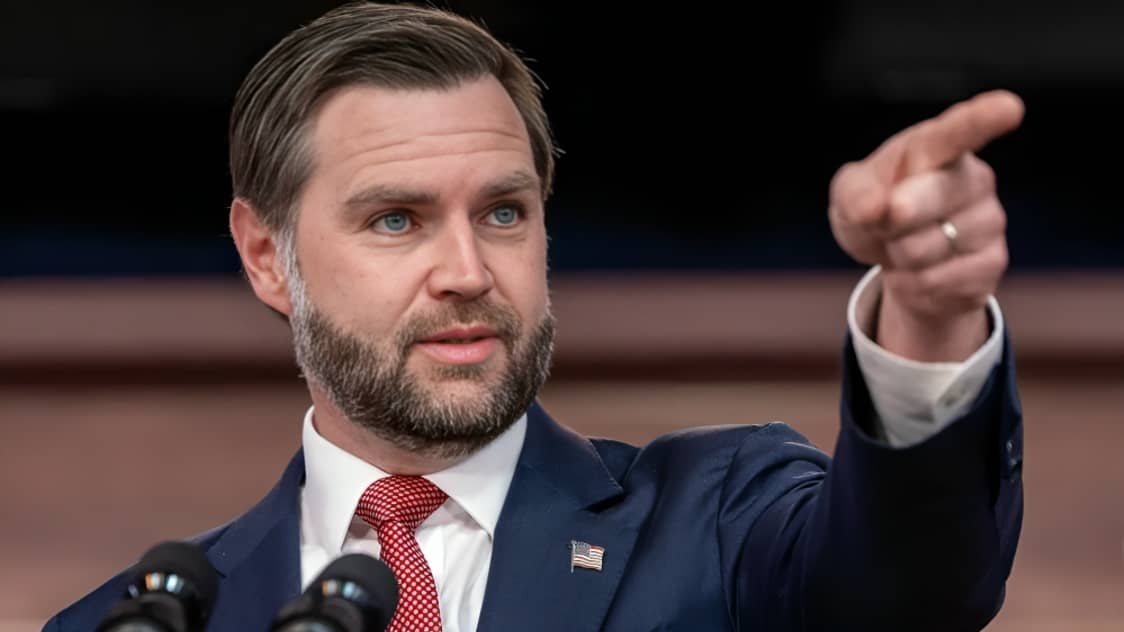
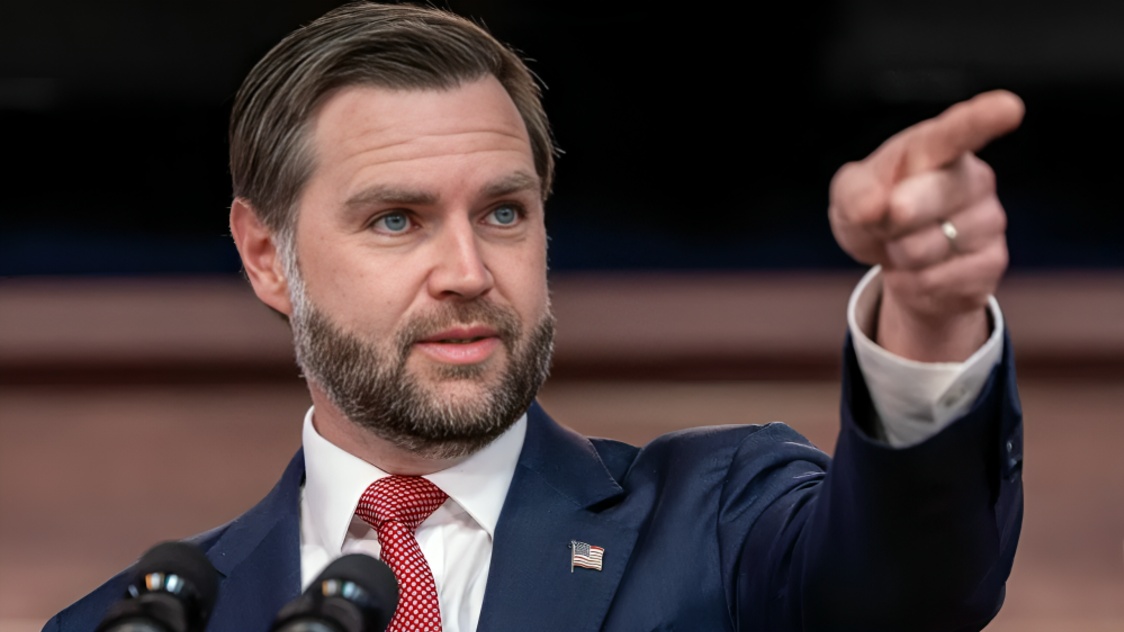
US Vice President JD Vance has reiterated the Trump administration’s position that the H-1B visa programme should be used to address specialised skills needs rather than replace American workers with lower-cost foreign labour.
Speaking about the administration’s approach to the programme, Vance questioned the practices of companies that claim they cannot find qualified workers while simultaneously reducing their US workforce. He said employers should not seek foreign workers to fill positions similar to those from which American employees have recently been laid off.
Vance argued that the H-1B programme should contribute to the US economy and support highly skilled employment. His comments come as the Trump administration continues to introduce changes aimed at increasing scrutiny of employers that sponsor H-1B workers.
The H-1B visa is a US nonimmigrant work visa that allows American employers to hire foreign professionals for specialised occupations. The programme is widely used in sectors such as technology, engineering, healthcare, research and other specialised fields. Indian professionals have historically represented a large share of H-1B beneficiaries.
According to data cited by the Indian Express, people born in India accounted for 71 percent of approved H-1B petitions in fiscal year 2024. This means that changes to employer requirements, application scrutiny, fees and employment conditions can have a significant effect on Indian professionals seeking jobs in the United States.
One of the major issues raised by Vance concerns companies that reduce their American workforce while continuing to seek H-1B workers. He questioned how a company could claim to have a shortage of workers after laying off thousands of employees.
The administration has now moved beyond statements about the issue and introduced additional scrutiny through an executive order signed by President Donald Trump on September 18, 2026. The order directs the Departments of State, Labor and Homeland Security to consider whether an employer has directly or indirectly carried out layoffs affecting similarly situated US workers during the previous year or plans such layoffs when evaluating H-1B applications.
The White House said the measure is intended to strengthen the integrity of the H-1B programme and protect US workers. The administration argues that certain employers and outsourcing companies have misused the system to obtain lower-cost foreign labour and, in some cases, replace American workers.
These claims are part of the administration’s stated justification for the new policy. They should not be interpreted as evidence that every company employing H-1B workers has violated immigration or labour rules. The executive order directs agencies to examine employer circumstances as part of the application process rather than automatically declaring every H-1B-sponsored worker or employer to be in violation.
The administration has also continued its policy of imposing a higher financial requirement for certain new H-1B applications. The White House said on September 18 that a 100,000 dollar fee requirement for certain H-1B applications, originally introduced in September 2025, had been renewed. The policy has faced legal challenges, and the ultimate legal position could affect how the measure is implemented.
For Indian applicants, the developments could make employer selection increasingly important. An applicant’s eligibility for an H-1B visa is not based simply on nationality. The programme continues to involve requirements relating to the proposed occupation, employer sponsorship, qualifications, wages and other immigration rules.
However, increased scrutiny of sponsoring companies may affect the hiring environment for foreign professionals. Employers that have recently conducted layoffs involving workers in comparable positions could face additional examination when seeking H-1B workers under the new administration policy.
The issue is particularly relevant to the US technology sector, where Indian professionals and Indian-origin IT companies have a substantial presence. Changes to H-1B costs and processing requirements can influence how companies plan recruitment, outsourcing and international operations.
Reuters reported that the Trump administration’s H-1B restrictions have already affected corporate hiring strategies. The report noted that some major H-1B users, including Alphabet, have increased operations in India as companies adjust to changing US immigration policies.
The Trump administration says its objective is to encourage employers to hire American workers where qualified workers are available while preserving the H-1B programme for specialised talent. Business groups and companies, however, have argued that H-1B workers can help address genuine skills shortages and support sectors where employers say they have difficulty finding qualified US workers.
This difference in perspective remains central to the debate over the future of the H-1B programme. Supporters of tighter restrictions focus on wages, employment opportunities for American workers and allegations of programme abuse. Businesses that depend on skilled foreign professionals have argued that restrictions could increase costs and make it harder to recruit specialised talent.
The administration has also increased enforcement efforts against alleged H-1B and employment-visa fraud. The US Labor Department’s inspector general has warned about alleged practices including fake jobs, sham employers and wage kickbacks. Investigations into such allegations are ongoing, and individual findings should not be treated as evidence of wrongdoing by the wider H-1B workforce or by all companies sponsoring foreign professionals.
Vance’s latest remarks therefore form part of a broader policy shift rather than a nationality-specific restriction on Indian applicants. Indian professionals remain eligible to seek H-1B employment under US immigration law, but employers sponsoring them may face additional scrutiny depending on their workforce and hiring history.
For prospective Indian applicants, the key developments to watch include employer compliance, the financial cost of sponsorship, scrutiny of companies with recent layoffs, processing requirements and ongoing court challenges involving the administration’s H-1B policies.
The final impact of the latest measures will depend on how federal agencies implement the new requirements and how US courts resolve legal challenges to the administration’s immigration policies. For now, Vance’s comments and the September 18 executive order indicate that the Trump administration intends to place greater emphasis on employer practices and the protection of American workers while continuing to allow H-1B hiring for specialised occupations.