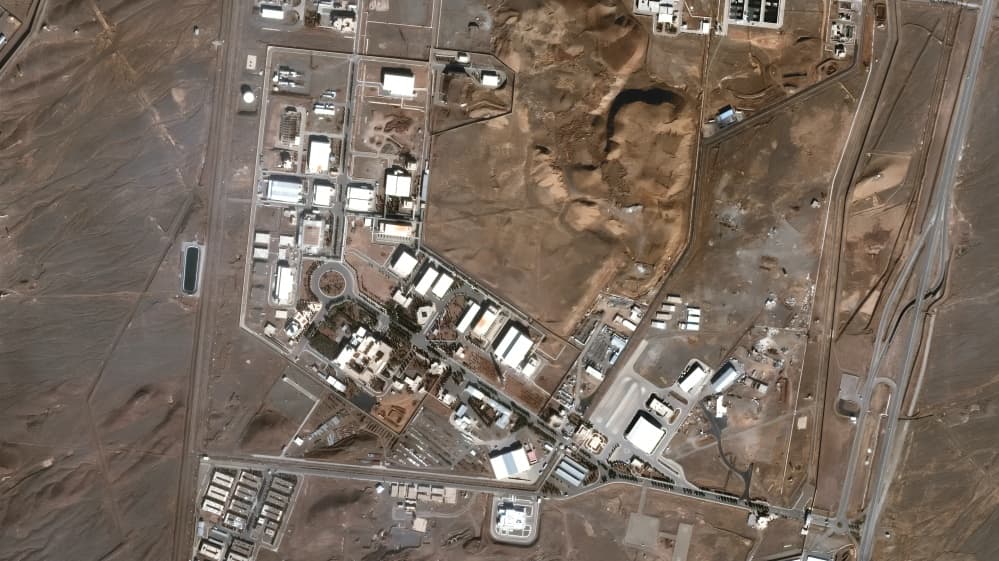
The term nuclear dust has recently come into focus amid ongoing discussions about Iran’s nuclear program and global security concerns. The phrase was highlighted following remarks by Donald Trump, who referred to Iran being prepared to deliver what he described as nuclear dust. The statement has prompted renewed interest in understanding the meaning and implications of the term.
In technical terms, nuclear dust is not a formal scientific classification but is often used informally to describe fine particles or residues associated with nuclear materials. In the context of current discussions, it is understood to refer to highly enriched uranium or remnants of nuclear material that may remain after processing, storage, or potential damage to nuclear facilities.
Iran’s nuclear program has been a subject of international attention for many years, involving monitoring and negotiations led by global organizations such as the International Atomic Energy Agency. The agency is responsible for ensuring that nuclear materials are used for peaceful purposes and for verifying compliance with international agreements.
Concerns about nuclear material arise from the potential risks associated with its misuse. Highly enriched uranium, if not properly accounted for and secured, can pose significant security challenges. As a result, strict protocols are in place globally to track, store, and manage such materials.
The mention of nuclear dust in the current context has also been linked to reports of past military actions targeting nuclear related sites. In situations where facilities are damaged, there is a possibility that nuclear materials could become dispersed or difficult to monitor. This increases the importance of verification and inspection by international authorities.
Experts note that the use of terms like nuclear dust in political statements can sometimes lead to confusion, as they may not reflect precise technical definitions. However, such references often draw attention to underlying issues related to nuclear safety, transparency, and international cooperation.
The broader geopolitical context also plays a role in shaping these discussions. Relations between Iran and Western countries, particularly the United States, have been marked by periods of tension and negotiation. Nuclear related concerns remain a central aspect of these interactions, influencing diplomatic efforts and policy decisions.
From a scientific perspective, managing nuclear materials requires careful handling and adherence to established safety standards. This includes secure storage, regular inspections, and accurate reporting. International frameworks are designed to minimize risks and promote peaceful use of nuclear technology.
The current focus on nuclear dust underscores the importance of clear communication and accurate information in discussions about nuclear issues. Misinterpretation or lack of clarity can lead to unnecessary concern or misunderstanding among the public.
As global attention remains on developments related to Iran’s nuclear program, experts emphasize the need for continued dialogue and cooperation among nations. Ensuring transparency and compliance with international regulations is seen as essential for maintaining stability and preventing escalation.
The discussion around nuclear dust highlights both the technical and political dimensions of nuclear security. While the term itself may be informal, the issues it points to are significant and require careful consideration by policymakers and international organizations.