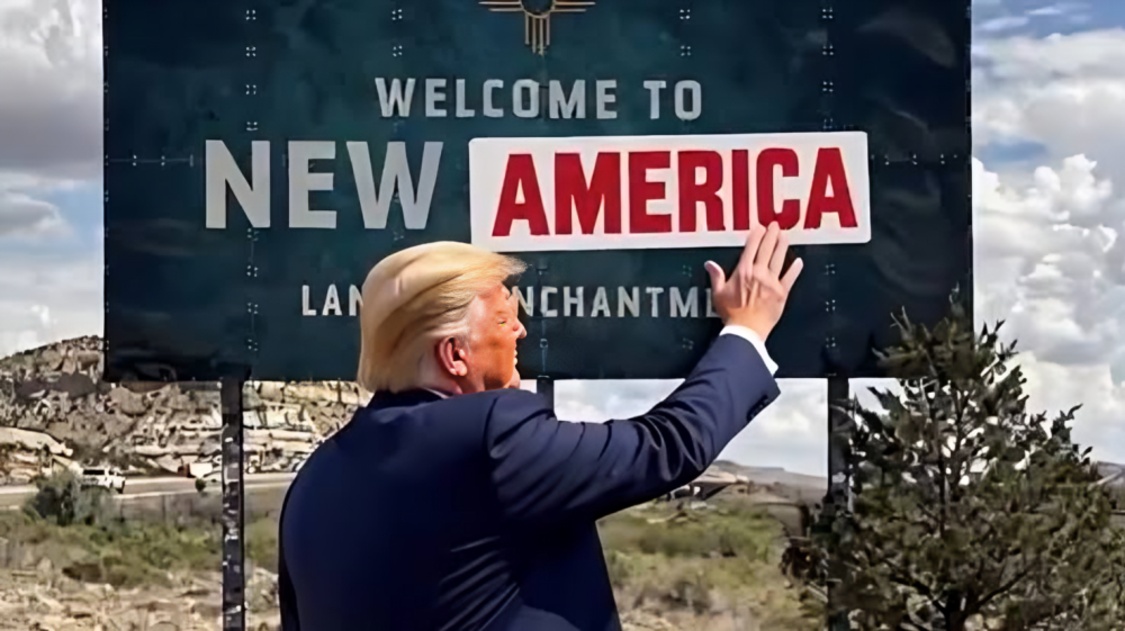
Trump Renews Call to Rename New Mexico ‘New America’, Claims It Could Boost Property Values
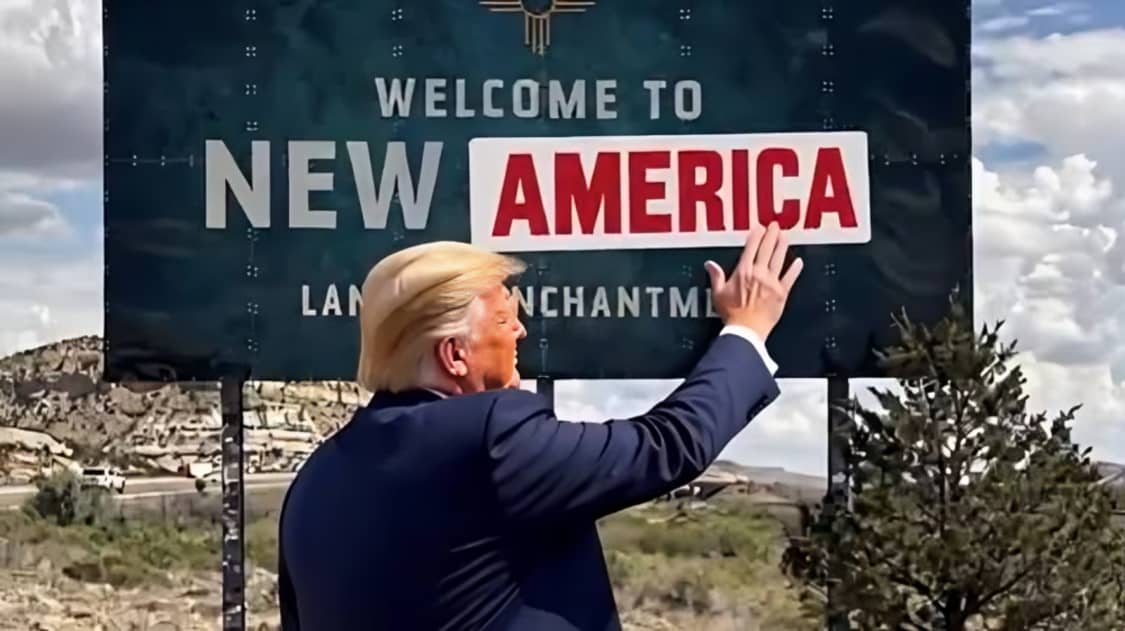
Washington, October 20, 2026: US President Donald Trump has renewed his proposal to rename the southwestern state of New Mexico as “New America”, arguing that the change would enhance the state’s prestige, increase property values and raise residents’ incomes. The proposal, made in a social media post, has reignited debate over the state’s history, identity and the limits of presidential authority.
In a post on his Truth Social platform on October 19, Trump urged New Mexico to change its name immediately. He argued that the current name suggested a connection to Mexico rather than the United States and claimed that adopting “New America” would bring greater recognition and economic benefits to the state.
Trump also repeated allegations of election irregularities in New Mexico. However, those claims were not supported by evidence in his post, and they should not be treated as established facts.
The proposal is the latest in a series of naming initiatives promoted by Trump during his second presidential term. His administration has previously pursued changes to the names used by US federal agencies for geographical features, including the Gulf of Mexico and Lake Ontario.
Why does Trump want to rename New Mexico?
Trump has presented the proposed name change as a way to strengthen the state’s American identity and improve its public image. He has suggested that the name “New America” would bring prestige and potentially increase property values and incomes.
However, he has not provided evidence showing that changing the state’s name would produce those economic benefits. Property prices and household incomes are influenced by a range of factors, including employment opportunities, housing supply, investment, wages and broader economic conditions.
New Mexico is located in the southwestern United States and shares an international border with Mexico. Its name reflects its historical and cultural connections to the region, including Spanish colonial history and longstanding links between communities on both sides of the present-day border.
The state has a distinct cultural identity shaped by Indigenous peoples, Spanish-speaking communities, Mexican heritage and later settlement within the United States. Critics of the proposed renaming have argued that the existing name is an important part of that history and should not be changed through a political campaign.
Can the US president change a state’s name?
The US president cannot unilaterally rename a state through an executive order. New Mexico’s name is established in its state constitution, meaning that a formal legal process would be necessary to change it.
A social media post or presidential statement does not alter the state’s legal name. Any change would require action through the appropriate state constitutional and legislative procedures, as well as consideration of the relevant federal legal requirements.
New Mexico became the 47th state of the United States on January 6, 1912. Its constitutional name has remained unchanged since statehood.
The distinction between a state and a geographical feature is important. The federal government can direct the names used by federal agencies for certain geographical features under its authority. Changing the constitutional name of an individual state is a different and more complex matter.
No official change to New Mexico’s name has been announced, and the state continues to be known as New Mexico.
How have New Mexico leaders responded?
The proposal has faced opposition from political leaders in New Mexico. Governor Michelle Lujan Grisham previously rejected the idea, arguing that the state’s name was not open to debate and had historical roots extending back before the creation of the modern United States.
Other Democratic officials have also defended the existing name, pointing to the state’s cultural heritage and the importance of local identity.
The proposal has also drawn reactions from Republican political figures. Greg Cunningham, a Republican candidate seeking a seat in the US House of Representatives, reportedly said that a name change was not legislatively possible.
These responses indicate that Trump’s proposal has not developed into an established state-level policy initiative. The legal and political obstacles remain substantial, and there has been no confirmed decision by New Mexico authorities to begin a formal renaming process.
Election fraud allegations remain unsubstantiated
Trump’s latest comments also included allegations about election fraud in New Mexico. He suggested that a name change could somehow help make elections more honest.
However, his social media statement did not provide evidence linking the state’s name to election integrity or demonstrating that widespread fraud had occurred. Allegations of electoral misconduct require specific evidence and examination through established legal and election-administration procedures.
The proposed renaming and the election-related claims are separate issues. A change to a state’s name would not, by itself, alter election laws, voting procedures or the institutions responsible for administering elections.
Part of a broader naming campaign
Trump’s proposal follows earlier efforts to promote alternative names for prominent geographical features. In 2025, he directed US federal agencies to use “Gulf of America” instead of “Gulf of Mexico” for federal purposes. In August 2026, he also signed an executive order directing federal agencies to use “Lake America” instead of Lake Ontario.
Such actions have generated political debate, particularly where geographical features are shared with neighbouring countries or have internationally recognised names.
The proposed renaming of New Mexico differs from those measures because it concerns a state whose name is established in its constitution. It cannot be accomplished solely through a presidential directive.
What happens next?
For now, New Mexico remains New Mexico. Trump’s latest statement renews the political debate but does not establish a legal process or change the state’s official name.
Any future attempt to rename the state would require formal action and would likely face further political and legal scrutiny. State officials have shown little support for the proposal, while no evidence has been presented to establish that the suggested name change would improve incomes or property values.
The issue is therefore likely to remain a political controversy rather than an imminent change to the state’s identity. The outcome would depend on whether a formal proposal emerges through the relevant legal process and gains sufficient support within New Mexico.