US Congressman Raja Krishnamoorthi Raises Alarm Over Anti-Indian and Anti-Hindu Hate on Social Media
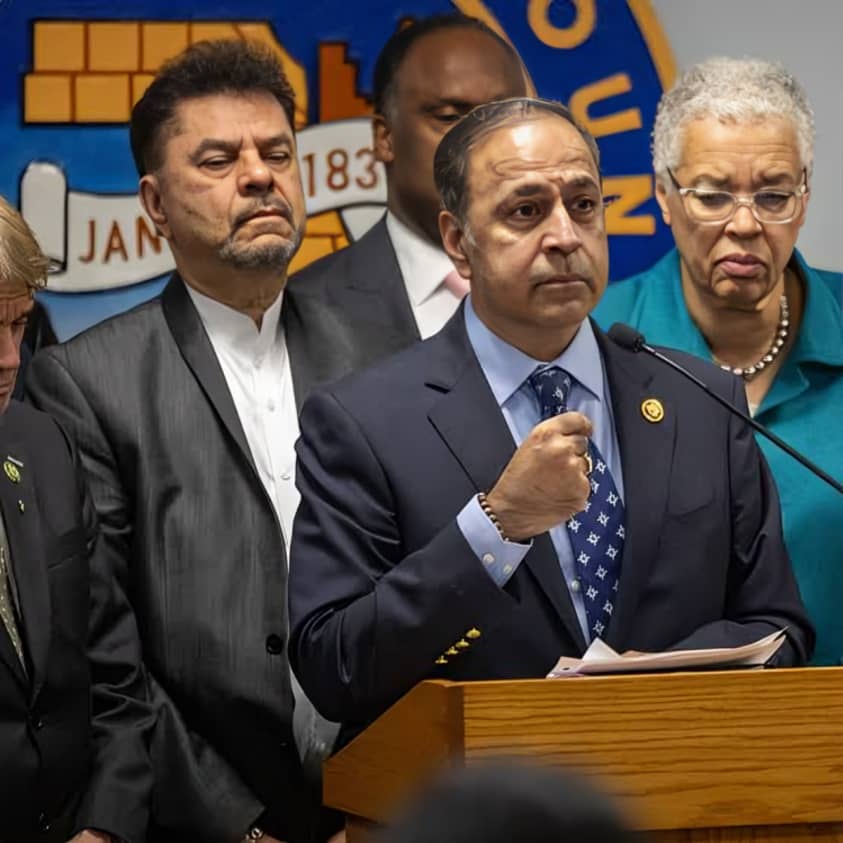
WASHINGTON: US Congressman Raja Krishnamoorthi has raised concerns over what he describes as a growing wave of anti-Indian, anti-South Asian and anti-Hindu hate on social media platforms. The Illinois Democrat has accused major technology companies of benefiting from online hostility and called on the US Congress to take stronger action to hold them accountable.
In a post on X on Wednesday, October 21, Krishnamoorthi said online hate targeting Indian and South Asian communities was increasing. He argued that technology companies had insufficient incentives to prevent the spread of hateful content and urged lawmakers to examine the responsibilities of major digital platforms.
His remarks have renewed attention to online discrimination, the role of social media companies in moderating harmful content and concerns about the safety of minority communities in the United States.
Krishnamoorthi Calls for Technology Companies to Be Held Accountable
Krishnamoorthi criticised the business practices of major technology companies, arguing that online hostility can generate engagement while creating risks for communities targeted by hateful messages.
He called on Congress to hold technology companies accountable for their handling of such content. His comments reflect a broader debate in the United States over whether social media platforms are doing enough to identify and limit discriminatory material, threats and content that could contribute to violence.
Technology companies use a range of systems to moderate content, including automated detection, user reporting and human review. However, critics argue that harmful posts can remain online or spread widely before platforms respond. They have called for clearer moderation standards, greater transparency and more effective mechanisms for reporting abuse.
At the same time, discussions about platform accountability involve complex legal questions, including freedom of expression, privacy and the responsibilities of companies that host content created by users.
Krishnamoorthi's statement adds to pressure on US lawmakers to examine how existing laws and regulations address online hate and the responsibilities of major technology companies.
Report Highlights Increase in Anti-South Asian Online Hate
His comments come amid wider concerns about online hostility targeting South Asian communities in the United States.
A report published in September 2026 by the Center for the Study of Organized Hate documented a substantial increase in anti-South Asian hateful content on X. According to findings cited by Krishnamoorthi's office, researchers identified more than 542,000 posts expressing anti-South Asian hate between January 2025 and June 2026.
The report also found that the monthly volume of such posts increased by approximately 240 per cent between January 2024 and June 2026. The findings point to concerns about the scale of discriminatory rhetoric circulating online.
Anti-South Asian hostility can target people of Indian, Pakistani, Bangladeshi and other regional backgrounds. Anti-Hindu hate specifically targets people because of their Hindu identity, while anti-Indian hostility can involve nationality, ancestry or perceived ethnic background. Although these categories can overlap, they are not identical.
Researchers and community organisations have warned that online abuse can contribute to an environment in which racial and religious stereotypes become normalised. However, online hate statistics alone do not establish that every hateful post leads to violence or that all platforms have the same levels of harmful content.
Concerns About Online Hate and Real-World Safety
The issue has received renewed attention following an alleged attempted shooting targeting a Hindu temple in Aurora, Illinois, on October 11. Authorities arrested a 19-year-old suspect, and prosecutors have alleged that he had white supremacist views and intended to carry out an attack.
Krishnamoorthi and other members of Congress have called for a thorough investigation into the incident and have urged federal authorities to examine whether it should be treated as a potential hate crime.
The congressman has also warned that online hostility can create risks beyond digital spaces. His concerns focus on the possibility that repeated exposure to dehumanising rhetoric and threats may contribute to a wider climate of hostility against minority communities.
Law enforcement agencies must distinguish between offensive or discriminatory expression protected by law and credible threats or conduct that may constitute a criminal offence. This distinction is important in efforts to protect communities while respecting constitutional rights.
Debate Over Social Media Regulation
Krishnamoorthi's remarks form part of a wider US debate about how digital platforms should respond to hate speech and harmful content.
Supporters of stronger oversight argue that technology companies should be more transparent about their moderation systems and provide clearer information about how reports of hate and threats are handled. They also call for more effective action against accounts that repeatedly publish abusive or threatening material.
Technology companies, meanwhile, operate under different legal and policy requirements, and their moderation approaches vary. Any proposed changes to US law would need to address questions involving platform liability, freedom of expression and the practical challenges of enforcing rules across large online services.
Krishnamoorthi has urged Congress to take a more active role in addressing the problem. Whether this results in new legislation, hearings or other formal action will depend on decisions by lawmakers and relevant congressional committees.
What Happens Next?
The growing discussion around anti-Indian and anti-Hindu hate online is likely to remain part of wider debates over digital safety, discrimination and the accountability of technology companies.
Krishnamoorthi's latest comments highlight the concerns of lawmakers who believe social media platforms must do more to prevent hateful content from spreading. The September report on anti-South Asian online hostility and recent concerns about threats against minority communities have added urgency to calls for closer scrutiny.
Further developments will depend on whether Congress initiates formal action, whether technology companies announce additional measures and how law enforcement agencies respond to credible threats.
For Indian Americans and other South Asian communities, the issue remains closely linked to questions of safety, equal treatment and the ability to participate in public life without facing discrimination. Krishnamoorthi's statement has brought these concerns back into focus and renewed calls for a stronger response to online hate.