
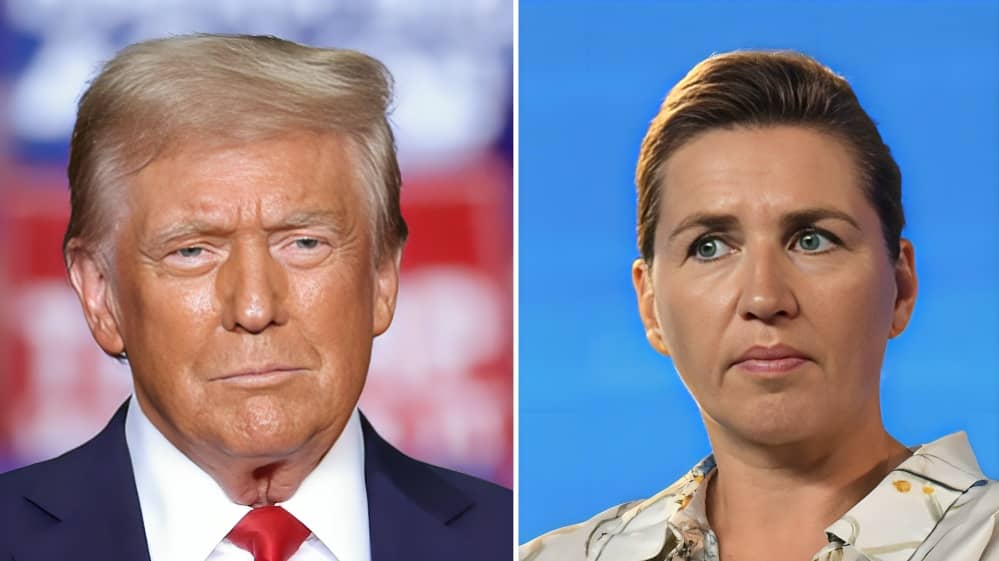
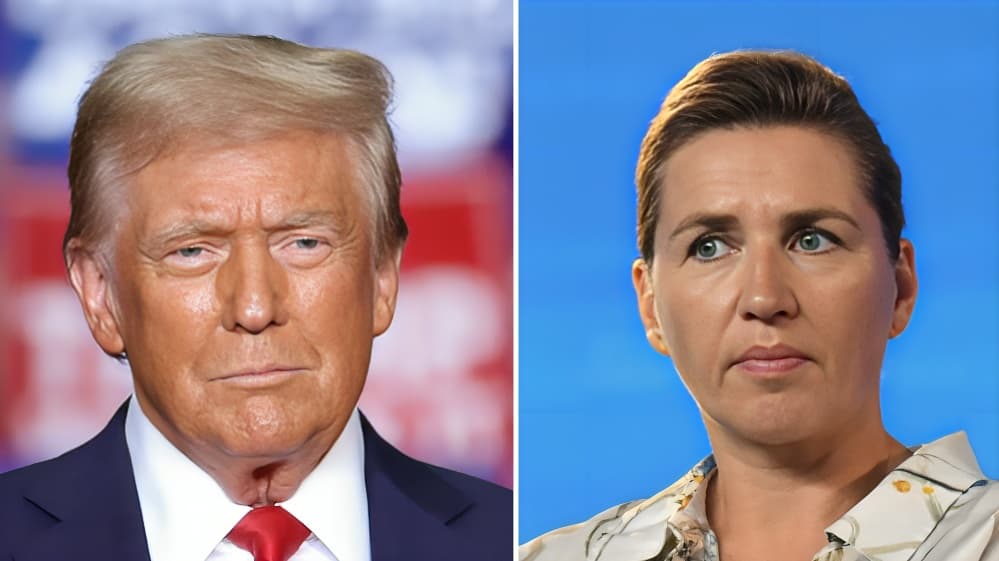
Greenland has once again found itself at the centre of international attention following renewed remarks by former US President Donald Trump suggesting American control over the strategically located Arctic territory. The comments have prompted discussions around Greenland’s security and the role of NATO in ensuring its protection, given its status as an autonomous territory within the Kingdom of Denmark.
Greenland is not a sovereign nation but enjoys significant self-governance under Danish oversight. Denmark, as a founding member of NATO, extends the alliance’s collective defence coverage to Greenland. This means that any threat to Greenland would, in theory, fall under NATO’s Article 5, which treats an attack on one member as an attack on all.
Trump had previously sparked controversy during his presidency by expressing interest in purchasing Greenland, citing its strategic value and natural resources. While the idea was dismissed by Danish and Greenlandic authorities at the time, recent rhetoric has revived concerns about external pressure on the territory. Political observers stress that there is no evidence of an imminent military threat, but the comments have underscored Greenland’s growing geopolitical importance.
Greenland occupies a critical position in the Arctic, a region that has gained strategic significance due to climate change, emerging shipping routes, and access to rare earth minerals. The United States already maintains a military presence at Thule Air Base, now known as Pituffik Space Base, which plays a key role in missile warning and space surveillance. This long-standing cooperation exists within established defence agreements between the US and Denmark.
NATO officials have not issued any specific response to Trump’s remarks, but analysts note that the alliance has increased its focus on the Arctic in recent years. Russia’s military activity in the region and China’s growing interest in Arctic trade routes have prompted NATO members to strengthen coordination and surveillance in northern territories. Greenland’s security is increasingly viewed through this broader strategic lens.
Greenlandic leaders have reiterated that decisions about the island’s future rest with its people. Public opinion in Greenland has consistently rejected any notion of foreign takeover, while also emphasising the importance of international cooperation for economic development and security. Denmark has similarly reaffirmed its commitment to protecting Greenland’s sovereignty.
Experts say that while Trump’s statements may not translate into policy action, they highlight the need for clear diplomatic communication and respect for international law. NATO’s framework, combined with Denmark’s sovereignty, is seen as a strong deterrent against any unilateral action.
In conclusion, Greenland’s reliance on NATO through Denmark remains a cornerstone of its security. While political rhetoric has raised questions, the existing defence architecture and international norms continue to safeguard the island’s autonomy and stability in an increasingly competitive Arctic region.


