
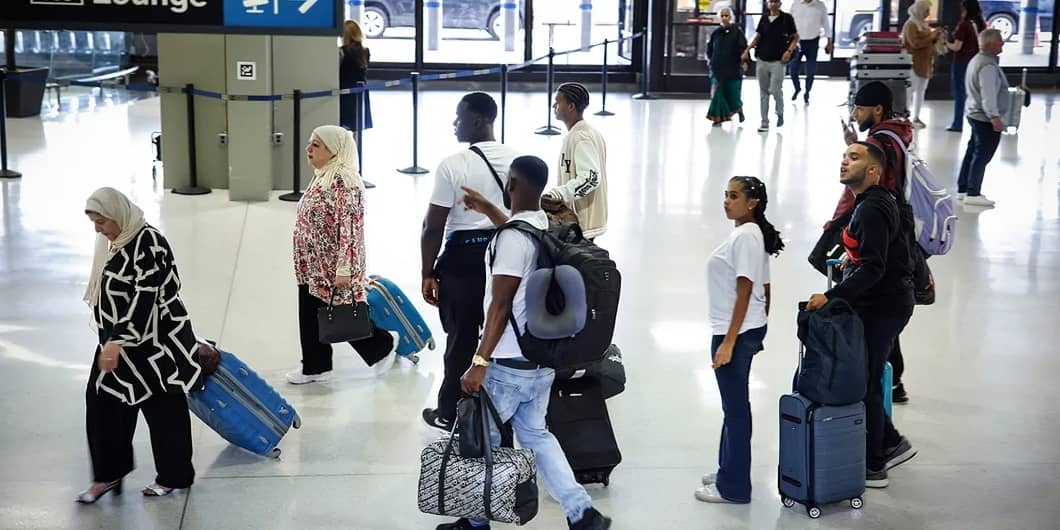
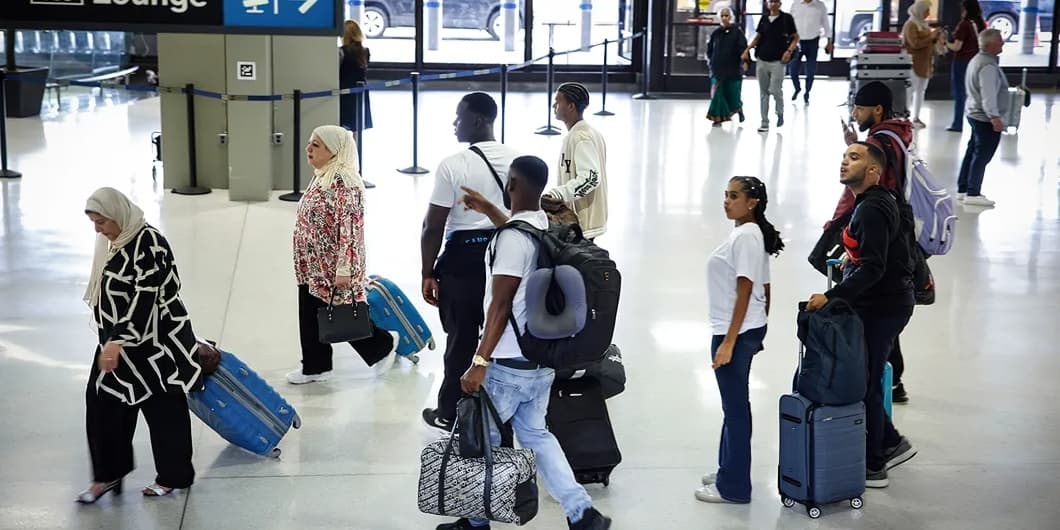
A confirmed case of measles at Newark Liberty International Airport has led US health agencies to issue public warnings, highlighting concerns over the spread of one of the most contagious viral diseases. The announcement has prompted health officials to take precautionary measures, including contact tracing and public advisories for travelers who may have been exposed.
According to health authorities, the infected individual passed through Newark Airport during a specific time period, potentially exposing other passengers and airport staff. Measles spreads through respiratory droplets and can remain airborne for hours in enclosed spaces, making airports particularly vulnerable locations for transmission. Officials have emphasized the importance of identifying individuals who may have been in close contact with the case.
Public health agencies have advised travelers who were at the airport during the exposure window to remain vigilant for symptoms such as fever, cough, runny nose, red eyes, and rash. People who are unvaccinated or have not completed the recommended measles immunization schedule are considered at higher risk. Authorities have urged such individuals to consult healthcare providers if symptoms develop.
The incident has renewed focus on vaccination efforts in the United States, where sporadic measles cases continue to be reported. Health officials stress that measles can be prevented through vaccination and that high immunization coverage is critical to limiting outbreaks. They have also reiterated that vaccinated individuals are generally well protected against severe illness.
In response to the confirmed case, airport authorities and public health departments are coordinating efforts to inform potentially affected travelers. Measures include issuing alerts, sharing exposure timelines, and providing guidance on monitoring health conditions. These steps are aimed at preventing secondary transmission and ensuring early medical intervention where needed.
Experts note that global travel has increased the likelihood of infectious diseases crossing borders. As international movement continues to rise, health agencies worldwide remain alert to the risks posed by highly contagious illnesses. Airports and other transit hubs are seen as key points where preventive measures and timely communication are essential.
The situation at Newark Airport serves as a reminder of the importance of public health preparedness and vaccination awareness. Health agencies continue to monitor the situation closely and have urged the public to rely on official information and follow recommended health advisories. At present, authorities are focused on containment and ensuring that the risk to the broader public remains limited.


