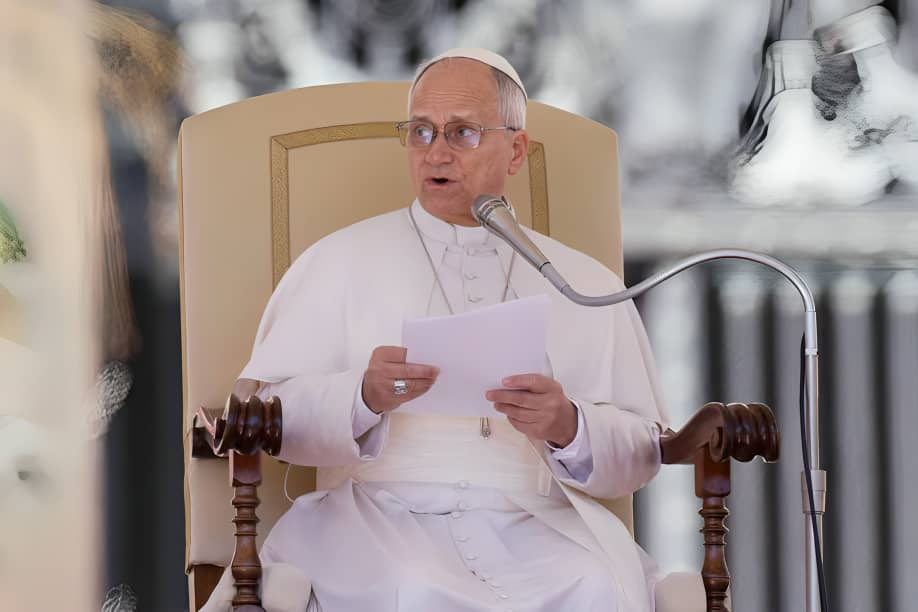
Pope Leo has reaffirmed his stance against war, emphasising the importance of peace and dialogue in resolving international conflicts. His comments come amid ongoing tensions related to the Iran situation and reflect a difference in perspective with Donald Trump.
In his remarks, the Pope underscored the need for peaceful solutions and diplomatic engagement. He stated that promoting peace remains a core principle and that he would continue to advocate for dialogue over confrontation. His position highlights the moral and ethical considerations that often accompany global political decisions.
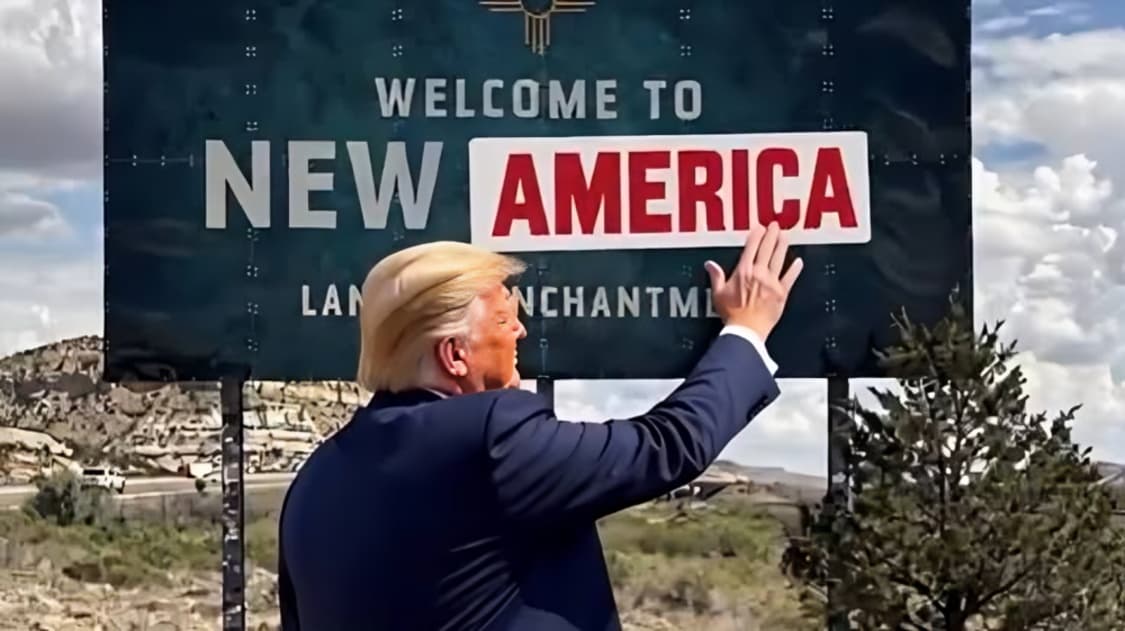
The comments have drawn attention due to the contrast with statements and policies associated with Donald Trump, who has taken a more assertive approach in addressing international security issues. The difference in viewpoints illustrates the broader debate between diplomatic engagement and strategic pressure in handling conflicts.
Observers note that religious leaders often play a significant role in shaping public discourse on issues such as war and peace. By emphasising humanitarian concerns, they bring attention to the potential impact of conflicts on civilians and societies. The Pope’s remarks are seen as part of this broader effort to encourage non violent solutions.
The Iran conflict has been a focal point of international attention, with various countries expressing differing views on how it should be addressed. While some advocate for strong measures to address security concerns, others stress the importance of negotiation and cooperation. The Pope’s stance aligns with the latter approach.
Experts believe that such perspectives can contribute to global discussions by highlighting the need for balanced and thoughtful decision making. While governments focus on national interests and security considerations, voices calling for peace and restraint add another dimension to the conversation.
The exchange of views between influential figures also reflects the complexity of modern geopolitics. Different leaders and institutions often approach issues from varying angles, shaped by their roles, responsibilities, and values. This diversity of perspectives can influence how policies are formulated and implemented.
The Vatican has traditionally advocated for peace and conflict resolution through dialogue. Its positions on international issues are often guided by humanitarian principles and the desire to promote stability. The Pope’s recent remarks are consistent with this long standing approach.
At the same time, the global context remains challenging, with ongoing tensions and uncertainties affecting multiple regions. The ability of world leaders to find common ground and work towards solutions is considered essential for maintaining stability.
Public reactions to the Pope’s comments have been varied, reflecting differing opinions on how international conflicts should be managed. While some support the emphasis on peace, others argue for stronger measures to address security concerns.
Overall, the remarks by Pope Leo highlight the continuing importance of dialogue in addressing global challenges. They also underscore the role of diverse perspectives in shaping discussions on international issues. As the situation evolves, such viewpoints are likely to remain part of the broader conversation on peace and security.