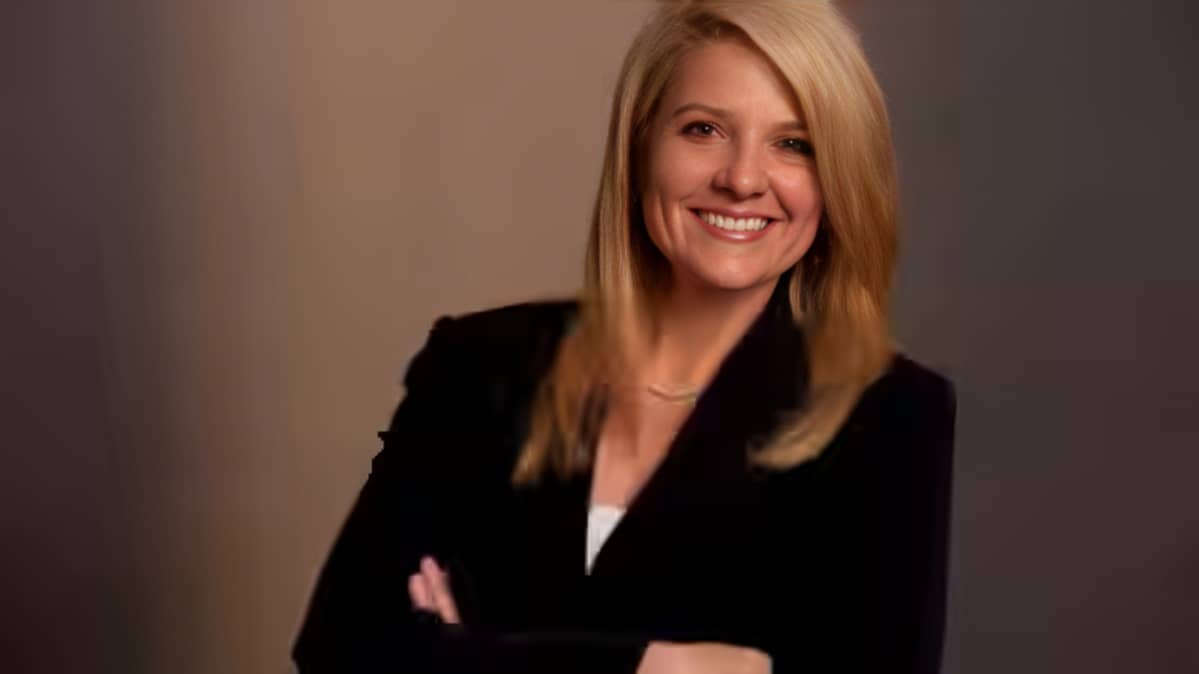
SpaceX President Gwynne Shotwell and her husband, Robert, have announced plans to distribute more than 2 million shares in SpaceX to eligible children in the United States. The proposed contribution is intended to support children's investment accounts under a federal programme introduced during the administration of US President Donald Trump. The first allocation is expected by the end of December 2026.
The announcement was shared by Shotwell on October 30. It outlines eligibility groups that are expected to benefit from the planned distribution, with children from lower-income communities forming an important part of the initiative. According to the announced criteria, children aged 11 to 17 who live in ZIP code areas with a median family income of $57,000 or less are among those intended to receive the investment allocation.
The plan is also expected to cover children in foster care and children from military families stationed overseas. These groups are included alongside the lower-income communities identified in the announcement. The stated aim is to extend the proposed investment support to children who may otherwise have fewer opportunities to benefit from such financial assets.
The contribution involves more than 2 million shares in SpaceX, the private space company led by Elon Musk. Rather than being described as a direct cash payment, the proposed support is based on company shares allocated through children's investment accounts. The value of the shares and the amount that each eligible child may receive have not been specified in the information provided.
The first distributions are expected in December 2026. This means the initiative is planned to begin before the end of the year, although the announcement does not provide a detailed schedule for individual allocations. Further information may be needed to clarify how children will be identified, how eligibility will be verified and how the shares will be assigned to their accounts.
The income-based eligibility condition is linked to the median family income of the ZIP code area where a child lives. Under the announced criteria, children aged between 11 and 17 in areas with a median family income of $57,000 or below are included among the intended beneficiaries. This approach uses the income level of the area as an eligibility measure rather than stating that every individual family must have an income below that figure.
Children in foster care are another group covered by the plan. The announcement also includes children whose parents are members of military families stationed overseas. Their inclusion broadens the intended reach of the contribution beyond children living in lower-income communities within the United States.
The planned distribution is connected to a federal investment-account programme introduced under President Donald Trump. The programme provides the framework through which the proposed shares are expected to reach eligible children. However, the information in the announcement does not specify the full administrative process, the account management arrangements or the conditions that may apply when beneficiaries access their investments.
The contribution is significant in scale because it involves more than 2 million shares in a major private space company. However, the number of shares alone does not establish the total monetary value of the contribution. The value would depend on the applicable valuation of the shares, and the information provided does not state a final amount or explain how the shares will be divided among beneficiaries.
The announcement has also drawn attention to the role of major technology and space industry leaders in initiatives intended to provide financial assets to children. Shotwell's position as SpaceX president places the company at the centre of the proposed contribution. The plan, however, should be understood as a commitment to make a share allocation, rather than as confirmation that every eligible child has already received an investment.
Several details remain important for families and potential beneficiaries. These include the final eligibility verification process, the method used to identify qualifying children, the number of shares allocated to each account and the arrangements for managing those investments. The announcement also does not provide a complete estimate of how many children may receive shares.
For now, the key details are the planned contribution of more than 2 million SpaceX shares, the inclusion of children aged 11 to 17 in qualifying lower-income ZIP code areas, and the extension of eligibility to children in foster care and military families stationed overseas. The first allocations are expected by the end of December 2026.
The initiative will move into its next stage as further details about distribution and account arrangements become available. Until those details are confirmed, the announced eligibility groups and expected timeline provide the main information available about the proposed contribution by Gwynne Shotwell and her husband, Robert.