Trump's Publicity Driven Presidency Faces Political Challenges Amid America's Blue Wave
US President Donald Trump continues to dominate the American political landscape, but growing opposition from Democratic Party supporters has raised questions about the direction of his presidency. The emerging political resistance, described as America's blue wave, has brought renewed attention to the relationship between political communication, government performance and public confidence.
An opinion article by Malika Pandey examines how Trump's political approach, which frequently relies on strong public messaging and media attention, is facing criticism amid changing political sentiments in the United States.
The article argues that dominating the political narrative does not necessarily translate into effective governance. It also questions whether a presidency focused heavily on publicity can maintain public confidence without delivering results that meet citizens' expectations.
America's Blue Wave and Growing Political Opposition
The term blue wave is commonly used in American politics to describe a surge in support for the Democratic Party, whose traditional political colour is blue.
The phrase can refer to increased Democratic electoral support, victories in elections or broader political mobilisation against Republican leadership.
In the context of the current debate, the blue wave represents growing opposition to Trump's political agenda and governing approach.
Democratic supporters and opposition groups have continued to challenge Republican policies on several issues, including economic priorities, government administration and national political direction.
The strength of such opposition can influence political debates, electoral strategies and the administration's ability to advance its policy priorities.
However, the political significance of a blue wave depends on measurable developments such as election results, voter participation and changes in public opinion.
Trump's Political Communication Strategy
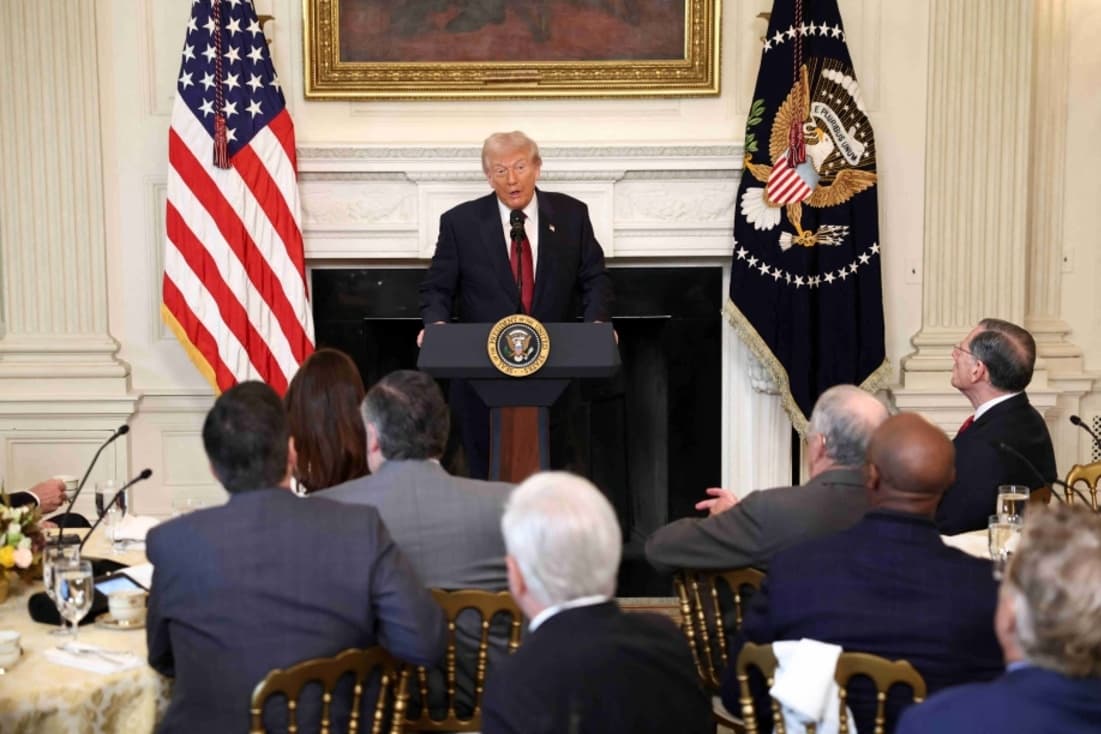
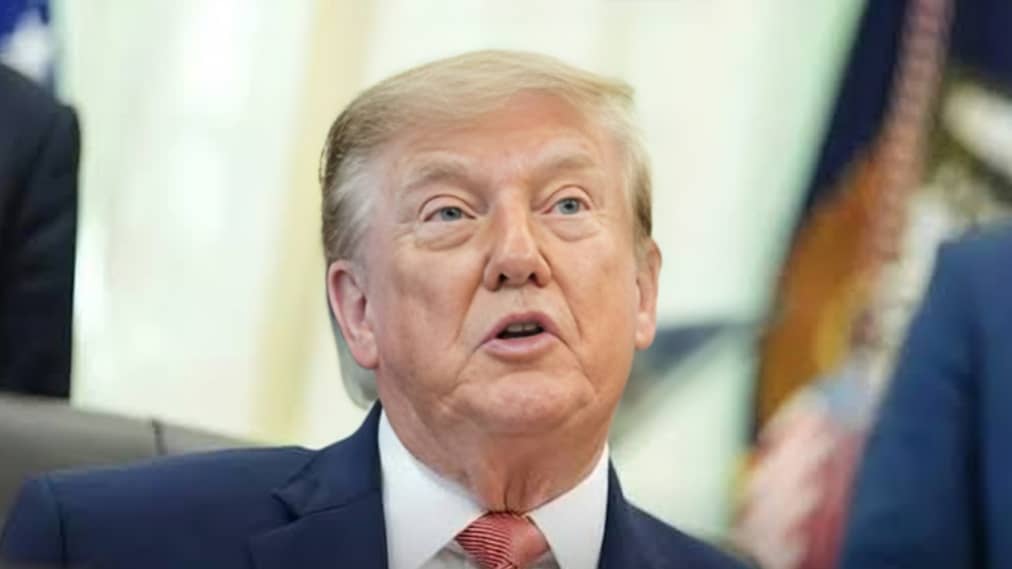
Donald Trump has built much of his political identity around direct communication, public appearances and strong media engagement.
His communication style has frequently attracted national and international attention. Supporters have viewed his approach as an effort to challenge established political practices and communicate directly with voters.
Critics, however, have questioned whether the emphasis on publicity and political messaging adequately addresses the practical challenges involved in governing the country.
Malika Pandey's opinion article focuses on this distinction between political visibility and administrative performance.
The argument is that attracting media attention and controlling political discussions do not necessarily demonstrate the effectiveness of government policies.
A presidency must also be assessed through its decisions, implementation of programmes and impact on citizens.
Publicity and Government Performance
The distinction between political communication and governance has become an important part of discussions surrounding the Trump administration.
Political leaders regularly use public messaging to explain their policies, respond to criticism and maintain support among voters.
However, government performance involves a broader range of responsibilities, including economic management, public services, foreign policy and institutional administration.
The opinion article suggests that political publicity cannot replace measurable outcomes.
It also raises questions about the relationship between political authority and public legitimacy.
Legitimacy involves more than holding executive office. It is also connected to constitutional processes, institutional accountability and public acceptance of political decisions.
These questions are particularly significant in a politically divided country such as the United States.
Challenges Facing the Republican Party
The growing political resistance associated with the blue wave could create challenges for the Republican Party.
Strong opposition can influence legislative discussions, political campaigns and the party's ability to maintain support among different voter groups.
The Democratic Party may seek to use growing public dissatisfaction with particular policies to strengthen its political position.
At the same time, Republican leaders continue to defend their political priorities and administration's approach.
The extent to which opposition movements translate into electoral gains will depend on voter behaviour, candidate performance, economic conditions and developments surrounding major policy issues.
Therefore, political momentum should be distinguished from confirmed electoral outcomes.
Political Legitimacy and Democratic Institutions
Another important theme in the article is the relationship between political power and legitimacy.
In a democratic system, political authority operates within constitutional and institutional limits.
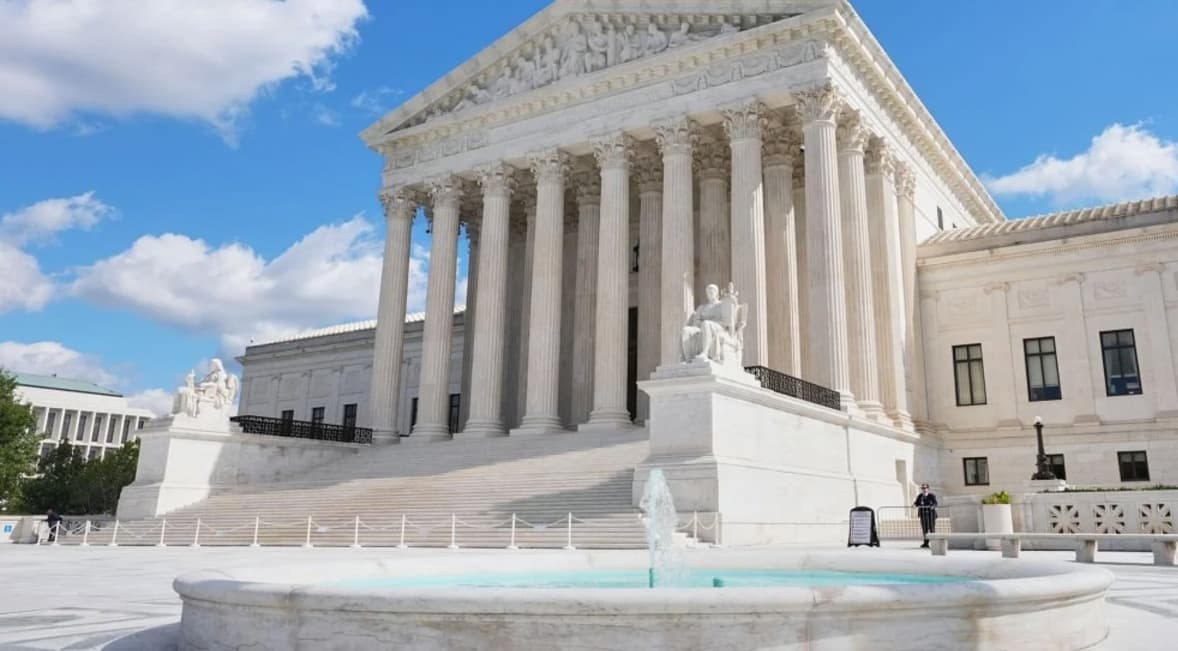
Elections provide a mechanism for voters to select their representatives, while courts, legislatures and other institutions perform important accountability functions.
The debate surrounding Trump's presidency has brought these principles into wider public discussion.
Criticism of political decisions, public protests and electoral competition are part of the democratic process.
The strength of democratic institutions depends on their ability to operate independently and maintain public trust.
What Lies Ahead for American Politics?
The growing opposition to Trump highlights the continuing political divisions in the United States.
While Trump remains a central figure in national political discussions, the increasing visibility of Democratic opposition has created additional challenges for his administration.
Malika Pandey's article argues that political dominance and publicity should not be confused with effective governance or public legitimacy.
The broader debate is likely to remain focused on government performance, institutional accountability and the political choices facing American voters.
Ultimately, the impact of the blue wave will depend on how opposition movements develop and whether they translate into measurable political changes through democratic institutions and elections.