
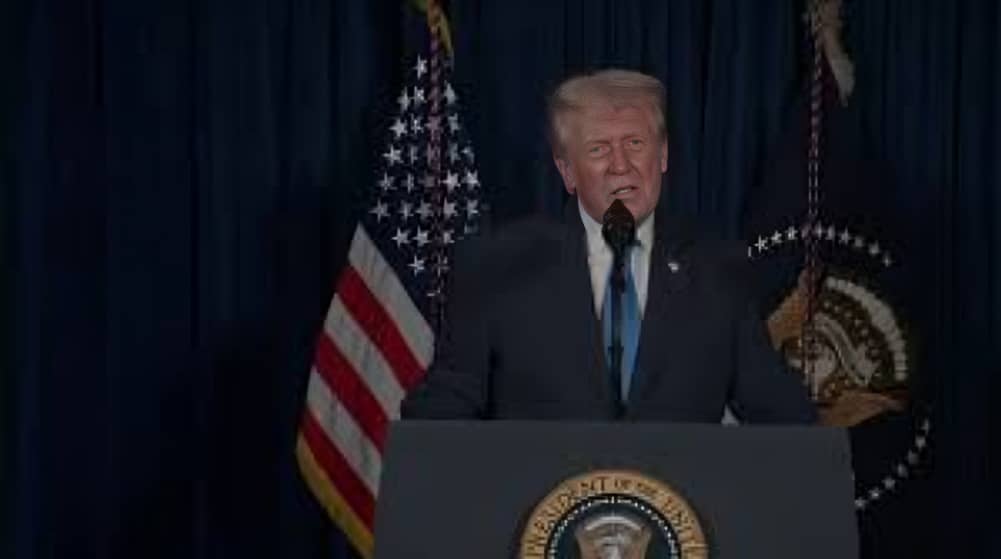
Former US President Donald Trump has sharply commented on a recent terror-related incident near Washington, describing the suspect as a “suspect from hellhole Afghanistan.” The incident, categorized by authorities as an “act of terror,” triggered an immediate response from law enforcement agencies, with security protocols heightened in the affected areas. While initial reports suggest that no large-scale casualties occurred, the attack has raised concerns over security preparedness and the vetting of individuals entering the country.
The suspect’s background, including ties to Afghanistan, has become a focal point in the media and political discourse. Trump’s remarks have sparked debate over immigration policies, national security measures, and the broader implications for counterterrorism strategies. Critics argue that such statements may inflame tensions, while supporters view them as emphasizing the need for stricter security protocols.
Authorities are conducting a detailed investigation to understand the motives, affiliations, and methods of the suspect. Law enforcement officials have urged the public to remain alert and report any suspicious activity. Emergency response units, including the FBI and local police, have collaborated to secure the area, gather evidence, and prevent further threats. The investigation also includes examining possible links to extremist networks and evaluating potential security gaps that allowed the incident to occur.
Experts highlight that while isolated terror incidents may appear alarming, robust intelligence, preventive measures, and swift law enforcement response play a critical role in minimizing casualties and disruption. The Washington incident underscores the challenges faced by authorities in addressing lone-wolf attacks and ensuring public safety in highly populated areas.
Political leaders, including former presidents and current officials, have used the incident to underscore the importance of reviewing counterterrorism policies, border security measures, and international cooperation. Discussions are ongoing regarding how best to balance civil liberties with effective security measures, especially in the context of foreign-born suspects involved in violent acts.
Trump’s public statements on the matter reflect his ongoing focus on national security and immigration policies, key issues in his political narrative. Analysts note that remarks such as these can influence public perception, media coverage, and policy debates, making it imperative to present verified facts alongside commentary to avoid misinformation or heightened public fear.
In conclusion, the terror-related incident near Washington has highlighted the complexities of national security, law enforcement response, and political discourse in the United States. Trump’s characterization of the suspect has drawn both support and criticism, illustrating the sensitive nature of public commentary on terrorism. As investigations continue, authorities are focusing on ensuring safety, preventing further incidents, and understanding the underlying motivations behind the attack. The episode serves as a reminder of the ongoing challenges in counterterrorism and the need for vigilance, preparedness, and coordinated response strategies.


