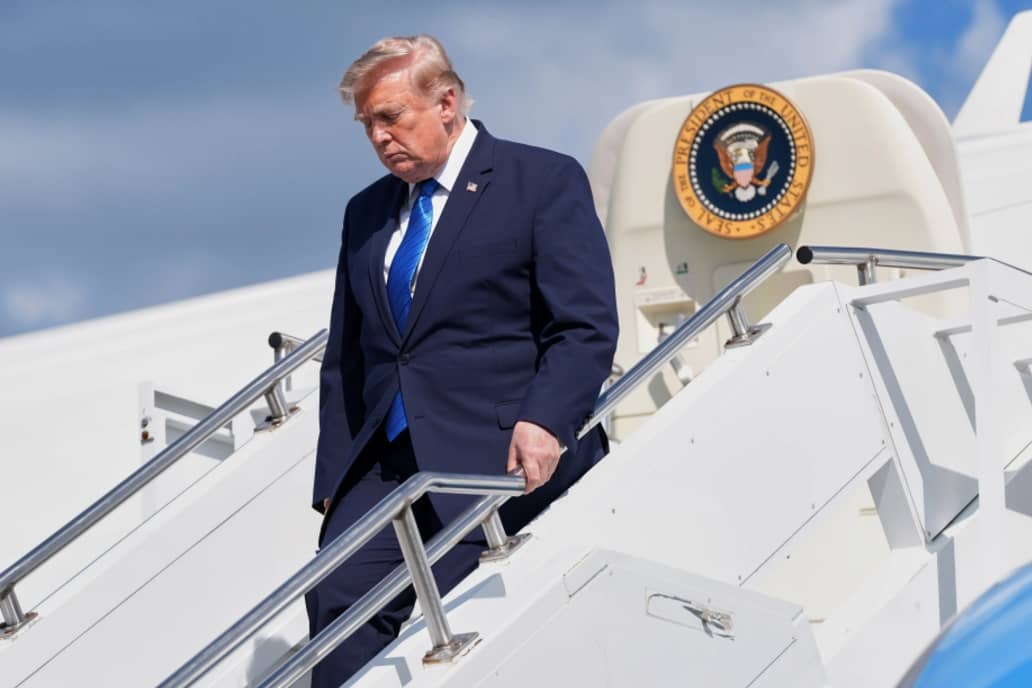
The United States is preparing for the possibility of renewed military operations against Iran as President Donald Trump weighs whether to authorize further action before the US midterm elections on November 3.
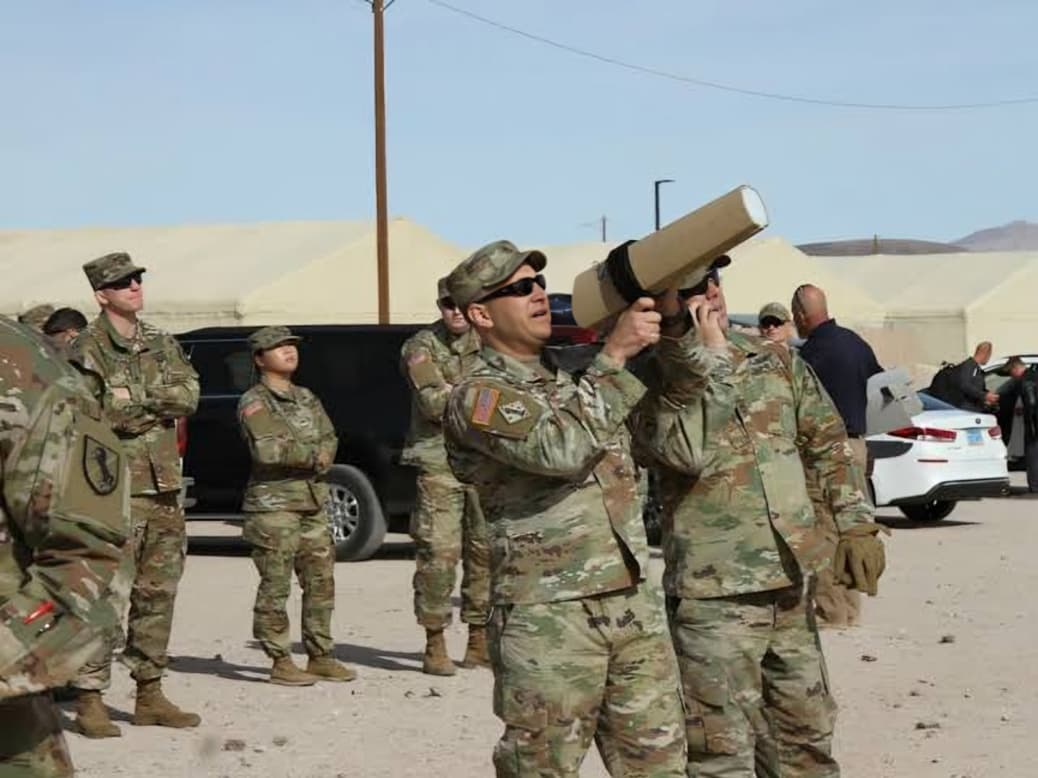
According to US officials cited by Axios, the Pentagon has instructed US Central Command to complete preparations for a possible resumption of major combat operations against Iran. However, the directive does not establish a specific date for military action, and Trump has not made a final decision on whether to order new strikes.
The latest developments come after several weeks of relative calm following months of intermittent fighting between the United States and Iran. The pause has coincided with the final stages of the US midterm election campaign, creating political and strategic uncertainty for the Trump administration.
Reports indicate that the White House has asked the Pentagon to develop a range of military options involving Iranian targets. The scale, objectives and timing of any possible operation remain under discussion. US and Israeli officials cited in recent reports said renewed military action could potentially take place before the American election and possibly before elections in Israel.
The possibility of renewed strikes has emerged while diplomatic efforts between Washington and Tehran remain stalled. Axios reported in late September that Qatari mediation efforts had made limited progress, with neither side willing to make significant concessions. The lack of progress has increased concerns that military escalation could return.
The Trump administration has several objectives in considering its options. Officials have indicated that the president wants to demonstrate progress in the conflict and reduce pressure caused by high energy prices. The war and disruptions connected to the wider regional conflict have contributed to concerns about fuel costs and economic conditions.
Some supporters of renewed military action believe a limited operation could allow Trump to present the United States as having regained the initiative. They argue that a demonstration of military strength could create political momentum for Republican candidates ahead of the midterm elections.
However, even supporters of limited strikes acknowledge that military action may not immediately resolve the broader problems facing the United States. A short operation would not necessarily bring Iran back to negotiations, restore normal shipping conditions through the Strait of Hormuz or quickly reduce fuel prices.
The Strait of Hormuz remains one of the most important factors in the confrontation. The waterway is critical to global energy supplies, and continued tensions around it have created concerns about oil prices and international shipping. Iran has said that the strait will remain closed until certain conditions are met, while US officials have continued to emphasize their military position in the region.
Any renewed US military campaign would also carry significant risks. US forces stationed across the Middle East could face retaliation from Iran or groups aligned with Tehran. Regional allies could also become targets, while a broader escalation could affect shipping, energy markets and international trade.
A Reuters report published on October 1 said Iran was preparing for a stronger response if the United States resumed large scale attacks. The report said Iranian planning could involve responses against US interests, allied countries and potentially locations outside the Middle East. These preparations highlight the possibility that renewed strikes could trigger a wider regional confrontation.
Another important issue is Iran's nuclear programme. The United States continues to demand major restrictions on Iran's uranium enrichment capabilities. Reuters reported that Iran's enrichment facilities were heavily damaged during earlier US and Israeli attacks, but questions remain over the amount of enriched uranium that survived and the future status of Iran's nuclear infrastructure.
Trump has previously indicated that he expects a possible agreement with Iran after the midterm elections. In September, he said he believed the United States and Iran could reach a deal after the November 3 vote. That position highlights the uncertainty surrounding the administration's current strategy, particularly as military preparations and diplomatic efforts continue simultaneously.
The political implications are also significant for Republicans. Several Republican candidates competing in closely contested congressional races have attempted to distance themselves from Trump on selected issues. A Reuters review published October 7 found that many candidates in competitive races were taking positions that differed from the president on specific policy questions, including Iran.
This political environment means that any decision to restart military operations could have consequences beyond the battlefield. A limited strike might be presented by supporters as a demonstration of strength, but a larger conflict could increase fuel prices, threaten US personnel and create further pressure on Republican candidates.
For now, the Pentagon's preparations should not be interpreted as confirmation that an attack will take place. The US military routinely develops operational options for presidential consideration, and officials have emphasized that the president retains the authority to decide whether and when to act.
The central question is therefore whether the Trump administration will maintain the current pause, pursue another diplomatic initiative or order renewed military action. With the November 3 midterm elections approaching and negotiations with Iran facing difficulties, the coming weeks could prove critical for the future direction of the US Iran conflict.