The US Supreme Court has handed the Trump administration a significant legal victory by allowing construction of a proposed $400 million ballroom at the White House to continue while litigation over the project proceeds.
The court issued a 5 to 4 decision on Monday, temporarily clearing the way for above ground construction after lower courts had ordered the work to be halted. The ruling came in response to an emergency request from the Trump administration seeking permission to continue construction during the legal dispute.
The Supreme Court's decision does not finally determine whether the Trump administration had the legal authority to undertake the entire project. Instead, the ruling allows construction to continue while the broader legal challenge moves forward.
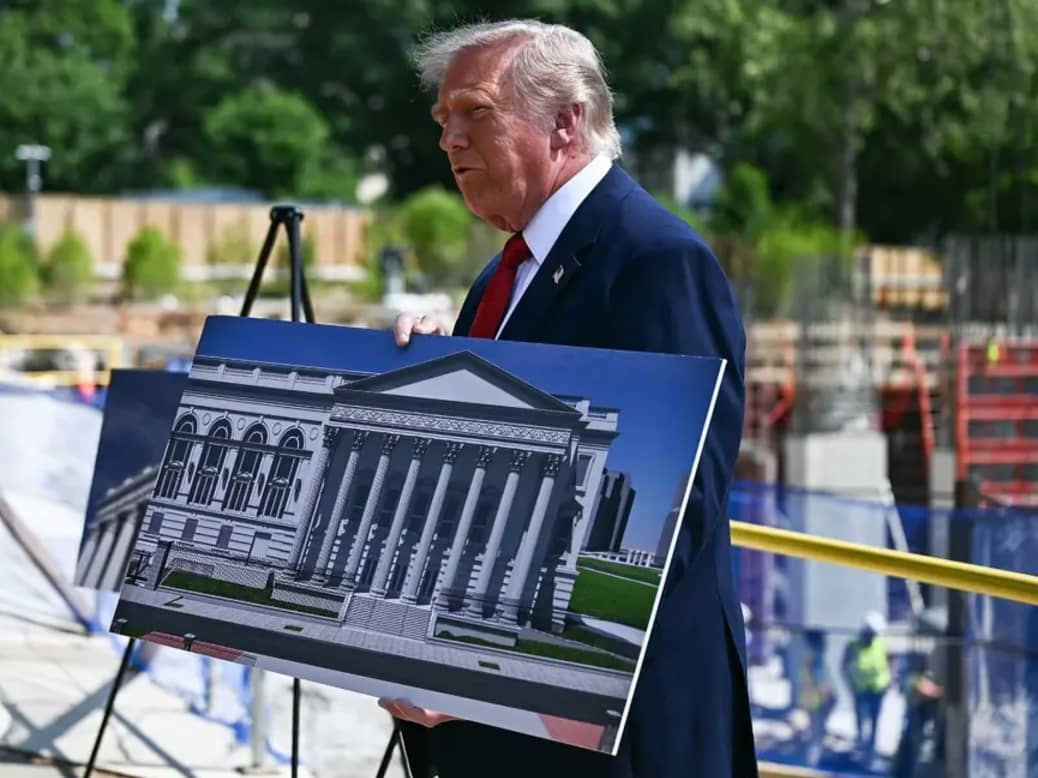
The proposed ballroom is planned to be approximately 90,000 square feet and is intended to provide a large venue for official events, receptions and other gatherings. The administration has said the facility will provide a more suitable and secure location for major events traditionally held at other venues.
The project has an estimated cost of approximately $400 million. The ballroom is being developed on the site of the former White House East Wing, which was demolished to make way for the new construction.
The Trump administration has argued that the project is necessary to provide a modern and secure facility for large presidential events. Officials have also cited security considerations in defending the construction plan.
The project has faced significant opposition from historic preservation groups and other critics. The National Trust for Historic Preservation has challenged the project in court, arguing that the administration exceeded its authority by proceeding without congressional approval.
The legal dispute has therefore centred on questions of executive authority, congressional oversight and the protection of historic federal property.
Lower courts previously intervened to halt above ground construction. Those rulings prompted the Trump administration to seek emergency relief from the Supreme Court while preparing its broader appeal.
The Supreme Court's latest decision allows construction to proceed despite the continuing legal dispute. The ruling was closely divided, with five justices supporting the administration's request and four opposing it. Chief Justice John Roberts joined the court's three liberal justices in dissent.
The dissent argued that Congress has an important constitutional role in matters involving federal property and questioned whether the administration had received the necessary legislative authorization.
The majority, however, focused in part on whether the National Trust for Historic Preservation had sufficient legal standing to challenge the construction. The ruling therefore did not amount to a final determination that every aspect of the project was legally authorised.
This distinction is important because the Supreme Court's decision allows construction to continue but does not necessarily end the litigation.
The project has also generated debate over the future appearance and historical character of the White House complex. The East Wing had served various functions over the years, including offices and facilities associated with the first lady.
Critics have argued that the demolition and replacement of the structure represent a significant alteration to an important national landmark. Supporters of the project argue that the White House needs modern facilities capable of accommodating large numbers of guests.
The ballroom is expected to serve as a venue for major state and presidential functions. Large official events have historically required the White House to use other locations because of limitations in existing indoor spaces.
The administration has presented the new ballroom as a long term addition to the presidential complex. President Trump has also personally supported the project and has described the new facility as an important improvement to the White House.
Funding has been another issue surrounding the project. The administration has said the ballroom itself is being financed through private contributions, while questions have also been raised about the cost of associated security and infrastructure work.
Reports have indicated that the broader construction programme could involve significant additional expenses beyond the headline $400 million ballroom figure.
The latest Supreme Court ruling does not settle those broader questions about funding or congressional involvement. Instead, its immediate effect is to allow construction activity to continue while the legal proceedings remain active.
The case has attracted national attention because it involves the White House, one of the most recognisable government buildings in the United States. Changes to the presidential complex can carry both practical and symbolic significance.
The dispute also reflects a broader debate over the balance of power between the executive and legislative branches of the US government.
The Trump administration has argued that the president has sufficient authority to oversee changes to the White House complex. Opponents contend that major changes to federal property require congressional involvement and appropriate statutory authority.
The disagreement is now being considered through the federal court system.
The Supreme Court's decision means construction crews can continue work rather than waiting for the completion of the litigation. This could make it more difficult to reverse or alter parts of the project if a later court decision ultimately raises legal objections.
The administration is expected to continue defending the project as the legal proceedings develop.
The National Trust for Historic Preservation and other opponents are expected to continue challenging the project through the courts. Their arguments focus on legal authority, historic preservation and the constitutional role of Congress.
The Supreme Court's ruling therefore represents a temporary procedural victory for the Trump administration rather than a final resolution of all legal questions.
The timing of the decision is also significant because construction has already progressed substantially. Reports indicate that work on the project has continued for months, increasing the practical consequences of any future ruling.
The administration has emphasised the importance of completing the ballroom as planned. The facility is intended to accommodate large events that cannot easily be hosted within the existing White House spaces.
Supporters believe the project will provide a modern venue while strengthening security and improving the White House's ability to host major gatherings.
Opponents remain concerned about the scale of the construction and the changes made to the historic East Wing.
The dispute therefore combines questions about architecture, historic preservation, presidential authority, congressional oversight and national security.
The Supreme Court's 5 to 4 decision is likely to remain an important development in the broader legal battle. Chief Justice Roberts' dissent indicates that significant disagreement remains within the court over the constitutional issues raised by the project.
For now, construction can continue while the lawsuits proceed. The administration has secured the ability to move forward with the project, but the underlying legal challenges have not disappeared.
The final outcome could depend on subsequent proceedings in lower courts and potentially further consideration by the Supreme Court.
The White House ballroom project is expected to become one of the most significant physical changes to the presidential complex in decades. Its completion would create a large new event facility, but the legal debate surrounding its construction is likely to continue.
For the Trump administration, the Supreme Court ruling provides an important opportunity to advance the project without the immediate restrictions imposed by lower courts.
For opponents, the ruling does not end their legal challenge. They continue to argue that the project requires greater congressional oversight and that the historic character of the White House complex must be protected.
The immediate result is therefore clear: construction of the $400 million White House ballroom can continue while the legal dispute remains unresolved.
The Supreme Court's decision has given Trump a significant political and legal victory, but it should not be described as a final ruling confirming that the entire project is lawful. The central legal questions surrounding congressional authority and the administration's power to modify the White House complex remain subject to further proceedings.