Tensions between the United States and Iran have escalated significantly after recent diplomatic talks failed to produce an agreement. The latest development comes with the announcement of a United States naval blockade in the Strait of Hormuz, a move that could have wide ranging implications for global trade and geopolitical stability.
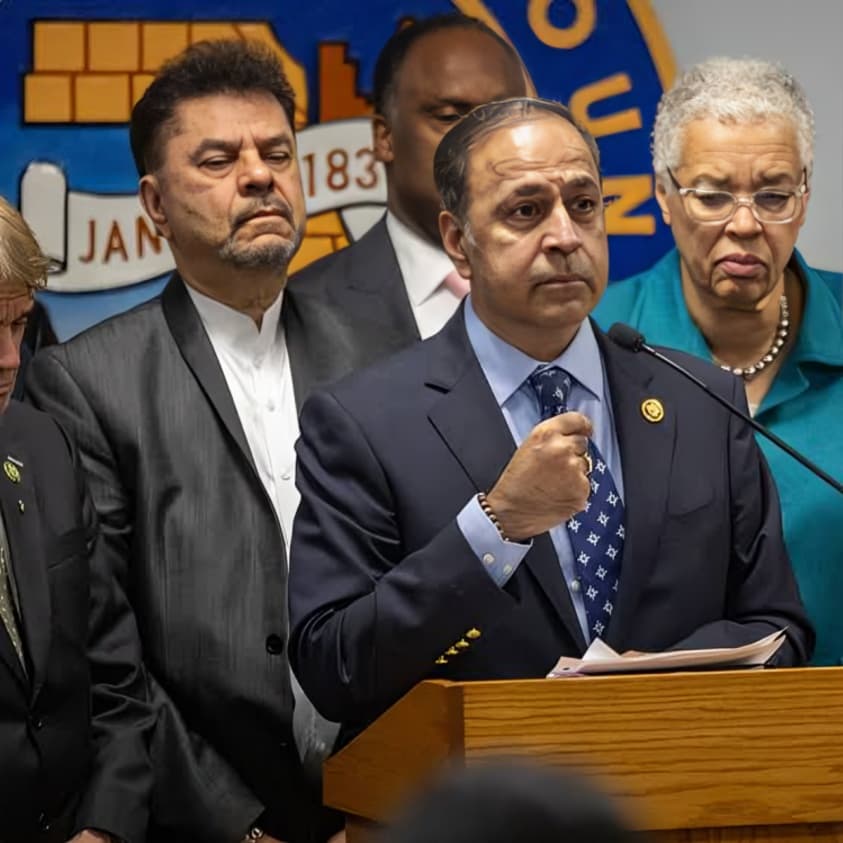
The decision was made after high level discussions between officials from both countries held in Islamabad did not result in any breakthrough. According to statements from the United States administration, Iran’s refusal to compromise on its nuclear program was the primary reason behind the collapse of negotiations. The talks were considered one of the most significant direct engagements between the two nations in several decades.
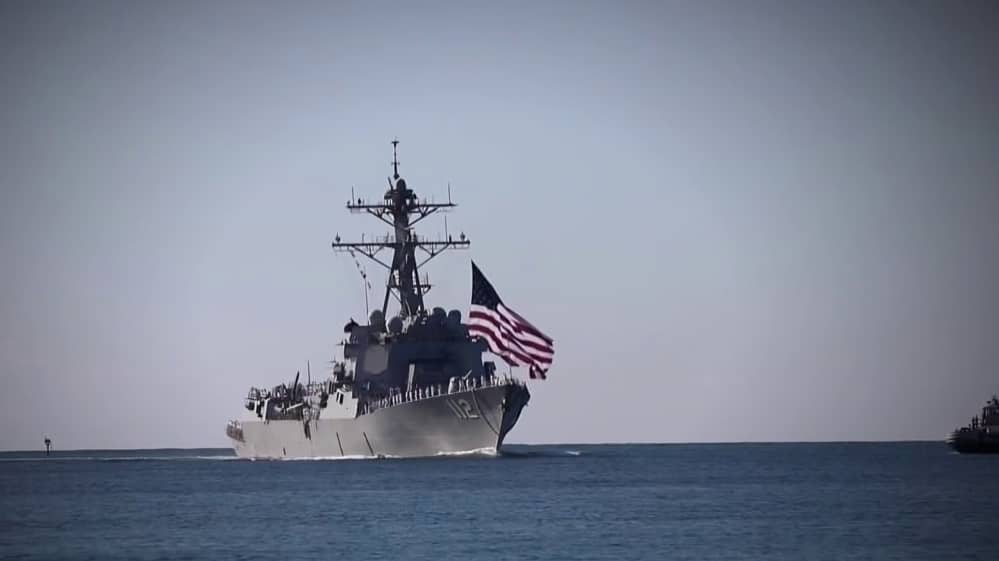
Following the failed negotiations, the United States announced that a naval blockade would be enforced in the Strait of Hormuz. Initially described as a restriction on all vessels entering or leaving the region, further clarification from United States Central Command indicated that the blockade would mainly target ships associated with Iranian ports. This measure is intended to limit Iran’s ability to export oil and exert economic pressure on the country.
The Strait of Hormuz is one of the most strategically important waterways in the world. It serves as a major passage for global oil shipments, with a significant percentage of the world’s crude oil supply passing through it daily. Any disruption in this region can lead to immediate fluctuations in global energy markets, affecting fuel prices and economic conditions across multiple countries.
Iran has responded by stating that it will not reopen the Strait of Hormuz to full international shipping until a comprehensive peace agreement is reached. This stance has further intensified the situation, as it effectively restricts a major portion of global oil movement. Experts warn that such developments could lead to increased volatility in international markets and may disrupt supply chains.
The situation has also triggered political reactions within the United States. Some leaders have criticised earlier policy decisions, arguing that previous agreements had maintained stability and controlled Iran’s nuclear ambitions. Others have acknowledged that resolving the conflict may take time and require sustained diplomatic efforts.
In addition to economic concerns, the military aspect of the blockade has raised fears of potential confrontation in the region. Analysts believe that any escalation could have serious consequences not only for the countries directly involved but also for global security.
Despite the heightened tensions, international observers continue to call for dialogue and peaceful resolution. Diplomatic channels are expected to remain active as global powers seek to prevent further escalation. The outcome of this situation will be closely monitored, as it has the potential to influence global politics, energy markets, and international relations in the coming months.