
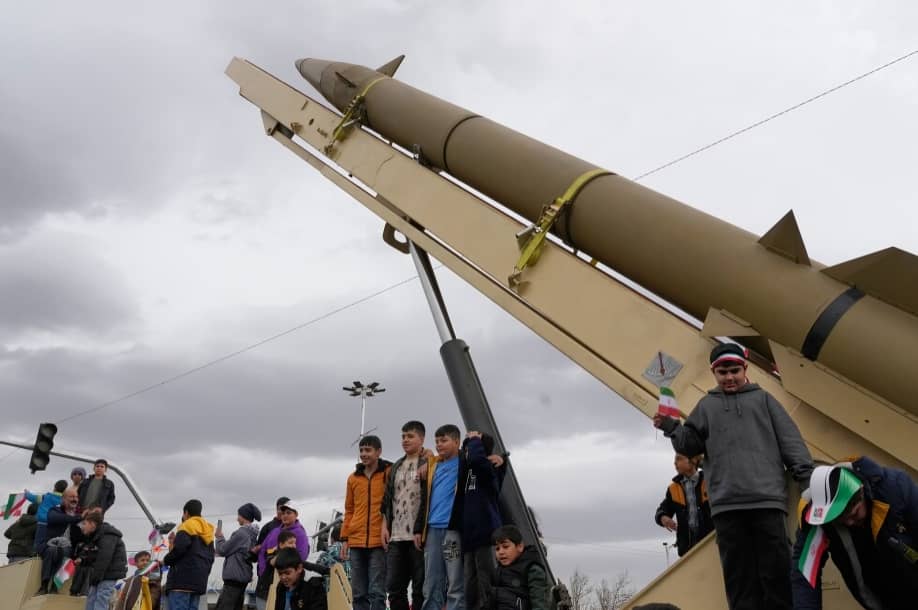
Senior defence officials in the United States have stated that the military capabilities of Iran continue to function despite heavy strikes carried out during the ongoing conflict involving Israel.
According to officials familiar with the situation Iran armed forces have been adapting their operational strategies to respond to the intense military pressure. The conflict has involved extensive air strikes targeting military facilities infrastructure and strategic positions across several locations.
Despite the scale of the attacks analysts say that Iran military structure has not completely collapsed. Instead defence officials believe the Iranian military has adjusted its approach by relying on decentralised command structures and alternative operational tactics.
Military experts explain that decentralised command systems allow forces to continue functioning even if major command centres are damaged. Such systems distribute operational responsibilities among multiple units which makes it more difficult for opponents to completely disable the entire military structure.
The ongoing conflict has significantly raised tensions across the Middle East region. The military operations began after a series of escalations involving missile strikes and security incidents that intensified the confrontation between the involved countries.
Reports indicate that the conflict has included air strikes targeting military bases weapons storage facilities and communication networks. However defence analysts say that military organisations often plan for such scenarios and prepare contingency strategies that allow them to continue operations during wartime.
Officials in the United States have acknowledged that the situation remains complex and evolving. Even when military leadership structures experience losses armed forces may continue functioning through remaining commanders and operational units.
Experts note that modern military forces frequently develop layered command systems to maintain operational continuity during conflict. These systems ensure that field commanders and regional units can continue carrying out missions even if central leadership is disrupted.
In addition to conventional military capabilities Iran is also believed to rely on a network of allied groups across the region. These groups may provide support through various forms of cooperation which can influence the overall dynamics of the conflict.
The continued resistance observed by defence analysts highlights the challenges involved in assessing the effectiveness of military operations during active conflict situations. Determining the full impact of air strikes and strategic attacks often requires extended observation over time.
Security experts also warn that prolonged military confrontation could increase the risk of broader regional instability. Several countries in West Asia closely monitor the developments as the conflict has potential implications for energy markets trade routes and diplomatic relations.
International organisations and global leaders have called for efforts to reduce tensions and prevent further escalation. Diplomatic discussions are expected to play an important role in addressing the crisis and seeking possible solutions to the conflict.
As the situation continues to develop defence officials say they are closely monitoring military activities and regional security conditions to evaluate the next phase of the conflict.


