
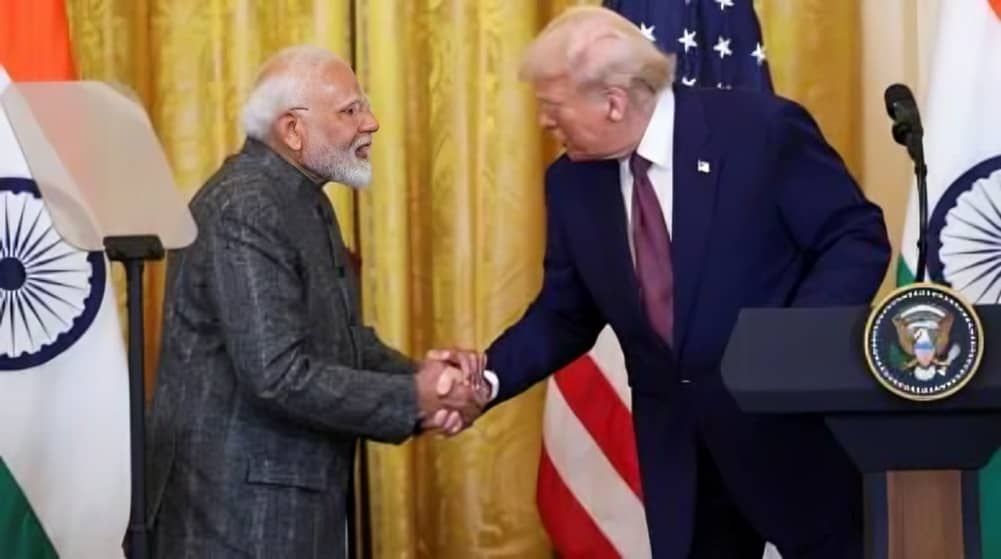
US lawmakers have voiced concerns that certain policies introduced during the Trump administration are putting strain on the longstanding strategic partnership between India and the United States. Key issues highlighted include new tariffs on Indian goods and the increase in fees for H1B visas, which are widely used by Indian professionals to work in the US technology and services sectors.
The discussion took place at a House Foreign Affairs Subcommittee hearing focused on South and Central Asia, titled “The U.S.–India Strategic Partnership: Securing a Free and Open Indo-Pacific.” Representative Ami Bera, one of the lawmakers leading the conversation, emphasized that bipartisan support for the India–US relationship remains strong. However, he warned that recent economic measures, particularly those affecting trade and professional mobility, are creating friction and could have long-term consequences for bilateral cooperation.
Experts from leading think tanks also provided testimony during the hearing. Jeff Smith from the Heritage Foundation pointed out that higher tariffs on Indian exports could disrupt trade flows and negatively impact American companies dependent on Indian goods and services. Dhruva Jaishankar from the Observer Research Foundation America highlighted the importance of Indian talent to the US technology sector, noting that H1B visa fee increases and stricter regulations could reduce the inflow of skilled professionals, impacting innovation and business growth. Sameer Lalwani from the German Marshall Fund underscored the strategic implications, emphasizing that economic frictions could weaken broader cooperation on defense, technology, and regional security issues in the Indo-Pacific.
Lawmakers stressed the need to balance domestic economic priorities with the strategic significance of the India–US partnership. They urged policymakers to reconsider policies that could hinder trade and mobility while encouraging measures that strengthen collaboration, investment, and people-to-people ties. Several members noted that India is a critical partner in maintaining stability in the Indo-Pacific region, making the economic and visa-related issues particularly sensitive.
The hearing also highlighted that despite the challenges, there are significant opportunities for deeper engagement. Both countries have expanded cooperation in areas such as defense, technology, clean energy, and healthcare. Ensuring smoother economic and visa policies could facilitate greater collaboration, strengthen bilateral trade, and enhance strategic alignment in regional and global affairs.
Industry representatives and policymakers alike reiterated that the US benefits from Indian talent, while Indian professionals gain career opportunities in the US technology and research sectors. Any barriers to mobility or trade could therefore have wide-reaching implications beyond immediate economic considerations.
In conclusion, while the US–India relationship remains fundamentally strong, Trump-era tariffs and H1B visa fee hikes have highlighted potential points of friction. Lawmakers and experts agree that addressing these issues is crucial for maintaining strategic, economic, and people-to-people ties. Continued dialogue, policy adjustments, and collaborative engagement are seen as essential to ensuring the partnership continues to flourish in the coming years.


