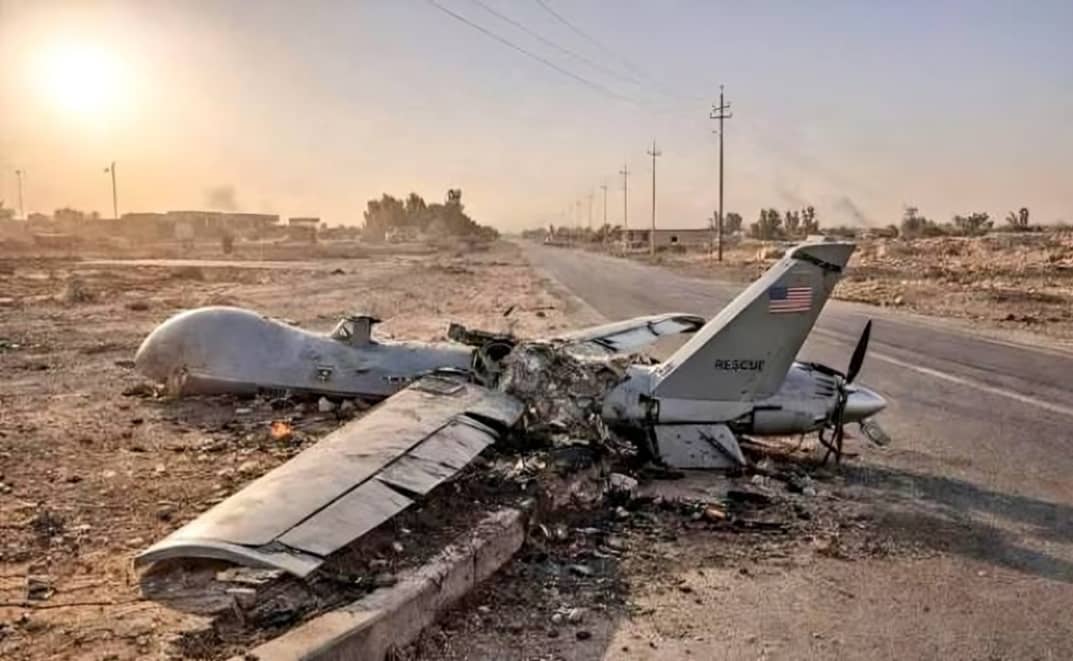
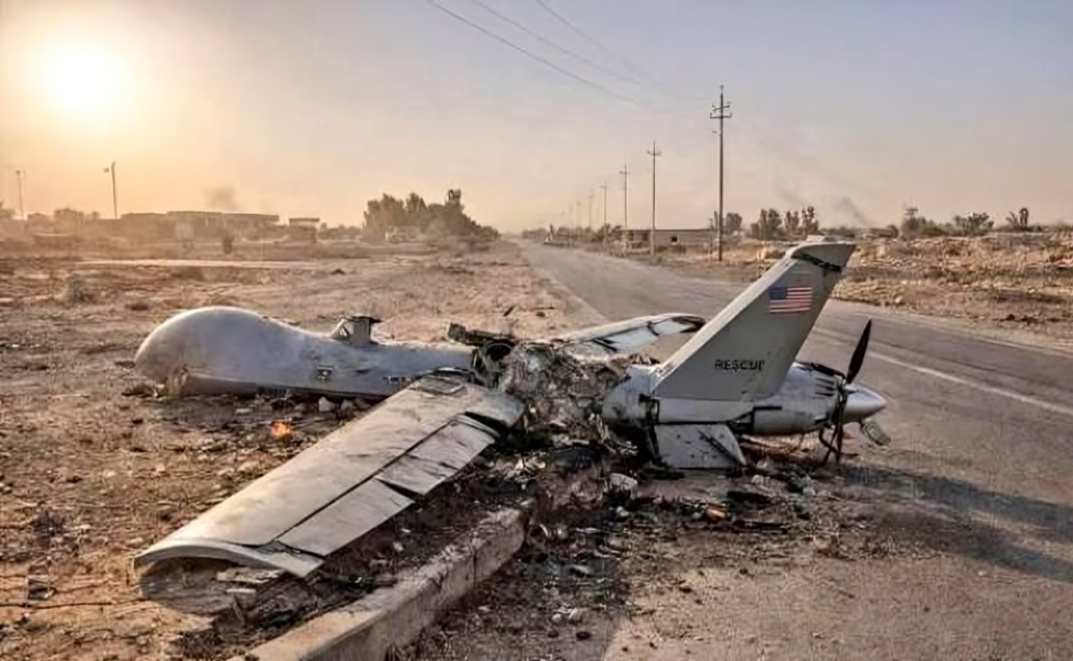
The United States military has reportedly suffered significant losses of its MQ-9 Reaper unmanned aircraft during the ongoing war with Iran. According to a Washington Post report published on August 13, at least 45 Reaper drones have been lost during the conflict, representing approximately one quarter of the US military's fleet of these aircraft. The report cited three US officials familiar with the losses.
The reported figure has drawn attention because the MQ-9 Reaper is an important part of the US military's intelligence, surveillance and reconnaissance capabilities. The aircraft can also be used for precision strike missions and has been deployed extensively in the Middle East.
The Washington Post reported that the United States had roughly 185 Reaper drones before the war, meaning that the loss of 45 aircraft would amount to around 25 percent of the fleet. The reported losses could have a significant impact on the availability of the aircraft for future operations.
The financial value of the losses is also substantial. Depending on its configuration and equipment, an MQ-9 Reaper can cost between 30 million and 50 million dollars. Based on those figures, the reported loss of 45 aircraft could represent more than 1.3 billion dollars in equipment value.
However, the reported losses should not be interpreted as meaning that all 45 drones were shot down by Iranian forces. A US official cited in the reporting said that some of the aircraft were lost after communications between the drones and their operators failed. Other aircraft were reportedly destroyed in combat or through hostile action. The precise breakdown has not been publicly disclosed.
The MQ-9 Reaper is designed primarily for long endurance operations. Its ability to remain airborne for extended periods makes it useful for monitoring large areas and supporting military operations. However, the aircraft is also relatively vulnerable when operating in environments where sophisticated air defence systems are present.
The Iran war has therefore highlighted the challenges involved in using large unmanned aircraft in contested airspace. Modern conflicts increasingly involve electronic warfare, air defence systems and other technologies capable of disrupting or attacking unmanned platforms.
The reported losses could also raise questions about the US military's ability to maintain sufficient numbers of Reapers during prolonged operations. Replacing sophisticated unmanned aircraft requires manufacturing capacity, trained personnel and supporting infrastructure. A sustained loss rate could place additional pressure on military inventories.
The Strait of Hormuz has been an important operational area during the conflict. The strategically significant waterway is a major route for global energy shipments and has become one of the key areas of military activity. The Washington Post reported that US Reapers were heavily used around the region.
The reported losses have also attracted attention because they come at a time when the US military is examining the broader availability of weapons and military equipment following the conflict with Iran. Recent reporting has highlighted concerns over depleted stocks of several types of military equipment and efforts to increase production.
For military planners, the experience could influence future decisions about unmanned aircraft procurement, air defence, electronic warfare protection and operational tactics. The conflict demonstrates that even expensive and technologically advanced unmanned systems can face significant risks when deployed against capable opponents.
The MQ-9 Reaper remains an important US military asset, but the reported losses demonstrate the difficulties of maintaining persistent drone operations in heavily contested environments.
The US Department of Defense has not publicly confirmed the full number of Reaper losses reported by the Washington Post. Therefore, the figure of 45 should be treated as a reported estimate based on US officials cited by the newspaper rather than as a formally announced Pentagon total.
Overall, the reported loss of 45 MQ-9 Reaper drones represents a significant development in the Iran war and highlights the growing challenges facing large unmanned aircraft in modern warfare.