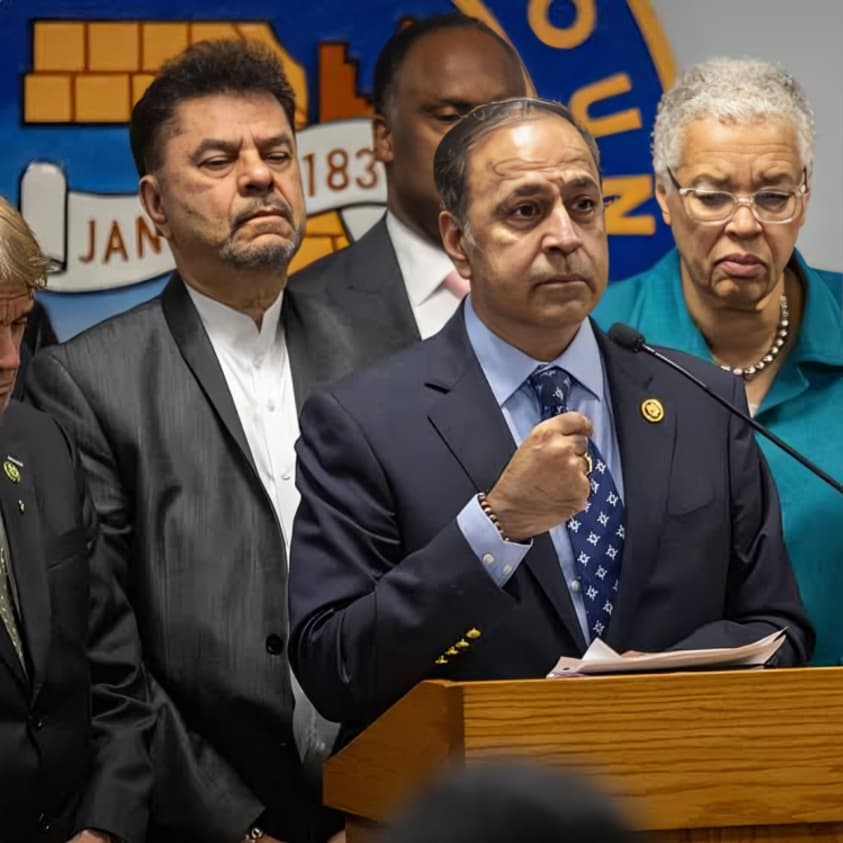
In a recent congressional session in Washington, a US Senator made controversial remarks targeting India, China, and Brazil over their ongoing energy trade with Russia. The senator accused the three nations of taking advantage of lower oil prices offered by Russia and undermining the Western coalition’s efforts to impose economic pressure on Moscow amid the ongoing conflict involving Ukraine.
The senator expressed concern that the continued import of discounted Russian crude by these countries was weakening the impact of sanctions imposed by the United States and its allies. He suggested that by purchasing Russian oil, India, China, and Brazil were indirectly supporting Russia’s war economy. The senator warned that the United States could consider stronger economic responses if this trend continued, suggesting that such actions were not aligned with global expectations on the Ukraine conflict.
While the statement received support from a few lawmakers in the session, it drew criticism from others who cautioned against using economic threats in a complex and interconnected global trade system. Several international analysts pointed out that energy security remains a sovereign priority for all nations and that countries like India have consistently stated their need to make decisions based on national interest.
India has defended its decision to purchase oil from Russia, highlighting that the transactions are legal under international law and that such imports help keep domestic fuel prices stable. Indian authorities have emphasized that the country maintains strategic autonomy in foreign policy decisions and does not endorse any geopolitical conflicts. The Indian government has also pointed out that it continues to maintain open dialogues with global partners, including the United States, on all matters of strategic importance.
China has remained largely silent on the senator’s comments, while Brazil has also not issued an official statement. However, both countries have been known to prioritize trade relations that benefit their domestic economies, including energy imports that support industrial and transport sectors.
The senator’s comments have reignited debate over the effectiveness and reach of Western sanctions. Experts argue that unless there is global consensus on such sanctions, countries outside the sanctioning bloc may continue trade based on their own needs and policies. They also warn that threats of economic retaliation can strain diplomatic ties and may not always produce the intended results.
This development comes at a time when global energy markets remain volatile, and nations are balancing inflation concerns, fuel availability, and geopolitical alignments. As the world navigates the challenges of energy diplomacy, this incident underscores the complexities in balancing national interests with global responsibilities.
Observers will be watching closely to see whether this rhetoric translates into policy action or remains a part of political discourse in the lead-up to upcoming US elections.