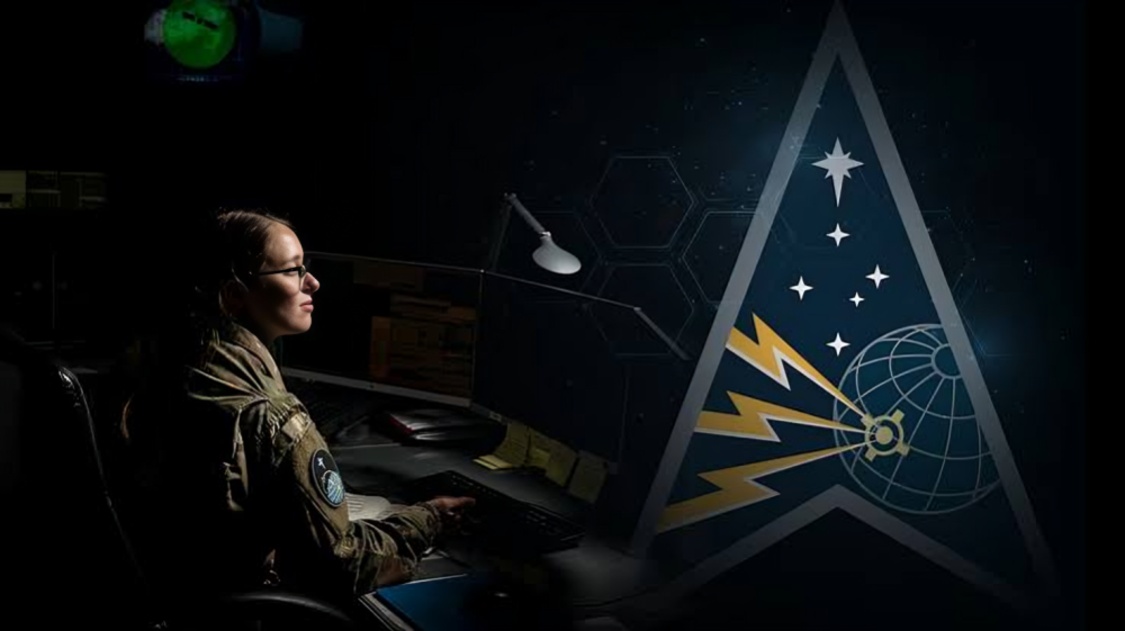
US Space Force Activates SPACEFOR-SOC to Support Special Operations Missions
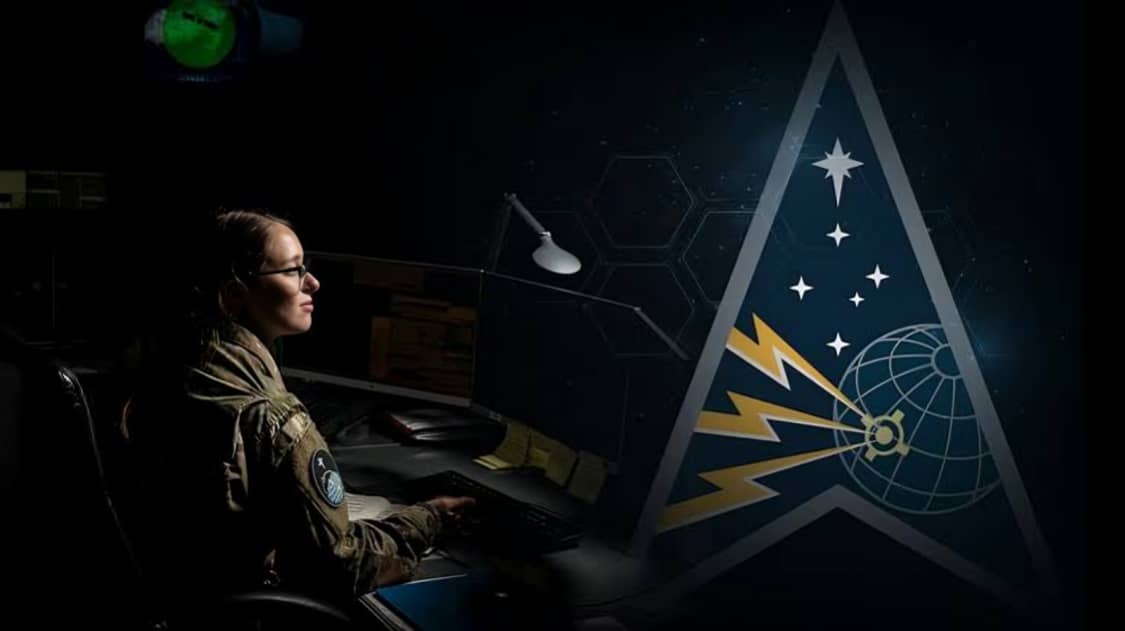
The United States Space Force has activated a dedicated component within the structure of US Special Operations Command, marking a new step in the integration of military space capabilities with specialised military operations. The development establishes a formal command arrangement intended to bring space-related expertise closer to commanders responsible for special operations missions.
According to a report published by Air and Space Forces Magazine on October 13, 2026, the component was activated on October 7. The report said the move creates a ninth component within the broader US Special Operations Command structure. A formal ceremony to mark the establishment was expected to take place in the following weeks.
The development reflects the growing importance of space-based capabilities in modern military planning. Satellite communications, positioning and navigation services, missile warning systems and space-related intelligence can support military forces operating across different environments. A dedicated organisational structure can help commanders coordinate these capabilities with operational requirements.
A Formal Link Between Space and Special Operations
US Special Operations Command, commonly known as SOCOM, oversees specialised military forces responsible for a range of missions. These forces may conduct activities that require close coordination, rapid planning, intelligence support and access to information from multiple military domains.
The newly activated Space Force component is intended to provide a formal channel through which space expertise can be incorporated into SOCOM's planning and operational requirements. Rather than treating space support as a separate or occasional service, the arrangement establishes a dedicated organisational link between the Space Force and special operations leadership.
The activation also represents a change from the earlier arrangement. A Space Force special operations element had already been operating at SOCOM headquarters at MacDill Air Force Base in Florida. However, defence reporting indicated that the service had not previously established a formal component field command within SOCOM.
The new structure is designed to clarify responsibilities and improve coordination between space specialists and the commanders who require their support. Its practical effect will depend on how personnel, planning responsibilities and operational procedures are organised after activation.
Why Space Capabilities Matter to Special Operations
Space systems have become increasingly important to military activities around the world. Satellite communications allow forces to exchange information over long distances, including in locations where conventional communications infrastructure may be limited. Positioning, navigation and timing services help military units determine locations, coordinate movements and synchronise activities.
Space-based sensors and intelligence systems can also contribute to surveillance, situational awareness and warning functions. These capabilities may be particularly relevant to special operations missions, where teams can operate in demanding environments and may require timely information to support decisions.
A dedicated Space Force component could help special operations commanders identify the space capabilities required for a mission and coordinate access to relevant expertise. It may also support planning between different military services and commands.
However, the activation itself does not establish that a particular new weapon, satellite system or operational capability has been deployed. The immediate development is primarily an organisational one. Any assessment of its effectiveness will require information about staffing, resources, command responsibilities and how the component performs its assigned duties.
A Move Following Earlier Planning
The establishment of the component follows a longer process of planning and discussion within the US military. US Special Operations Command had previously announced plans to create a dedicated space component to improve the integration of space capabilities into its activities.
The proposal also attracted congressional scrutiny. Air and Space Forces Magazine reported that Congress placed restrictions on funding for the move in the fiscal year 2026 National Defense Authorization Act until the Space Force provided further details about its plans.
That background highlights the institutional and budgetary considerations involved in creating a new military command structure. Establishing a component requires more than announcing a mission. Authorities must also determine its responsibilities, resource requirements and relationship with existing commands.
The October activation indicates that the formal organisational step has now been taken. However, details about the component's full staffing, resources and long-term operating arrangements should be confirmed through official announcements as they become available.
Wider Implications for US Military Planning
The activation forms part of a broader effort by the Space Force to establish clearer links with the US military's combatant commands. Dedicated service components can help ensure that space expertise is available to commanders who need to integrate space capabilities into their operational planning.
This approach reflects the expanding role of space in modern defence. Military operations increasingly rely on information and services supported by satellites and other space-based systems. As a result, military planners must consider space alongside traditional operational domains.
For special operations forces, coordination with space specialists may help improve planning and access to relevant capabilities. The precise benefits, however, will depend on implementation and the operational needs identified by SOCOM.
The activation should therefore be understood as a structural development rather than proof of a specific change in battlefield capability. Further official information will be needed to assess how the component will operate, what resources it will receive and how it will support future missions.
What Happens Next?
The Space Force was expected to hold a formal ceremony in the weeks following the activation, according to defence reporting. Such an event may provide additional information about the component's leadership, responsibilities and future priorities.
Further details from the US Space Force or US Special Operations Command will be important for understanding the new structure's practical role. Until more information is officially released, claims about its staffing, specific missions or operational achievements should be treated cautiously.
The activation nevertheless marks a significant organisational step in the US military's effort to connect space expertise with special operations planning. It formalises a relationship that had already existed in a more limited organisational form and creates a dedicated structure for closer coordination between the two areas.