
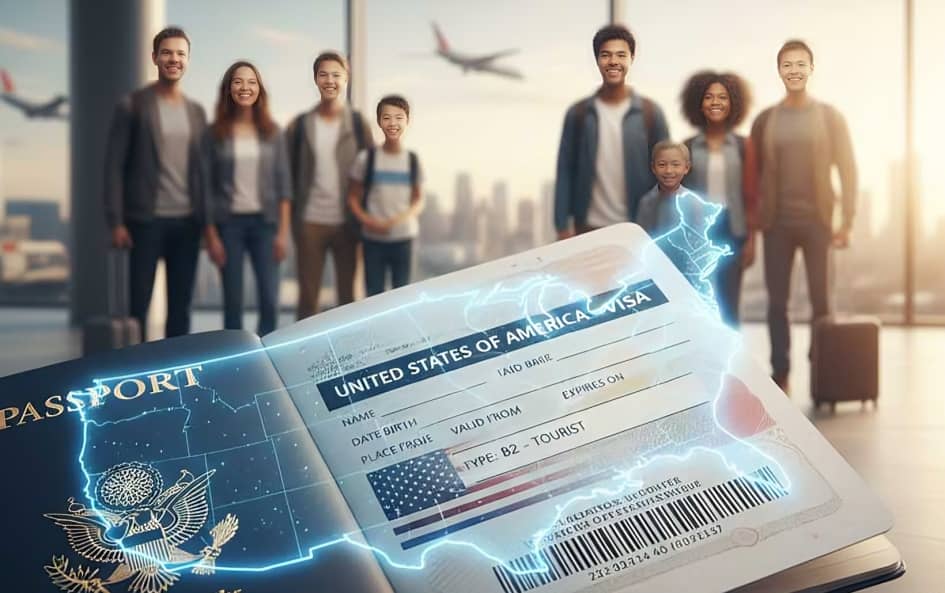
The United States has introduced stricter vetting measures for H-1B visa applicants, with fresh guidelines directing consular officers to closely scrutinise candidates’ past professional involvement in areas such as content moderation, censorship, and misinformation control. According to a State Department memo issued during the Trump administration, applicants with links to these activities may face increased risk of visa denial if their roles are deemed inconsistent with US policy or national security interests.
The H-1B visa is one of the most sought-after work visas in the United States and is widely used by skilled professionals, particularly from the information technology, engineering, and healthcare sectors. Indian nationals form the largest group of H-1B beneficiaries each year. The new vetting instructions have therefore attracted strong attention from Indian professionals and immigration consultants who closely track changes in US visa policies.
Under the revised guidelines, consular officers have been advised to examine applicants’ previous employment history in greater detail. This includes assessing whether the individual was associated with activities involving online censorship, content regulation, or coordinated information control. The directive reportedly reflects broader concerns within the US administration about the influence of foreign governments, misinformation campaigns, and digital control mechanisms.
Immigration experts say the new approach expands the scope of background checks beyond traditional security and criminal screening. Officers may now seek detailed explanations about an applicant’s professional responsibilities, institutional affiliations, and the nature of digital or media-related work carried out in previous roles. This can affect professionals who worked with government-linked technology firms, social media platforms, digital policy organisations, and content monitoring agencies.
For Indian professionals, the development adds another layer of uncertainty to an already competitive H-1B process. In recent years, the visa programme has seen rising application numbers, frequent policy changes, and tighter scrutiny over employer-employee relationships, job roles, and wage levels. The latest guidelines are expected to further lengthen processing times and increase documentation requirements.
Legal experts have advised applicants to ensure full transparency in their visa applications, particularly concerning past job profiles. Providing accurate descriptions of work responsibilities and supporting documents could help mitigate risks of rejection. At the same time, immigration lawyers caution that vague definitions of terms such as censorship or misinformation may lead to inconsistent interpretations by visa officers.
The US government has maintained that the objective of enhanced scrutiny is to safeguard national interests and ensure that visa holders do not pose risks related to information security or foreign influence. However, critics argue that broad criteria could unfairly target legitimate technology professionals whose work involved routine content review or platform safety operations.
As the policy continues to be implemented, visa applicants, employers, and immigration consultants are closely monitoring how rejection patterns evolve. The new rules are expected to have a noticeable impact on professionals in digital media, artificial intelligence moderation, cyber security, and online policy compliance roles. Further clarifications from US authorities may determine how strictly the guidelines are enforced in the coming months.


