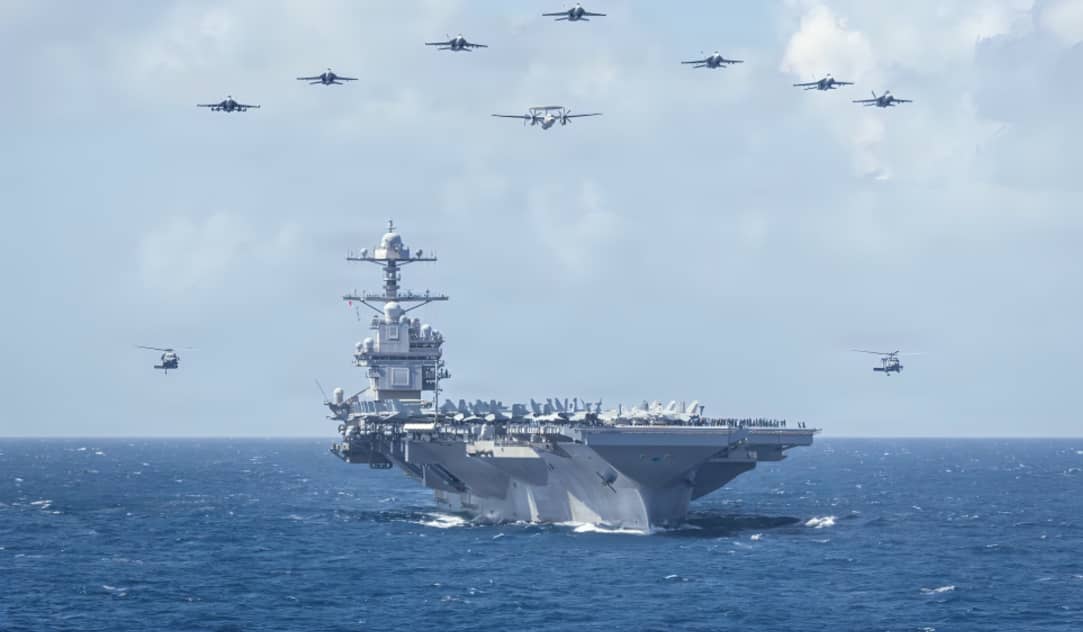
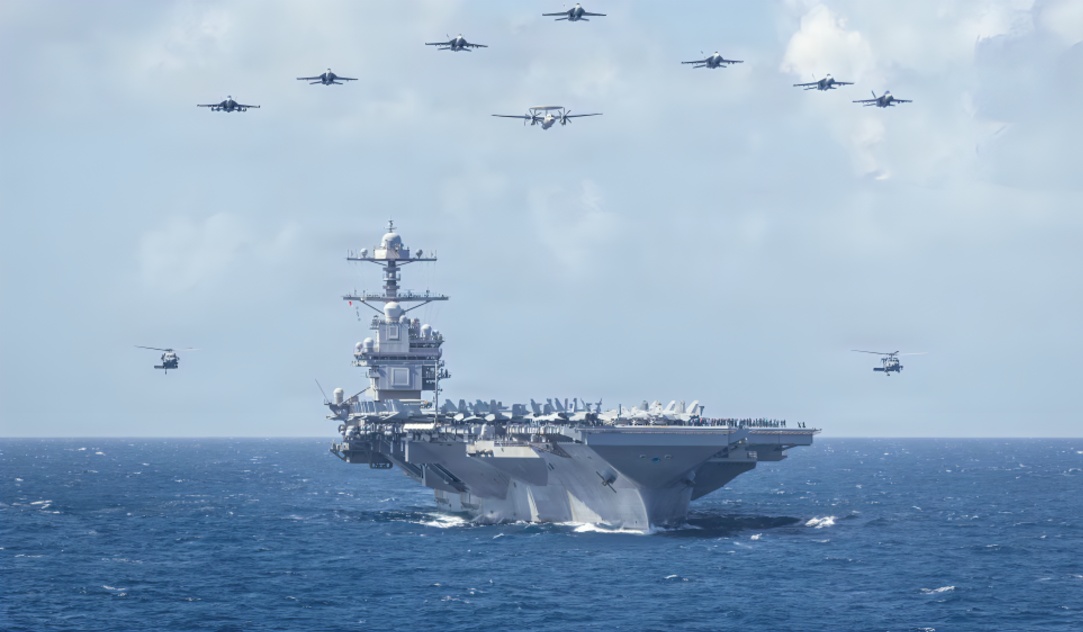
The USS Abraham Lincoln, a Nimitz class nuclear powered aircraft carrier of the United States Navy, is scheduled to make a brief port visit to Thailand next week after completing an exceptionally long deployment at sea.
The planned stop comes after the carrier spent more than 250 consecutive days at sea while supporting US military operations in the Middle East. Thai officials have confirmed that the visit is intended to provide rest and recreation for the crew, along with logistical support and other necessary services.
Approximately 5,000 sailors and Marines are aboard the aircraft carrier. The extended deployment has attracted considerable attention because the ship went without a regular port call for more than 200 days. According to reports, the deployment has been extended significantly beyond the duration normally expected for a carrier deployment because of the wider military situation in the Middle East.
The carrier departed from San Diego in November 2025 and was subsequently deployed to support US operations in the Middle East. The ship has been involved in a prolonged operational commitment during the conflict involving the United States and Iran.
US Navy carrier deployments can normally last several months, but operational requirements during periods of conflict can extend those deployments considerably. The Lincoln's current deployment has therefore become an unusually demanding assignment for its crew.
The planned Thailand visit is being viewed primarily as a break for personnel rather than a new military operation. A Thai government official said the crew would receive rest and recreation after the long sea journey.
The Royal Thai Navy has also confirmed that three ships from the US carrier strike group are expected to make a short stop in eastern Thailand. The Thai Navy said the visit would not involve joint military exercises.
Security considerations mean that Thai authorities have not publicly disclosed the exact port or arrival time. The identity of all the ships involved has also been handled cautiously in public statements.
The port visit is taking place under the longstanding defence relationship between Thailand and the United States. Thailand has been a US treaty ally since 1954 and remains an important security partner in the Indo Pacific region.
For the sailors and Marines aboard the Lincoln, the stop is significant because it provides an opportunity to leave the ship after months of continuous operations. A port visit can allow personnel to rest, communicate with family members, obtain supplies and access services that are more difficult to provide during extended periods at sea.
The unusually long deployment has also generated discussion about crew welfare. Reports have raised concerns about fatigue, morale and mental health among some members of the crew. There have also been reports concerning shortages of certain supplies and deteriorating conditions aboard the carrier.
However, these reports have been disputed by senior US officials. US Defence Secretary Pete Hegseth has rejected claims that conditions aboard the carrier were as severe as some reports suggested. Officials have also praised the crew for maintaining operational readiness during the lengthy deployment.
The extended deployment has placed additional demands on both personnel and the ship itself. Aircraft carriers require continuous maintenance, resupply and crew support during lengthy operations. The carrier and its accompanying vessels have relied on underway replenishment and other logistical arrangements while remaining at sea.
The Lincoln's planned visit to Thailand therefore provides an opportunity for both personnel and the carrier strike group to receive additional logistical assistance before continuing their journey.
The carrier has already begun moving away from its Middle East deployment area. Another US aircraft carrier, the USS George Washington, has arrived in the region to take over part of the carrier presence. This transition allows the Lincoln to begin its return journey after its prolonged operational commitment.
The deployment has also attracted attention in the United States because of its length. According to the US Naval Institute, the Lincoln's deployment could become the second longest US Navy carrier deployment since the end of the Cold War.
The carrier's movements are also closely monitored because aircraft carriers are major components of US naval power. A carrier strike group typically includes the aircraft carrier, surface combatants and support vessels. Together, these ships provide aviation, air defence, maritime security and logistical capabilities.
Despite the attention surrounding the Thailand visit, officials have stressed that it is a routine port call rather than a new military exercise. The Royal Thai Navy has specifically said that no joint exercises are planned during the visit.
The decision to provide the crew with rest in Thailand also highlights the importance of personnel welfare during long military deployments. Sailors and Marines working continuously at sea can face physical and psychological pressures associated with limited personal space, long working hours and extended separation from their families.
A temporary port visit provides an important opportunity to reduce some of those pressures before personnel continue their journey.
The exact length of the Thailand stop has not been publicly disclosed. Military movements and port schedules are often kept confidential for operational security reasons.
The US Navy has also been cautious about confirming future ship movements. Navy officials have generally avoided providing detailed information about upcoming port calls because of operational security requirements.
Thailand's role in the visit is also important from a regional perspective. The two countries have maintained a long defence relationship, with military cooperation covering areas such as exercises, training and regional security.
The visit demonstrates that relationship while also serving a practical purpose for the carrier strike group's personnel.
The Lincoln's arrival will come after an unusually long period without a traditional port call. Reports indicate that the ship has gone more than 200 days without such a visit, creating an extraordinary period of continuous operations for the crew.
The prolonged deployment has also raised questions about the sustainability of extended carrier operations. While military forces are designed to operate for long periods, maintaining crew morale, equipment readiness and supply levels becomes increasingly challenging when deployments are extended beyond their original plans.
The Lincoln's experience could therefore provide useful lessons for the US Navy as it evaluates future deployments and the balance between operational requirements and crew welfare.
For the sailors and Marines, however, the immediate priority is likely to be the opportunity to step ashore after months at sea.
The planned Thailand visit also comes as the carrier begins the next stage of its journey toward the United States. After completing its Middle East mission, the Lincoln is expected to continue its return deployment rather than remain indefinitely in the region.
The arrival of another carrier in the Middle East has made the transition possible and allowed the Lincoln to begin moving toward home.
The situation surrounding the Lincoln demonstrates how geopolitical developments can significantly alter military deployment schedules. A mission that began as a conventional carrier deployment was extended because of changing security conditions and military operations in the region.
As a result, thousands of sailors and Marines have spent considerably longer at sea than originally expected.
The Thailand port visit will therefore serve as an important pause before the carrier continues its journey.
The visit is not being described as a military exercise or a new operational deployment. Instead, Thai authorities have described it as a routine stop focused on rest, recreation and logistical support.
The USS Abraham Lincoln remains one of the most prominent ships in the US Navy's fleet. Its aircraft provide the carrier strike group with significant air power, while its supporting ships provide protection and logistical capabilities.
The lengthy deployment has demonstrated the ability of the US Navy to maintain a carrier presence for an extended period, but it has also highlighted the human and logistical costs associated with such operations.
For the approximately 5,000 sailors and Marines aboard, the upcoming Thailand visit is expected to provide a much-needed opportunity to rest after an exceptionally long period at sea.
After the port visit, attention will turn towards the carrier's return to the United States and the completion of its extended deployment.
The Thailand stop is therefore significant not because of a planned military exercise, but because it marks a rare opportunity for the crew to take a break following one of the US Navy's longest recent carrier deployments.