
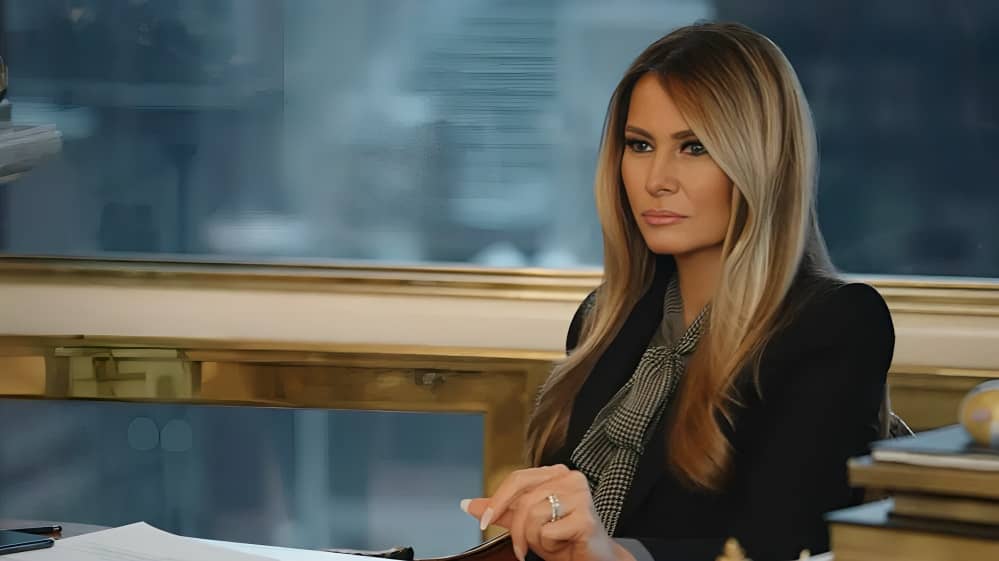

The documentary Melania, centred on First Lady Melania Trump and released on January 30, 2026, offers a carefully curated personal narrative of her life in the 20 days leading up to President Donald Trump’s second inauguration. Directed by Brett Ratner and distributed by Amazon MGM Studios, the film provides viewers with close-up and cinematic depictions of inauguration preparations, family moments, and behind-the-scenes access to the First Lady’s daily routines.
On screen, Melania highlights personal aspects of her life, including her fashion choices, interactions with designers, moments of grief such as reflections on her late mother, and social engagements with international figures. The documentary captures scenes showing her son Barron, conversations with other first ladies, and Melania’s reflections on her immigrant background. These elements underscore a narrative centred on personal experience rather than political context.
However, critics have argued that the film conspicuously avoids more contentious aspects of the Trump presidency and broader political debates. Reviews have described Melania as highly stylised and focused on curated personal content rather than substantive political critique or exploration of controversial policies during the administration. Some critics characterise the documentary as lacking depth and avoiding discussion of hot-button issues that have shaped public discourse, such as immigration policy controversies and White House politics.
This narrative choice is significant because it influences how audiences perceive the First Lady’s public role. By emphasising personal and ceremonial elements, the film frames Melania Trump in a particular light while sidestepping political scrutiny. Observers note that this approach contributes to a depiction that aligns more closely with image-building than journalistic or historical analysis. Such framing choices can shape public understanding, especially when the documentary is released amid heightened political tensions in the United States.
The documentary’s reception has been mixed to negative among reviewers. Many critics have labelled Melania as lacking substantive insight, with some suggesting it emphasises glamour and personal narrative over meaningful engagement with broader political issues. On review aggregator platforms, the film has performed poorly compared with other documentaries, and several critics have described it in stark terms, questioning its value as a film with historical or cultural significance.
Public response has also highlighted the contrast between the film’s focus and current political events. While Melania emphasises personal aspects of the First Lady’s life, national debates continue around policy and governance issues that many Americans view as more pressing. This juxtaposition underscores why discussions persist about what the documentary chooses to include—and what it omits.
The way Melania is framed highlights broader questions about documentary filmmaking, political portrayal and the line between personal narrative and political context. As debates over immigration, governance and public accountability continue, the documentary reinforces how storytelling choices can shape audience perceptions.


