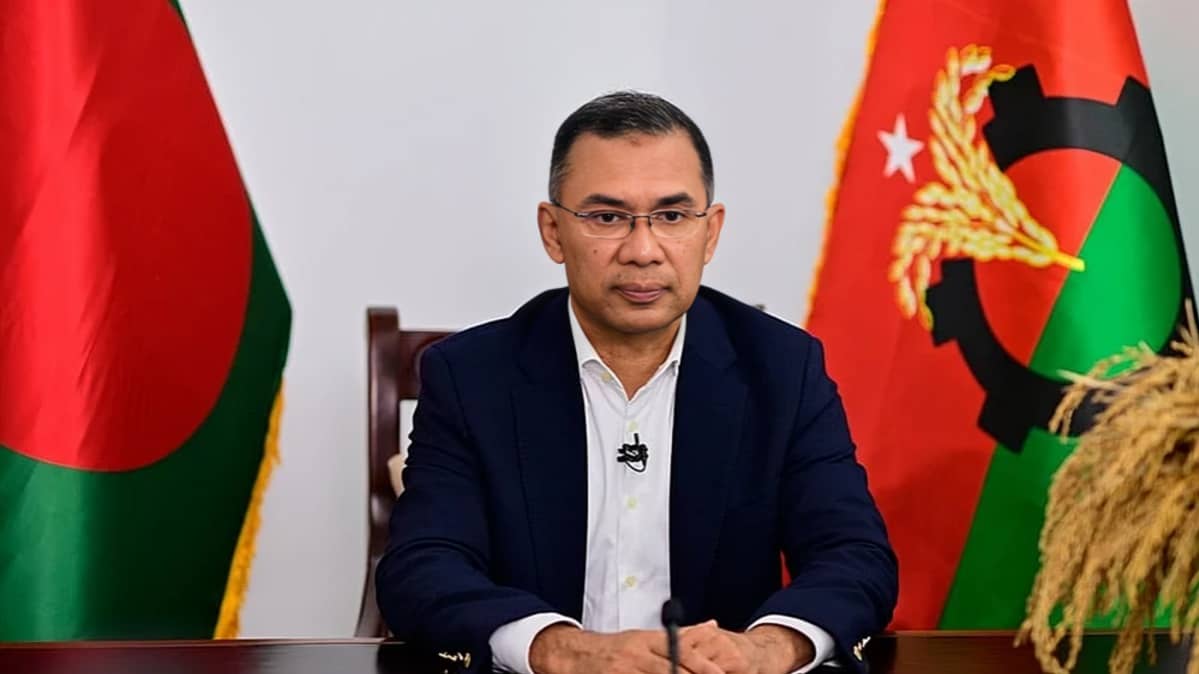
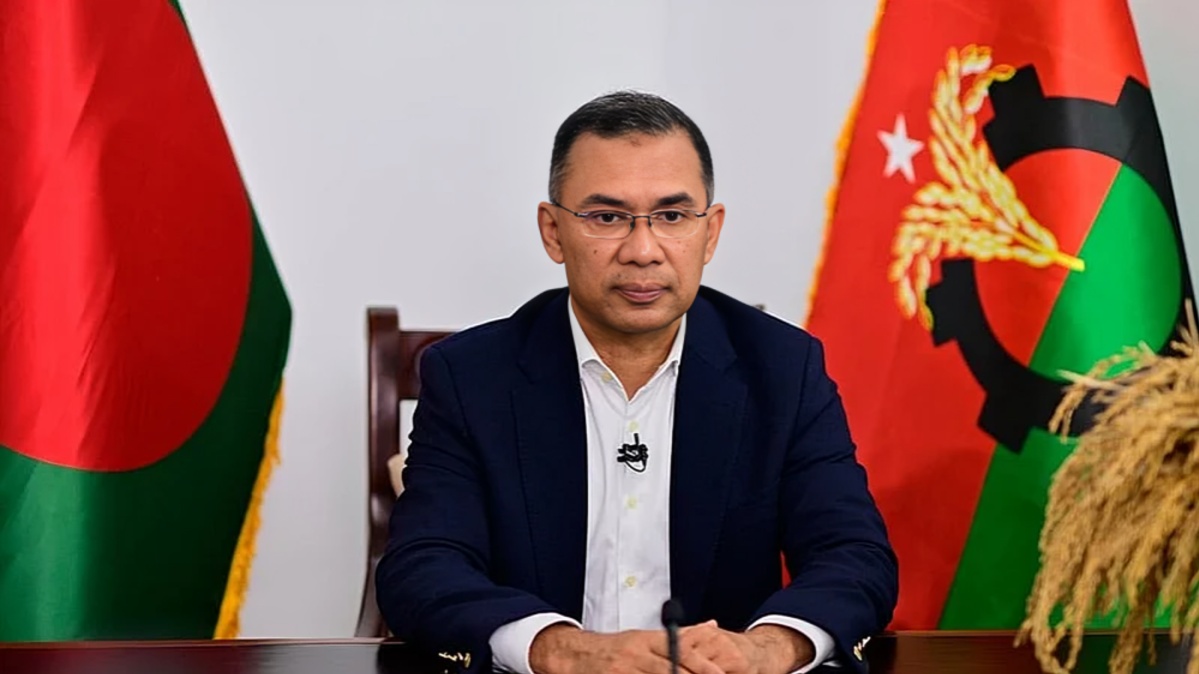
A diplomatic issue has emerged between India and Bangladesh after Jahed Ur Rahman, an aide to the Prime Minister of Bangladesh, was reportedly held for questioning for more than two hours at Delhi's Indira Gandhi International Airport. The incident has drawn attention from officials in both countries and has led to diplomatic discussions regarding the circumstances surrounding the airport screening.
According to reports, Rahman was stopped during immigration and security procedures after authorities identified a watchlist alert associated with his travel details. Officials reportedly conducted additional verification checks before allowing him to proceed. The process resulted in a delay of more than two hours, prompting concern from Bangladeshi authorities.
In response to the incident, Bangladesh's Ministry of Foreign Affairs summoned an Indian diplomat in Dhaka to seek clarification regarding the matter. Bangladeshi officials reportedly described the episode as unexpected and conveyed their concerns over the treatment of a senior government official during an official visit.
The incident has generated attention because of the close diplomatic and strategic relationship shared by India and Bangladesh. Over the years, the two neighboring countries have strengthened cooperation in areas such as trade, security, connectivity, energy and regional development. As a result, any diplomatic misunderstanding often receives significant attention from policymakers and observers.
Officials familiar with airport security procedures note that watchlist alerts can be triggered for various reasons, including verification requirements, administrative checks or security protocols. In such cases, immigration authorities are generally required to complete additional screening before granting clearance for travel.
While no official indication has been made regarding any wrongdoing by the Bangladeshi official, the delay has nevertheless prompted diplomatic engagement between the two governments. Bangladesh has sought an explanation regarding the circumstances that led to the questioning and the duration of the screening process.
Diplomatic analysts believe that such incidents are usually resolved through established communication channels between foreign ministries and diplomatic missions. They note that both India and Bangladesh have maintained strong bilateral relations and regularly engage through diplomatic mechanisms to address concerns and clarify procedural issues.
The development comes at a time when India and Bangladesh continue to cooperate on several regional initiatives. Both countries have emphasized the importance of maintaining constructive dialogue and strengthening people-to-people connections, economic partnerships and regional stability.
Observers point out that airport security measures are often implemented uniformly regardless of a traveler's official position when alerts are generated in the system. However, incidents involving senior government officials can become diplomatically sensitive because they may raise concerns regarding protocol and official treatment.
As discussions continue, officials from both sides are expected to review the circumstances surrounding the incident and work toward resolving any misunderstandings. No disruption to broader bilateral relations has been reported, and both governments are likely to handle the issue through diplomatic consultation.
The matter highlights the importance of coordination between security agencies and diplomatic authorities, particularly when senior government representatives travel internationally. Further details are expected to emerge as both countries continue their engagement on the issue.