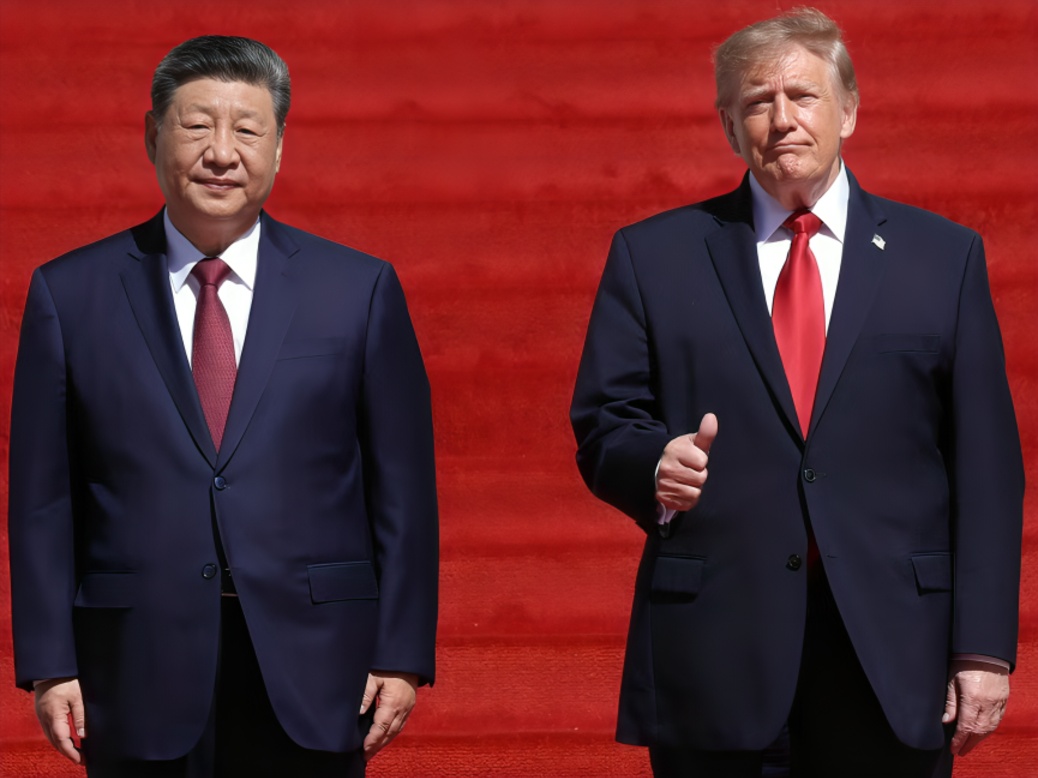
US President Donald Trump has denied discussing a possible sale of American weapons to Chinese President Xi Jinping, after US Ambassador to China David Perdue said Trump had asked Xi whether China would be interested in purchasing US weapons.
The conflicting statements emerged shortly after Xi Jinping's recent state visit to Washington, where he held talks with Trump. Perdue made the claim during a Fox News interview while discussing US arms sales to Taiwan and China's concerns over Washington's military support for Taipei.
According to Perdue, Trump had pointed out that the United States sells weapons to countries around the world and at one point asked Xi whether China would like to purchase American weapons. Perdue did not provide details about when the question was raised, what specific weapons were discussed or how Xi responded.
The comments immediately attracted attention because the United States and China remain major strategic competitors, particularly over Taiwan, military technology, trade and regional security in the Indo Pacific.
Trump was asked about Perdue's comments at the White House on Monday. The president appeared surprised by the question and initially sought clarification about whether the ambassador was referring to China or Taiwan.
Trump said he had never heard of the claim and indicated that he believed Perdue may have been referring to Taiwan rather than China. Trump also said China would probably be interested in American military equipment, but added that he and Xi had not discussed selling weapons to Beijing.
The Trump administration subsequently sought to clarify the US position. The State Department said that US law prohibits arms sales to China and that there was no offer or plan to sell weapons to Beijing.
A US official also told ABC News that the US government has no plans to sell weapons to China. The clarification effectively ruled out the possibility of an arms sale based on the remarks attributed to Trump by the ambassador.
The legal position is important because US arms exports are subject to federal controls under the Arms Export Control Act and related regulations. The State Department's statement specifically said that existing US law prevents arms sales to China.
The dispute also needs to be viewed in the context of Taiwan. The United States has longstanding security ties with Taiwan and has been a major supplier of American military equipment to the island. China strongly objects to US arms sales to Taiwan and regards Taiwan as part of its territory.
Beijing has repeatedly urged Washington to stop supplying weapons to Taiwan. The issue has remained one of the most sensitive subjects in US China relations.
Perdue's comments came while he was defending the Trump administration's position on Taiwan. During the Fox News interview, the ambassador rejected suggestions that Washington was reducing its support for Taiwan because of its relationship with Beijing. He said Trump remained supportive of Taiwan and had continued to discuss future US weapons sales to the island.
Perdue then referred to Trump's broader comments about American arms exports and said the president had asked Xi whether China would like to purchase US weapons. He did not explain whether the comment was made as a serious proposal, a negotiating remark or in another context.
The White House and State Department did not confirm Perdue's account. Instead, the State Department explicitly stated that there was no offer or plan to sell American weapons to China.
The issue is particularly significant because the United States has not maintained normal arms sales to Beijing in the same manner as it does with many other countries. According to the Associated Press, the United States last sold arms to China in the 1980s, making any return to such a policy a major change.
Trump's response therefore created a clear distinction between the ambassador's description of the conversation and the administration's official position. While Perdue said Trump had asked Xi about buying American weapons, Trump denied having discussed such a proposal and suggested that the ambassador may have meant Taiwan.
Trump also made a separate comment indicating that China might be interested in American military equipment. However, he did not announce any arms deal or policy change and said that the issue had not been discussed with Xi.
The State Department's clarification is currently the clearest official statement on the matter. It said that US law prohibits arms sales to China and that there is no offer or plan for such a sale.
The episode comes at a time when Washington and Beijing are attempting to manage several areas of disagreement while maintaining high-level diplomatic contact.
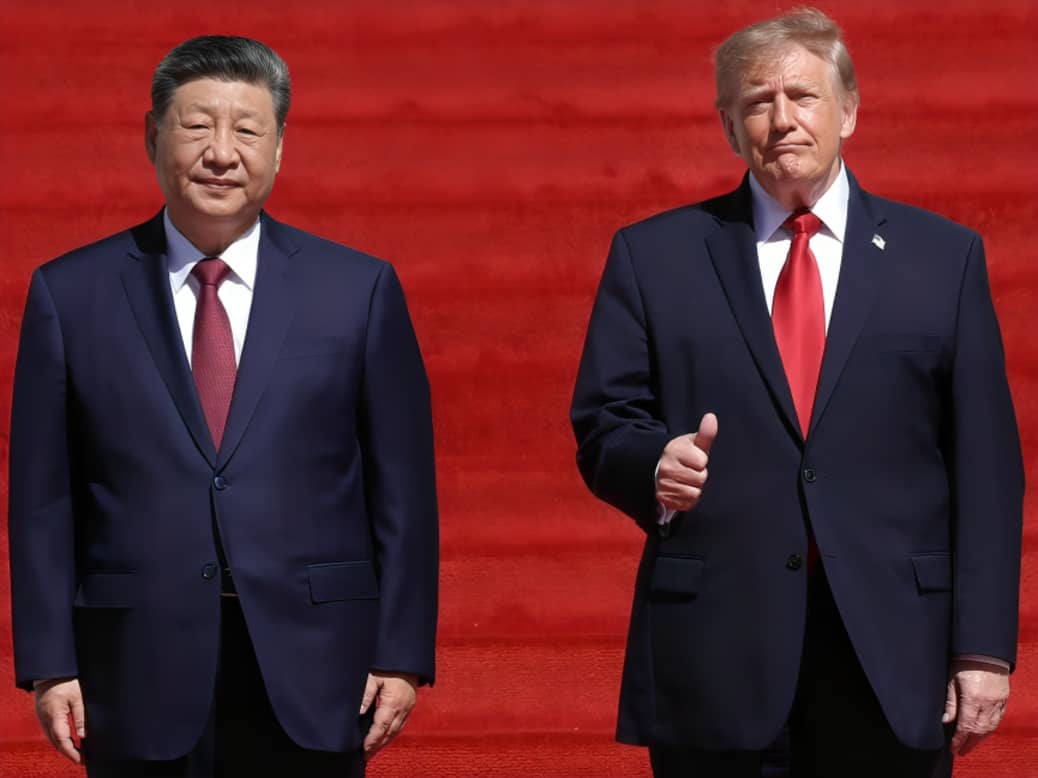
Trump and Xi recently held talks in Washington during the Chinese president's state visit. Their discussions covered several bilateral and international issues, while Taiwan remained a central area of strategic disagreement between the two governments.
China's position on Taiwan is that the island is part of China and that Beijing opposes any move toward formal Taiwanese independence. The United States does not recognise Taiwan as a separate state in the same way it recognises sovereign countries, but Washington maintains substantial unofficial relations with Taipei and provides defensive weapons to Taiwan.
US arms sales to Taiwan have frequently drawn strong criticism from Beijing. Chinese officials have argued that such sales interfere in China's internal affairs and increase tensions across the Taiwan Strait.
The Trump administration has also faced domestic debate over the timing of weapons deliveries and sales to Taiwan. According to reports, a separate multibillion dollar weapons package for Taiwan has faced delays, adding another layer to the debate over Washington's approach to Beijing and Taipei.
Against this background, Perdue's comments about a possible US arms sale to China generated considerable attention because they appeared inconsistent with established US policy and the State Department's stated legal position.
However, there is currently no evidence from the official statements that the United States has decided to change its policy on arms sales to China. The State Department has expressly said there is no offer or plan to sell weapons to Beijing.
The Chinese government also did not confirm that Xi had received an American weapons proposal. Chinese Foreign Ministry spokesperson Guo Jiakun was asked about Perdue's comments but did not confirm the reported exchange. He reiterated China's broader position that the country develops its defence capabilities according to its security needs.
The controversy is therefore centred on conflicting accounts of what was said during or around the Trump Xi discussions rather than an announced arms agreement.
For now, President Trump says he did not discuss selling weapons to China with Xi. Ambassador Perdue previously said Trump had asked Xi whether China wanted to purchase American weapons. The State Department has separately stated that US law prohibits arms sales to China and that there is no offer or plan for such a transaction.
The immediate policy position from Washington is therefore that there is no planned US arms sale to China. Any future change would require consideration of the applicable US legal and policy framework.