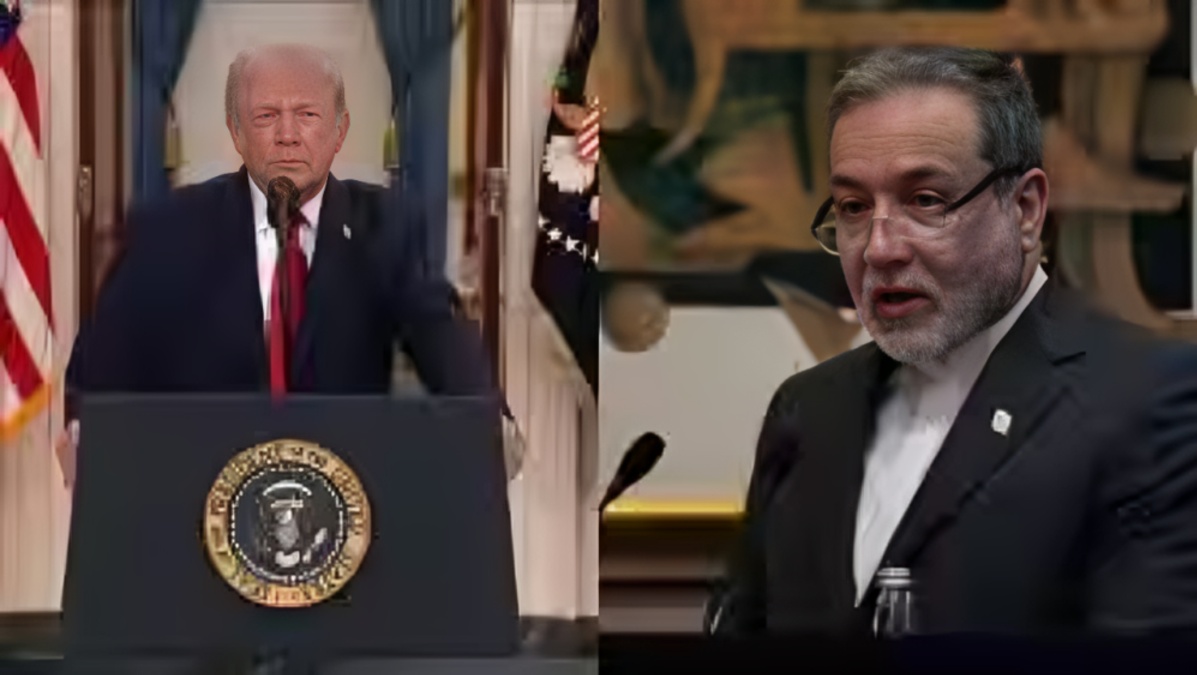
Qatari mediators are preparing to hold separate discussions with Iranian and US officials in New York as diplomatic efforts continue to find a possible way to end the ongoing conflict between Washington and Tehran.
The proposed meetings come shortly after US President Donald Trump rejected Iran’s latest seven day proposal. Despite that rejection, diplomatic contacts between the two sides have continued through regional mediators, with Qatar playing an important role in carrying messages and proposals between Washington and Tehran.
According to officials familiar with the negotiations, the Qatari mediators were expected to meet Iranian Foreign Minister Abbas Araqchi in New York and separately engage with US representatives. The discussions were expected to focus on an amended version of a seven day proposal presented by Iran during the United Nations General Assembly.
Araqchi remained in New York after attending the UN General Assembly, where Iran sought to advance diplomatic efforts over the conflict. Iranian state media reported that he would meet the mediators to examine the latest proposals and positions regarding the situation.
However, there was some uncertainty about the duration of Araqchi's stay in New York. Iranian Foreign Ministry spokesperson Esmaeil Baghaei later said that the foreign minister's stay had not been extended and that he would return to Tehran according to the original schedule.
The latest diplomatic effort follows Trump's rejection of Iran's seven day proposal. Trump said that he had rejected the proposal, which had been conveyed through indirect negotiations. At the same time, he indicated that US negotiators could continue discussions with Iran during the week.
This has allowed regional mediators to continue working despite the public disagreement between Washington and Tehran. The diplomatic channel has therefore remained open even though the two governments have not reached agreement on the terms of a ceasefire or a broader settlement.
Iran's proposal is centred on several conditions. Tehran has called for an end to hostilities in Iran and Lebanon, the release or unfreezing of Iranian assets, the easing of sanctions affecting Iranian oil exports and the lifting of the US blockade of Iranian ports.
In return, Iran has proposed reopening the strategically important Strait of Hormuz and resuming negotiations concerning its nuclear programme. The waterway has become one of the central issues in the diplomatic discussions because its disruption has affected international shipping and energy markets.
The Strait of Hormuz is one of the world's most important maritime routes for energy transportation. Any prolonged disruption to shipping through the waterway can have consequences for oil supplies, international trade and fuel prices.
The proposed seven day plan therefore links security and economic issues with the wider diplomatic dispute between Iran and the United States. Tehran has maintained that reopening the waterway would depend on Washington meeting its stated conditions.
The United States has approached the negotiations with different priorities. American officials have indicated that any broader agreement would need to address Iran's nuclear programme. Reports have said Washington is seeking concrete commitments from Tehran concerning nuclear activities and international monitoring.
According to Associated Press reporting, US officials have indicated that Washington is prepared to consider sanctions relief and the release of some frozen Iranian funds if Iran makes concrete progress on nuclear issues. However, significant differences remain over the timing and sequence of possible steps.
The diplomatic process is therefore complicated by disagreements over which measures should be implemented first. Iran has focused on ending hostilities, removing economic restrictions and reopening the Strait of Hormuz, while the United States has placed particular emphasis on nuclear commitments.
Qatar's role is important because Washington and Tehran have not been relying on direct negotiations. Instead, messages and proposals have been passed through intermediaries. Qatar has previously served as a communication channel between the United States and Iran on regional issues.
The latest discussions are also taking place against the background of the United Nations General Assembly in New York. The presence of senior officials from Iran, the United States and regional countries has provided an opportunity for diplomatic contacts to take place on the sidelines of the international gathering.
Iranian Foreign Minister Araqchi has used his time in New York to discuss Tehran's position with mediators and other officials. Iranian officials have said that Tehran is waiting for a clear response from Washington before deciding its next steps.
Trump's rejection of Iran's proposal has not completely closed the possibility of further negotiations. According to reports, the US president has indicated that American negotiators could continue discussions during the week.
This has created a situation in which the public positions of the two governments remain significantly different while diplomatic channels continue operating behind the scenes.
The proposed discussions are also taking place amid continued concern about the economic impact of the conflict. Disruption around the Strait of Hormuz has affected energy markets, while sanctions and restrictions on Iranian oil exports have added economic pressure on Tehran.
International officials and regional governments have therefore continued to support diplomatic efforts aimed at preventing further escalation. Any agreement would need to address both the immediate security situation and longer term disagreements involving Iran's nuclear programme and US sanctions.
Another important issue is the sequencing of a potential agreement. Iran's proposal calls for specific US measures before the Strait of Hormuz is reopened. Washington, meanwhile, is seeking commitments from Tehran on nuclear issues before agreeing to major concessions.
Mediators are attempting to narrow these differences by discussing revised proposals. The amended version of Iran's seven day plan is expected to form an important part of the discussions between the mediators and officials from both sides.
The latest diplomatic activity does not mean that a ceasefire has been agreed. No final settlement between the United States and Iran has been announced, and the two sides continue to differ over the conditions required to end the conflict.
The discussions also do not indicate that Trump has accepted Iran's original proposal. Instead, the mediation effort represents an attempt to explore whether modifications to the proposal could create a basis for further negotiations.
Iran has continued to emphasise that the reopening of the Strait of Hormuz is linked to its conditions concerning the conflict, sanctions and US military pressure. Washington has continued to focus on nuclear commitments and other security concerns.
The outcome of the latest mediation effort will depend on whether the two sides can find common ground on these issues. Qatar is expected to continue communicating with both sides while efforts are made to develop a revised framework.
For now, the immediate diplomatic focus is on maintaining communication and examining possible amendments to Iran's seven day proposal. The discussions in New York could provide another opportunity for Washington and Tehran to clarify their positions through intermediaries.
The United Nations and regional governments have also continued to encourage dialogue. The continuation of mediation suggests that diplomatic options remain under consideration despite Trump's rejection of the earlier proposal.
However, substantial differences remain between the two governments. Issues surrounding the Strait of Hormuz, sanctions, frozen Iranian assets, military activity and Iran's nuclear programme will all have to be addressed before any comprehensive agreement can be reached.
The latest development therefore represents a renewed diplomatic effort rather than a confirmed truce. Qatari mediators are working separately with Iranian and US officials in an attempt to bring the two positions closer together. The talks are expected to continue through indirect channels as both sides assess the latest proposals and determine whether further negotiations are possible.