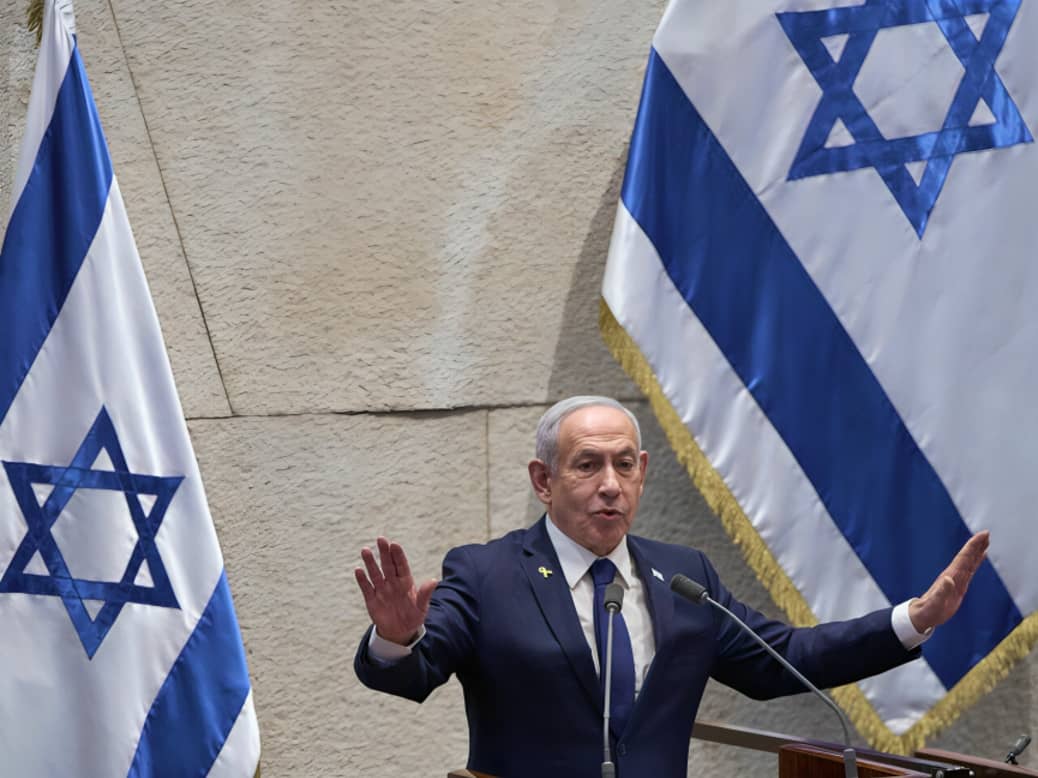
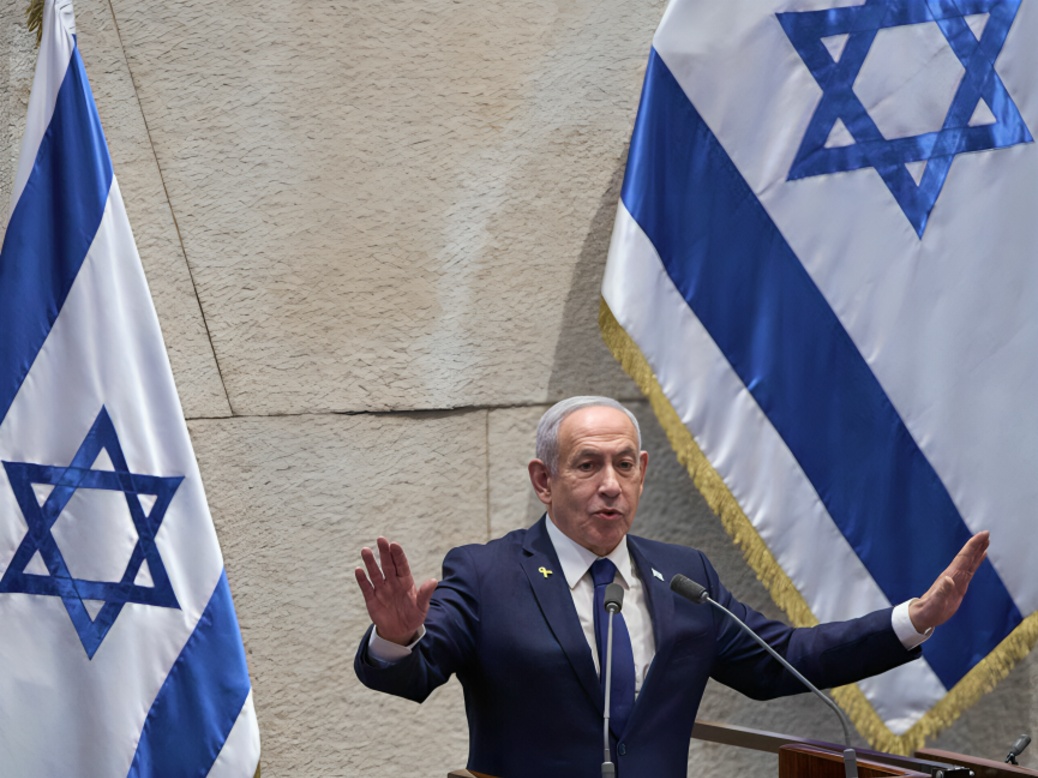
Israeli Prime Minister Benjamin Netanyahu made an unannounced visit to the United Arab Emirates and met UAE President Sheikh Mohamed bin Zayed Al Nahyan in Abu Dhabi, in a meeting that has drawn international attention because of the current regional security situation and a renewed controversy surrounding the October 7, 2023 Hamas attack.
The visit took place on Sunday and was initially reported by Israeli media before it was officially acknowledged. Reuters reported that a senior Israeli official confirmed Netanyahu’s visit. The UAE later officially confirmed the meeting through its state news agency, WAM. According to the Emirati statement, the discussions focused on bilateral relations between the UAE and Israel and ways to strengthen and develop those ties.
Israeli officials said regional security challenges were also discussed. Three senior Israeli officials cited by Reuters said the meeting lasted several hours and focused on Iran. The discussions took place against the backdrop of continuing tensions involving Israel, Iran and other actors in the Middle East. The UAE and Israel have maintained diplomatic relations since the 2020 Abraham Accords, and their security and diplomatic contacts have expanded in recent years.
However, the timing of Netanyahu’s visit has attracted particular attention because of reports concerning warnings allegedly issued before the October 7, 2023 Hamas attack.
According to reports published by Israeli media, UAE President Sheikh Mohamed bin Zayed allegedly warned Netanyahu before the attack that Hamas was preparing a major operation. Haaretz previously reported that the warning was communicated to Netanyahu approximately a week and a half before the October 7 attack. The report claimed that information linked to Hamas leader Yahya Sinwar had reached UAE officials and was subsequently raised with the Israeli prime minister.
The reported warning has become part of a wider political and security debate in Israel over whether senior officials received advance indications about Hamas preparations before October 7 and how those warnings were handled.
Netanyahu has strongly rejected the allegations. His office has denied that the UAE president warned him about an impending Hamas attack. Netanyahu has also challenged the reporting and has threatened legal action against Haaretz over the allegations.
The UAE has also not publicly confirmed the specific allegation that Sheikh Mohamed personally warned Netanyahu before the attack. Reuters reported that a UAE source previously said security matters are handled through the relevant government entities rather than directly at the level of national leaders. At the same time, the UAE has said that it maintains open communication channels with Israel.
The secret nature of the latest visit added another layer of interest. Reports said Netanyahu travelled privately to Abu Dhabi and spent several hours there before returning to Israel. The visit was not announced publicly in advance. The UAE’s later confirmation made it the first officially acknowledged meeting between the two leaders in this latest episode.
There are also differing reports about what was discussed between Netanyahu and Sheikh Mohamed. Associated Press reporting said people briefed on the meeting indicated that Netanyahu asked the UAE president to deny reports that he had warned the Israeli leader before the October 7 attack. Other reporting has focused on Iran and broader regional security cooperation as important subjects of the meeting.
Netanyahu’s office has rejected the suggestion that the UAE trip was undertaken to suppress or counter the reports about the alleged warning. The precise details of the private conversation between the two leaders have not been independently established, and some reports are based on unnamed officials or people familiar with the meeting.
The controversy comes at a sensitive time for Israeli politics. Reports about possible warnings before October 7 have generated criticism from opposition figures and protests by some Israelis. Demonstrators in Tel Aviv recently criticized the government over allegations that warnings about a possible Hamas attack were not acted upon adequately. Netanyahu and his office have rejected claims that he was given the specific warning described in the reports.
The October 7, 2023 Hamas attack resulted in the deaths of many people in southern Israel and the taking of hostages. It was followed by the prolonged Israel Gaza war and a major regional security crisis. The question of whether Israeli authorities received actionable intelligence before the attack remains part of ongoing political and public debate.
The UAE Israel relationship has also become increasingly significant because of the broader regional security environment. Since the Abraham Accords established diplomatic relations in 2020, both countries have developed political, economic and security contacts. The UAE has also maintained close relations with the United States, giving it an important diplomatic role in discussions involving regional security.
Iran was reportedly an important subject during Netanyahu’s latest discussions with Sheikh Mohamed. This is particularly significant given the current tensions involving Iran and the wider Gulf region. The UAE shares maritime and regional security concerns connected to the Strait of Hormuz and the broader Middle East security situation.
Despite the attention surrounding the visit, neither government has released a detailed transcript of the private discussions. The officially confirmed description remains that the two leaders discussed bilateral relations and ways to strengthen cooperation, while Israeli officials separately indicated that regional challenges, particularly Iran, were an important part of the talks.
The allegations surrounding the October 7 warning should therefore be treated as reported claims rather than established facts. Multiple media organisations have reported on the alleged warning, but Netanyahu has denied receiving it, while the UAE has not publicly confirmed the specific allegation. Further reporting or official disclosures could clarify what information was exchanged before the October 7 attack and what was discussed during Netanyahu’s latest meeting in Abu Dhabi.