
China has formally protested against Japan after Tokyo joined 13 other countries in reaffirming the 2016 international arbitration ruling concerning the South China Sea. The development marks another episode in the long-running diplomatic dispute over one of the world's most strategically important maritime regions.
According to official statements, the countries reiterated their support for the ruling delivered by the Permanent Court of Arbitration in The Hague in 2016. The tribunal had concluded that there was no legal basis under the United Nations Convention on the Law of the Sea for China's extensive maritime claims represented by its so called Nine Dash Line.
China has consistently rejected the tribunal's ruling, stating that it neither recognizes nor accepts the decision. Beijing maintains that it has historical rights over large parts of the South China Sea and has repeatedly declared that the arbitration process was invalid from its perspective.
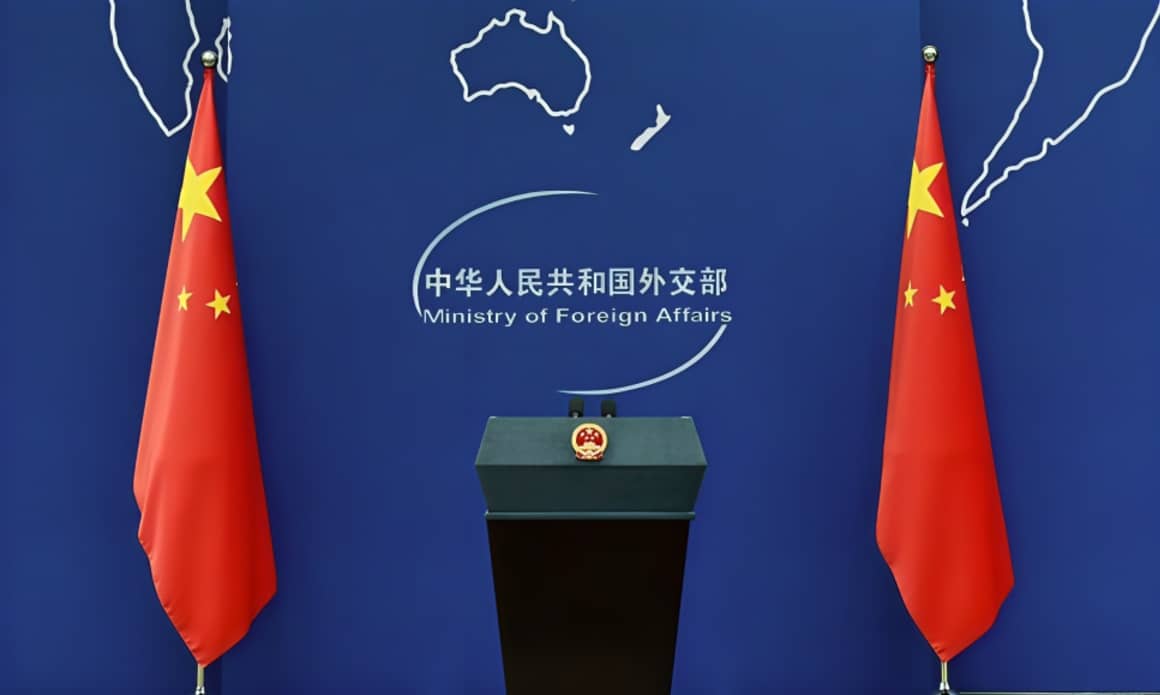
Following Japan's endorsement of the 2016 ruling alongside 13 other countries, China's Foreign Ministry lodged a formal diplomatic protest with Tokyo. Chinese officials described Japan's position as interference in regional affairs and reiterated Beijing's commitment to defending what it considers its territorial sovereignty and maritime rights.
Japan, along with the other participating countries, emphasized the importance of respecting international law, maintaining freedom of navigation and ensuring peaceful resolution of maritime disputes. The countries also called for adherence to the principles established under the United Nations Convention on the Law of the Sea.
The South China Sea remains one of the most contested maritime regions in the world. Several countries, including the Philippines, Vietnam, Malaysia, Brunei and Taiwan, have overlapping territorial and maritime claims in different parts of the sea. The region is of significant strategic importance because a substantial share of global maritime trade passes through its waters every year.
The 2016 arbitration case was initiated by the Philippines under the dispute settlement provisions of the United Nations Convention on the Law of the Sea. The tribunal ruled in favor of the Philippines on several legal issues concerning maritime entitlements and China's claims. However, the tribunal did not determine sovereignty over specific islands or land features.
China has maintained its position since the ruling was delivered and has continued to strengthen its presence in the region through infrastructure development, coast guard patrols and naval deployments. At the same time, several countries have continued to call for peaceful dialogue, adherence to international law and freedom of navigation in the South China Sea.
International observers note that the latest diplomatic exchange reflects broader geopolitical competition in the Indo Pacific region, where maritime security, international law and regional stability remain central issues.
Diplomatic discussions among the countries involved are expected to continue through bilateral and multilateral channels. Governments across the region have repeatedly emphasized the importance of avoiding escalation while pursuing peaceful and lawful solutions to maritime disputes.