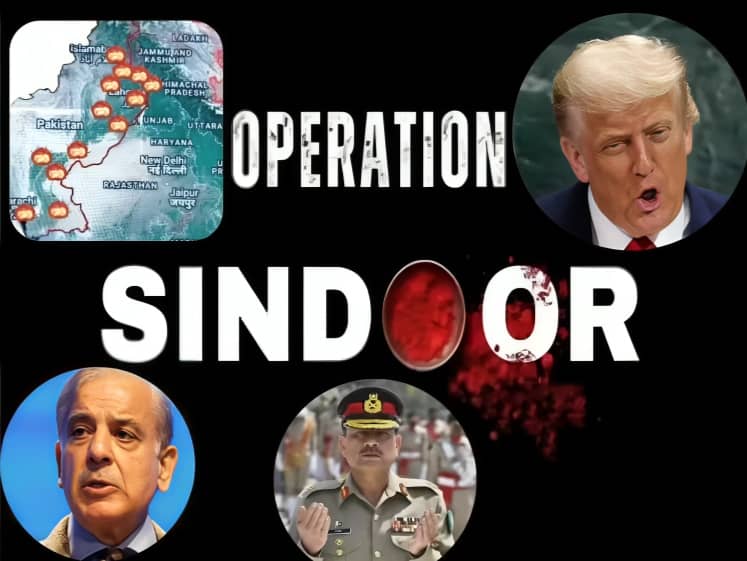

A recently amended filing under the United States Foreign Agents Registration Act has revealed details about lobbying and outreach activities conducted on behalf of the Embassy of Pakistan in Washington DC following the April 22 terror attack in Kashmir.
The filing, submitted under the Foreign Agents Registration Act, commonly known as FARA, outlines communication and public relations activities carried out in the United States in connection with diplomatic outreach after the attack. The disclosure has generated attention in diplomatic and political circles because FARA filings are designed to ensure transparency regarding activities undertaken in the US on behalf of foreign governments and organizations.
According to reports related to the filing, the outreach efforts involved communication with policymakers, media organizations and strategic stakeholders in Washington. The activities reportedly focused on presenting Pakistan’s position and addressing international reactions connected to the Kashmir terror attack and subsequent regional developments.
The Foreign Agents Registration Act requires individuals and firms representing foreign entities in political or public influence activities within the United States to publicly disclose their work, financial arrangements and communication activities. Such filings are maintained by the US Department of Justice and are available as part of public transparency measures.
The amended filing has drawn particular attention because it reportedly references activities conducted during a period of heightened diplomatic tensions in South Asia. Following the terror attack in Kashmir, political and security discussions intensified across the region, leading to increased international attention on India Pakistan relations.
Political analysts note that governments frequently engage lobbying and public relations firms in Washington to communicate policy positions, maintain diplomatic engagement and manage international perception during sensitive geopolitical situations. Similar activities are common among multiple countries seeking to influence policy discussions or media narratives in the United States.
The disclosure has also sparked political reactions in India, where several commentators and analysts have called for closer scrutiny of international lobbying activities connected to regional security issues. Discussions regarding diplomatic communication strategies and foreign policy narratives have intensified on social media and political platforms.
Meanwhile, experts on international diplomacy point out that FARA filings themselves do not imply wrongdoing but are part of legal transparency requirements under US law. The system is intended to ensure that activities carried out on behalf of foreign principals are publicly documented and monitored.
The Kashmir issue continues to remain a sensitive and internationally discussed subject, particularly after incidents related to terrorism and cross border tensions. Diplomatic engagements by both India and Pakistan often increase following major security developments in the region.
Observers believe the latest FARA disclosure could lead to further debate about how governments use lobbying firms, strategic communication agencies and diplomatic outreach mechanisms to shape international opinion during periods of geopolitical tension.
The development also highlights the growing importance of public diplomacy and information management in global politics. Governments increasingly rely on professional lobbying and communication networks to engage with policymakers, media institutions and international organizations.
As attention continues to focus on regional security and diplomatic relations in South Asia, the newly revealed filing is expected to remain part of broader discussions concerning international lobbying practices, foreign policy communication and transparency regulations in the United States.