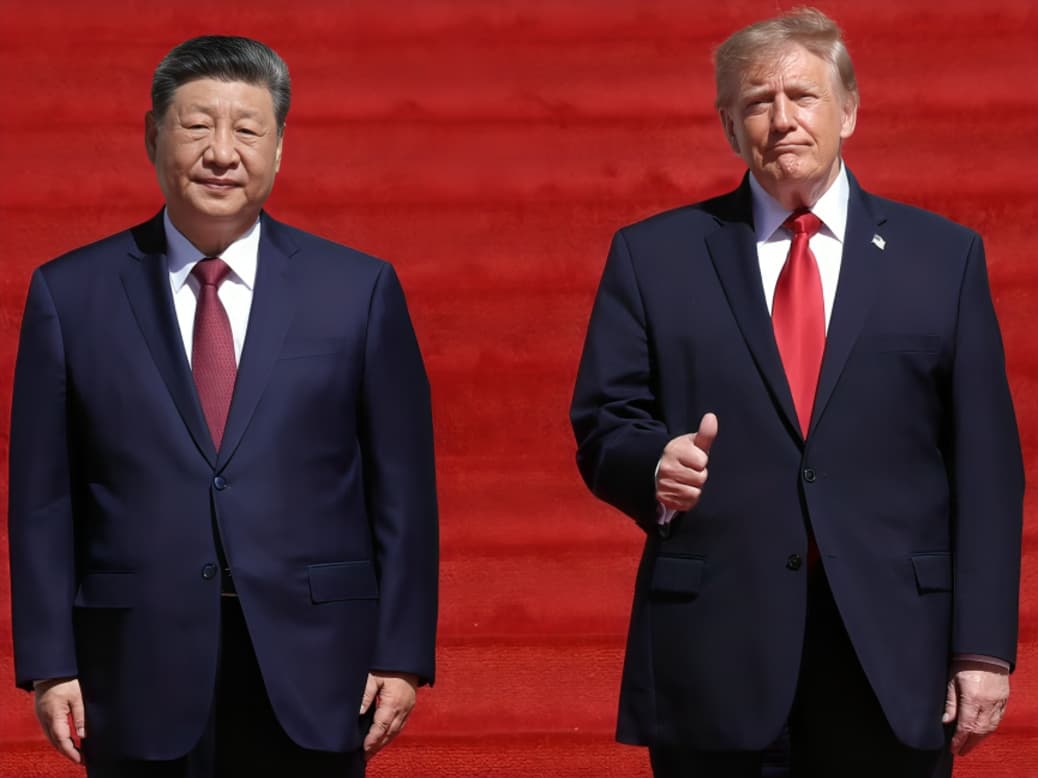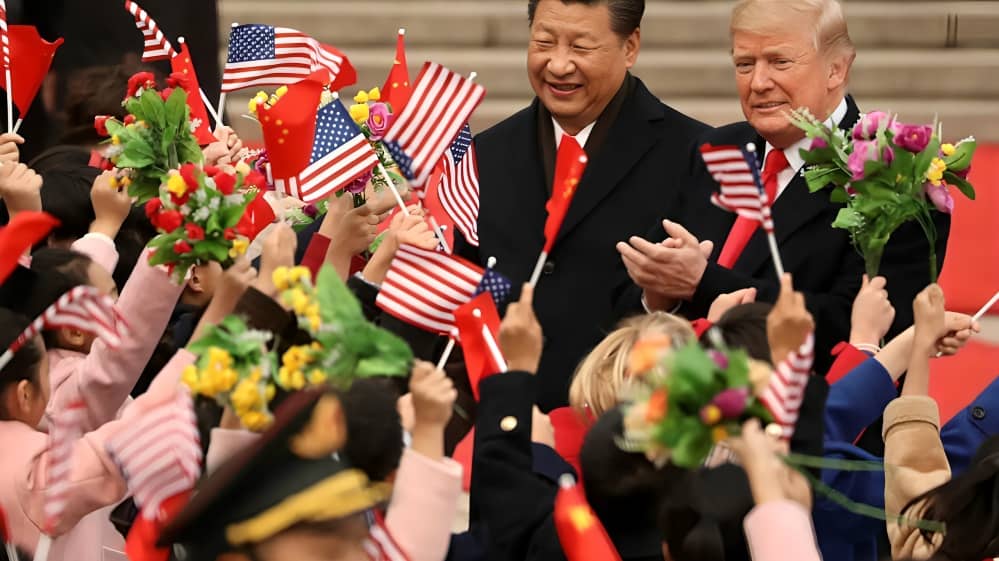

International attention has shifted toward Beijing as Donald Trump travels to meet Chinese President Xi Jinping during a period of heightened geopolitical tensions involving Iran, Israel, and the Gulf region. The visit comes amid ongoing diplomatic uncertainty, regional security concerns, and discussions surrounding international stability.
According to reports, Kuwait recently intercepted an alleged infiltration attempt linked to members associated with Iran’s Islamic Revolutionary Guard Corps. Security developments in the Gulf region have increased concerns regarding the fragile ceasefire situation and broader regional stability.
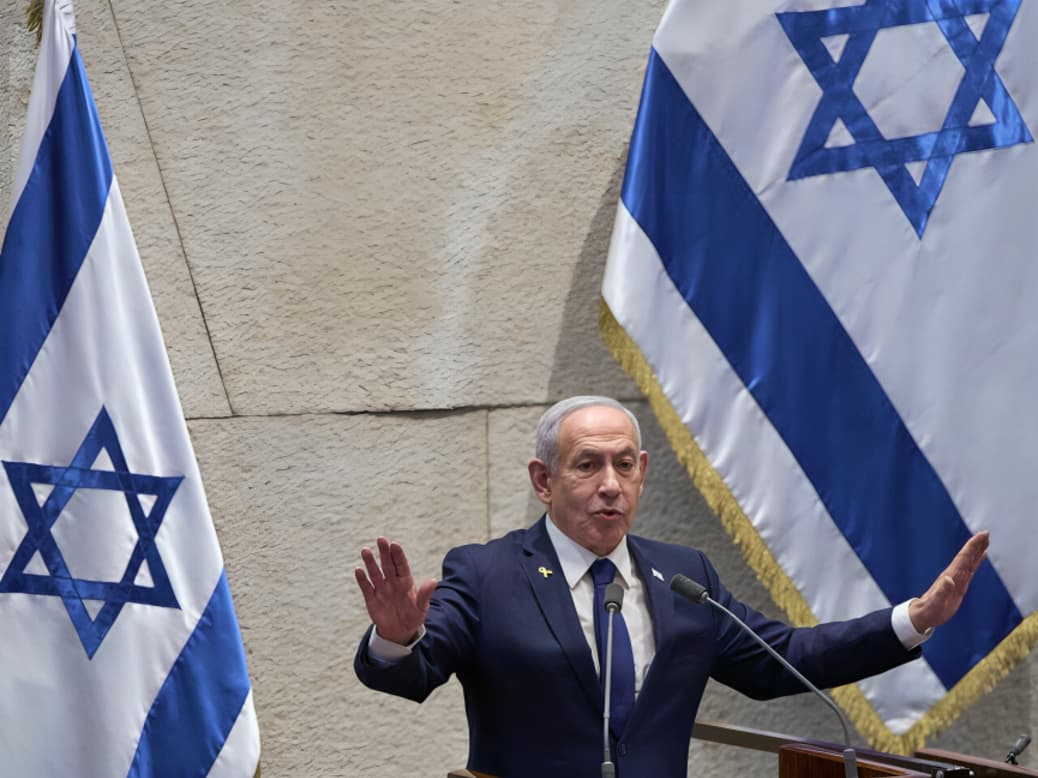
The Middle East continues to remain under close international observation following tensions involving Iran and Israel. Diplomatic efforts by several global powers are currently focused on preventing further escalation while maintaining communication channels between involved parties.
Donald Trump stated that trade and economic issues would form an important part of his discussions with Xi Jinping. However, international observers believe that developments related to Iran, regional security, energy stability, and military activity are also expected to feature prominently during the talks.
Chinese officials have consistently advocated diplomatic dialogue and peaceful resolution of international disputes. As one of the world’s largest economies and a major global power, China’s role in international geopolitical discussions has continued to expand in recent years.
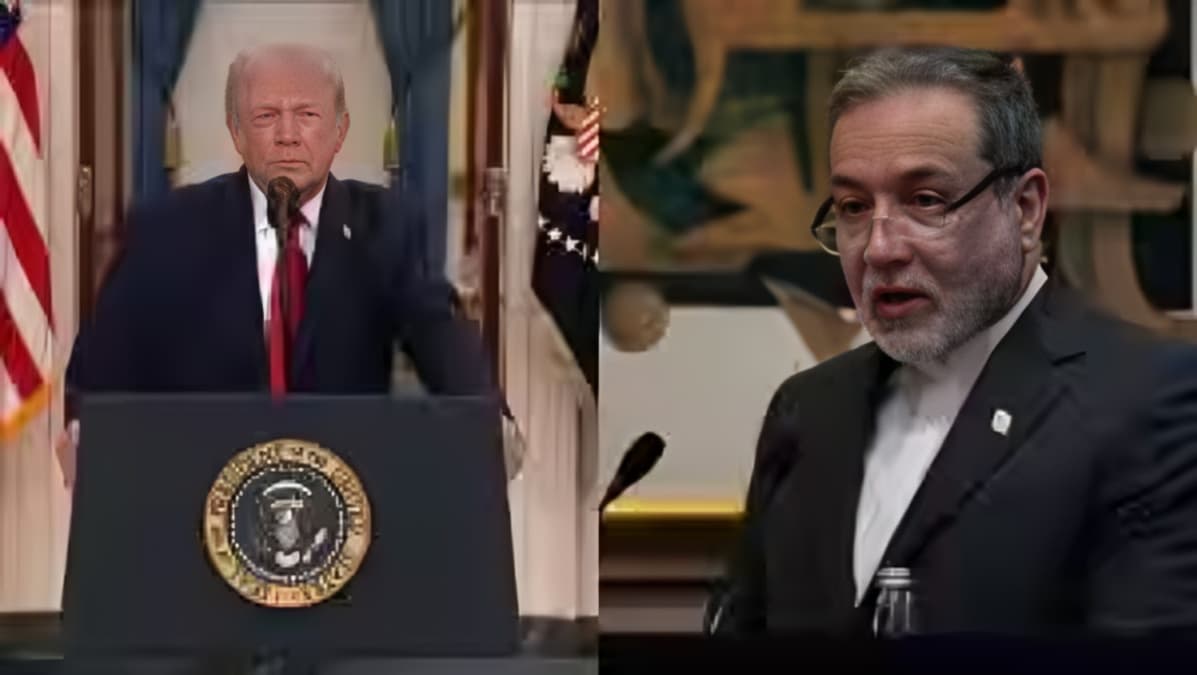
Meanwhile, Iranian officials have reportedly accused the United States and Israel of creating narratives to justify military actions and increase pressure on Tehran. These accusations have added further complexity to the already sensitive diplomatic environment in the region.
Security analysts note that ceasefire conditions in the Gulf region remain uncertain, with reports of continued military operations and regional tensions contributing to instability. Concerns regarding shipping routes, energy supply chains, and regional alliances have also remained central to international discussions.
Reports of ongoing Israeli military activity in parts of Lebanon have further increased regional tensions. International organisations and diplomatic observers continue to monitor developments closely due to fears that broader regional escalation could impact global security and economic stability.
Global energy markets are also paying close attention to the situation because instability in the Middle East can influence international oil prices, shipping routes, and supply chains. Experts say geopolitical uncertainty in the Gulf region often affects global financial and energy markets.
Diplomatic observers believe the meeting between Donald Trump and Xi Jinping may provide an opportunity for discussions on wider international coordination regarding conflict management and economic stability. Relations between the United States and China remain important for global trade, technology, and international diplomacy.
The summit comes during a period of increasing geopolitical competition among major powers. International security issues, trade tensions, artificial intelligence, energy concerns, and regional conflicts are becoming closely interconnected in diplomatic discussions worldwide.
Experts also note that international diplomacy often becomes particularly important during periods of regional instability because direct communication between major world leaders can help reduce misunderstandings and support conflict prevention efforts.
Governments across different countries continue to monitor the situation carefully while encouraging diplomatic solutions and regional stability. International organisations and allied nations are also expected to remain actively involved in discussions related to ceasefire implementation and conflict management.
Overall, the evolving geopolitical developments involving Iran, Israel, the Gulf region, and major global powers have created a highly sensitive international environment. Donald Trump’s visit to China and ongoing diplomatic efforts are likely to play an important role in shaping future discussions on regional security, global stability, and international cooperation