
A senior official of Yemen's Houthi movement has alleged that former Iranian Supreme Leader Ayatollah Ali Khamenei was targeted by the United States and Israel because of his long standing support for the Palestinian cause. The remarks were made during funeral ceremonies held in Tehran and were reported by Iranian state media.
According to reports, Mohammed al Bukhaiti, a member of the political bureau of the Houthi movement, stated that Ayatollah Ali Khamenei's support for Palestine and his influence across the Muslim world were among the reasons he became a target. He described the late Iranian leader as a symbol of resistance and said his political and ideological views inspired people in several countries.
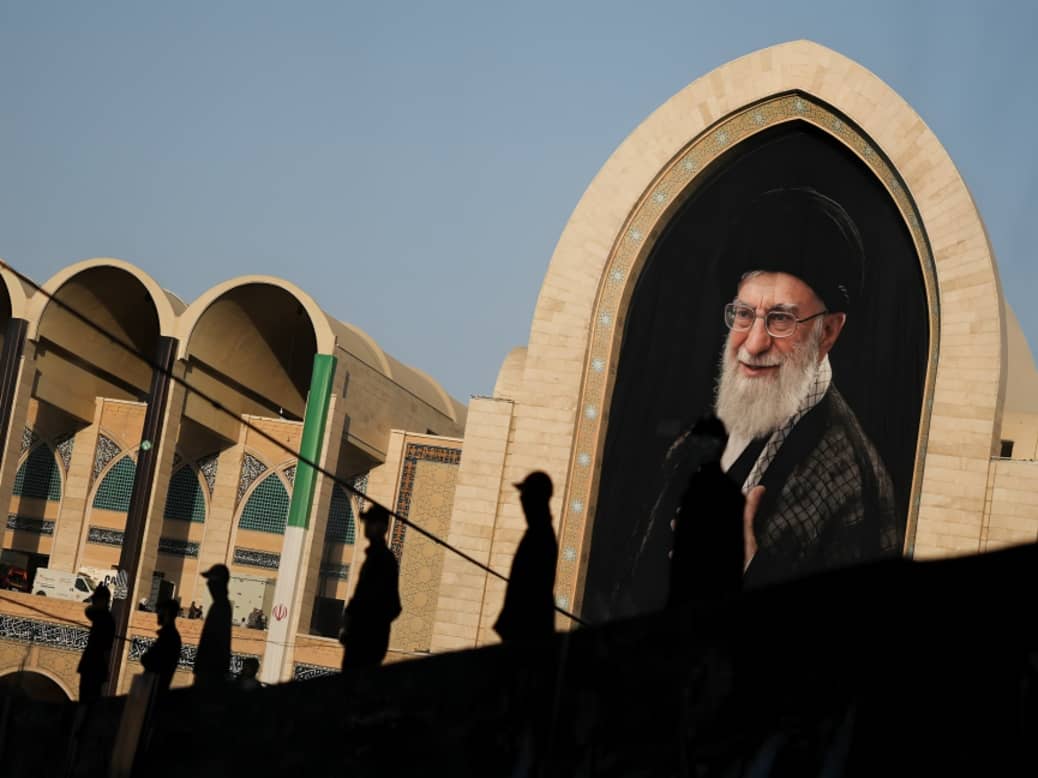
The statement was delivered while Iran continued funeral ceremonies for Ayatollah Ali Khamenei, who was killed during the recent conflict involving Iran, the United States, and Israel. Large crowds gathered in Tehran to pay their respects, and the funeral processions are scheduled to continue in multiple cities before the final burial ceremony. Iranian authorities have organised extensive security and logistical arrangements for the events.
The Houthi official's comments represent the position of the movement and have not been independently verified. At the time of the statement, there was no immediate official response from either the United States or Israel specifically addressing the allegation regarding the motive for the attack. Publicly available official statements from those governments have not confirmed the claim made by the Houthi leader.
The Houthis, also known as Ansar Allah, are an armed movement based in Yemen and are considered a close regional ally of Iran. The group has consistently expressed support for Palestinian organisations and has frequently criticised the policies of the United States and Israel in the Middle East. The latest remarks are consistent with the movement's long standing political position on regional affairs.
Ayatollah Ali Khamenei served as Iran's Supreme Leader for more than three decades and played a central role in shaping the country's domestic and foreign policies. During his leadership, Iran maintained support for several regional groups that it described as part of the Axis of Resistance. This policy remained a major point of disagreement between Iran and both the United States and Israel.
The funeral ceremonies have drawn delegations and participants from several countries and have become one of the largest public gatherings held in Iran in recent years. Iranian officials have called for peaceful participation while maintaining heightened security throughout the events. Authorities have also imposed traffic restrictions and additional security measures in Tehran and other locations hosting memorial programmes.
The comments made by the Houthi official have received attention across the Middle East because they come amid continuing regional tensions following the recent conflict. Political analysts note that statements from regional groups often reflect their own political positions and should be distinguished from independently established facts.
As developments continue, further official reactions from governments and international organisations may emerge. The broader regional situation remains under close observation as diplomatic efforts and security developments continue following the conflict and the death of Ayatollah Ali Khamenei.