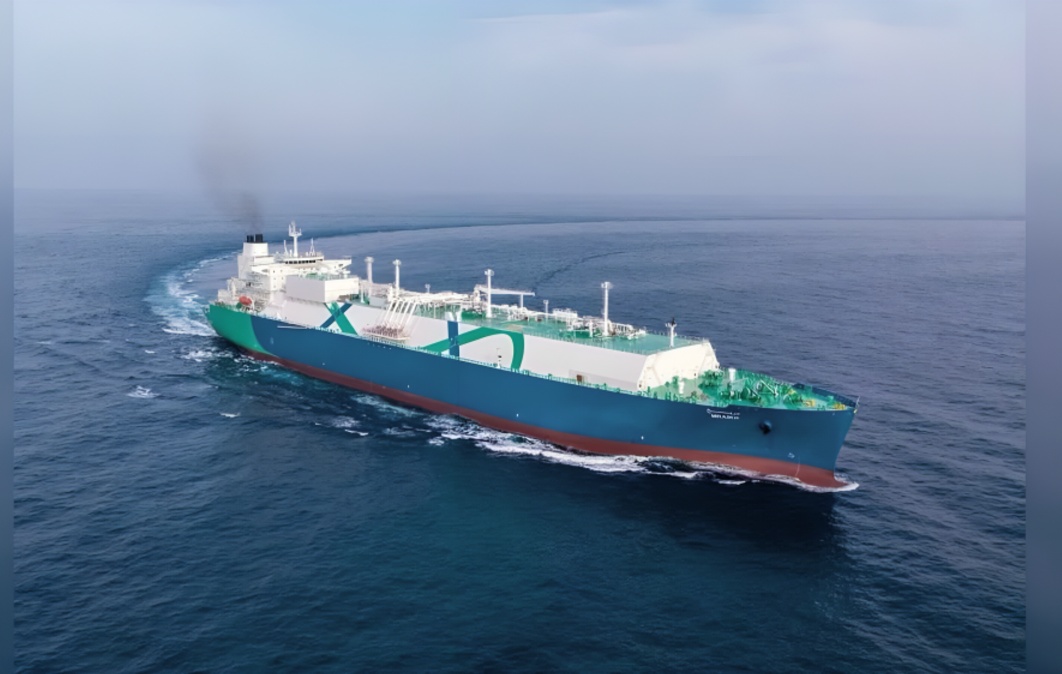
India's energy sector received a significant boost as the liquefied natural gas carrier Disha successfully arrived at Dahej Port in Gujarat carrying 62,370 metric tonnes of LNG. The vessel's arrival is particularly noteworthy because it navigated through the Strait of Hormuz during a period marked by heightened tensions in West Asia and disruptions to international shipping routes.
The Maltese-flagged vessel reached the Petronet LNG terminal at Dahej on Friday and safely anchored at the designated jetty. According to port authorities, all operational procedures were completed smoothly, ensuring the secure unloading of the cargo destined for India's growing energy needs.
The arrival of Disha is being viewed as an important development for India's energy supply chain. The Strait of Hormuz remains one of the world's most critical maritime chokepoints, serving as a major route for oil and natural gas exports from the Gulf region. A substantial portion of India's energy imports passes through this narrow waterway, making uninterrupted navigation essential for the country's energy security.
The vessel is managed by a consortium led by the Shipping Corporation of India and is chartered by Petronet LNG Limited, one of India's leading LNG importers. Officials noted that Disha became one of the first LNG carriers to successfully reach India after navigating the Strait of Hormuz amid recent geopolitical tensions in West Asia.
The successful voyage comes shortly after diplomatic developments aimed at easing regional tensions. Reports indicate that initial efforts toward a peace agreement between the United States and Iran have contributed to improving conditions for commercial shipping in the region. While maritime traffic is gradually returning to normal levels, shipping companies and authorities continue to monitor the situation closely.
During an inter-ministerial briefing, officials from the Ministry of Ports, Shipping and Waterways highlighted the significance of the vessel's journey. According to government representatives, Disha crossed the Strait of Hormuz on June 15 before continuing its voyage toward India. The transit demonstrated that shipping operations through the strategic route are beginning to stabilize after a period of uncertainty.
Industry experts point out that liquefied natural gas plays a vital role in India's energy transition strategy. LNG is widely used for power generation, industrial operations, transportation, and city gas distribution networks. Ensuring a reliable supply of LNG is therefore crucial for maintaining economic growth and meeting the country's increasing energy demand.
The Dahej LNG terminal in Gujarat is one of India's most important energy infrastructure facilities. Operated by Petronet LNG Limited, the terminal handles significant volumes of imported natural gas and serves as a key gateway for energy supplies entering the country. Cargoes arriving at Dahej are distributed through extensive pipeline networks to consumers across multiple states.
The successful arrival of Disha also underscores the resilience of India's maritime and energy sectors in managing supply chain challenges during periods of geopolitical uncertainty. Government agencies, port authorities, and shipping operators continue to work together to ensure uninterrupted movement of essential commodities.
As global energy markets closely watch developments in West Asia, the arrival of the LNG carrier at Dahej provides reassurance regarding the continuity of India's energy imports. The voyage highlights the strategic importance of maritime trade routes and the critical role they play in supporting the nation's energy security and economic stability.