
Tensions between Iran and the United States have escalated further after Iran accused Washington of violating a ceasefire agreement following reported attacks on strategic locations near the Strait of Hormuz. According to reports, Iranian authorities claimed that strikes targeted areas including Bandar Abbas, Qeshm Island, and Minab, as well as a naval checkpoint in the region.
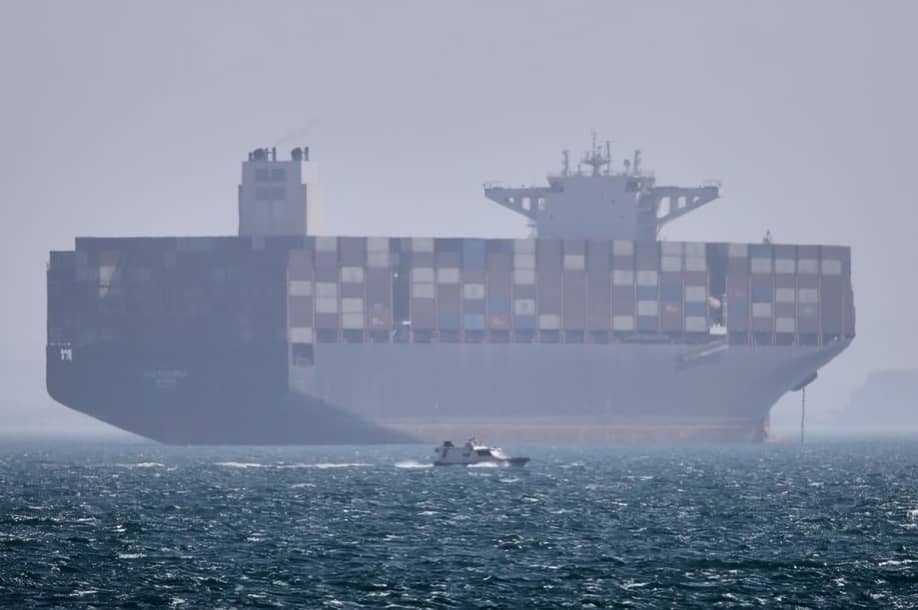
The Strait of Hormuz is one of the world’s most critical maritime corridors, responsible for a significant share of global oil transportation. Any disruption in this area has the potential to impact international energy markets and global trade routes, making the latest developments a matter of global concern.
Iranian officials have alleged that the United States carried out military actions that amounted to a breach of the ceasefire understanding. These claims have intensified diplomatic tensions and raised fears of renewed escalation in the already volatile region.
In response, United States Central Command stated that its forces intercepted Iranian missiles and drones that were reportedly aimed at US Navy destroyers operating in the region. According to the statement, the US military conducted what it described as self defence strikes against Iranian military sites following the attempted attacks.
The conflicting accounts from both sides highlight the complexity and sensitivity of the ongoing situation. While Iran accuses the United States of initiating strikes in violation of ceasefire terms, US officials maintain that their actions were defensive measures taken in response to direct threats.
Military analysts note that the use of drones and missile systems has significantly changed the nature of modern conflict in the region. Such technologies allow for rapid, long distance strikes and counterstrikes, increasing the risk of miscalculation and escalation.
The Strait of Hormuz remains a key strategic point due to its role in global oil exports. Any military activity in or near this waterway is closely monitored by international shipping companies, energy markets, and global security agencies. Even limited disruptions can have widespread economic consequences.
Diplomatic efforts to reduce tensions in the region have faced repeated challenges due to deep political disagreements between Iran and the United States. Issues involving sanctions, nuclear policy, regional influence, and military presence continue to contribute to instability.
International observers have expressed concern that continued exchanges of attacks could undermine fragile ceasefire arrangements and lead to broader regional conflict. Calls for restraint and renewed dialogue have been made by several global stakeholders.
Security experts believe that verification of incidents and clear communication channels between the involved parties are essential to prevent further escalation. Without such mechanisms, misunderstandings or conflicting interpretations of events could quickly intensify tensions.
The situation has also drawn attention from global energy analysts, who warn that instability in the Gulf region could impact oil prices and supply chains worldwide. Shipping routes passing through the Strait of Hormuz are considered vital for global economic stability.
As both sides continue to present differing versions of events, the international community is closely watching developments for signs of de escalation or further military activity. The coming days are expected to be crucial in determining whether tensions can be contained or if the situation will continue to deteriorate.