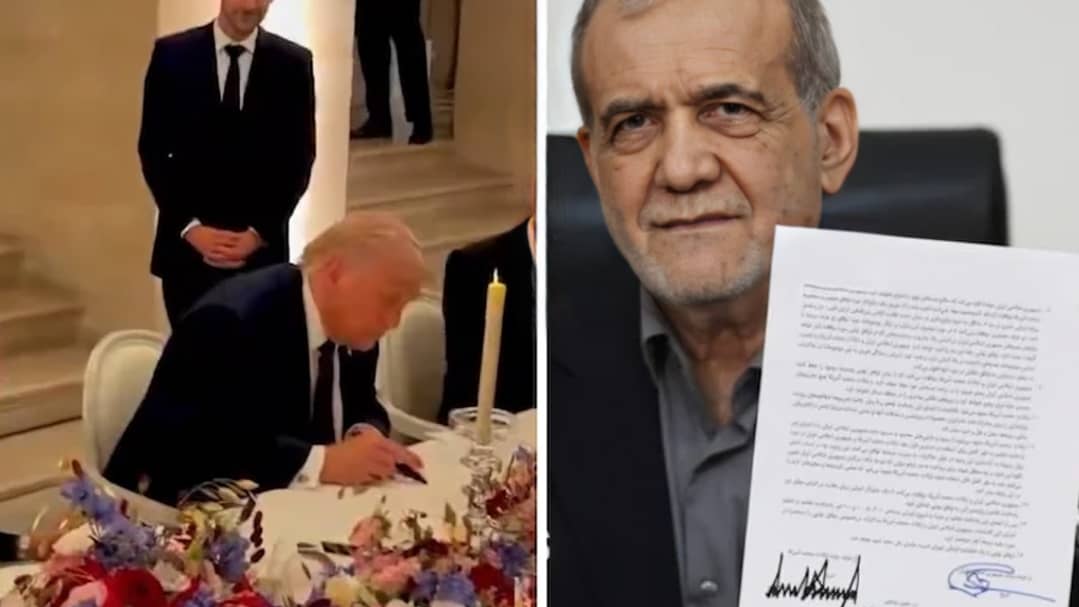

Iran has reportedly agreed to dilute parts of its enriched uranium reserves under a significant diplomatic agreement reached with the United States. The development is being viewed as an important step in efforts to reduce tensions surrounding Iran's nuclear program and strengthen international confidence in the peaceful nature of its nuclear activities.
The reported agreement focuses on measures designed to prevent the use of nuclear materials for weapons development while supporting a framework for continued diplomatic engagement. One of the key provisions involves the management of Iran's existing uranium stockpile through dilution and monitoring mechanisms intended to reduce proliferation concerns.
Uranium enrichment has long been one of the most sensitive issues in international discussions involving Iran. While enriched uranium can be used for civilian purposes such as energy production and scientific research, higher levels of enrichment raise concerns among governments and international organizations regarding the potential development of nuclear weapons.
Under the reported framework, Iran is expected to reduce the concentration of enriched uranium by diluting portions of its stockpile. This process lowers the enrichment level of the material, making it less suitable for military applications and more consistent with civilian nuclear activities. Experts note that dilution is one of several internationally recognized methods used to address concerns about excess enriched uranium.
The agreement may also include provisions related to the storage, monitoring, and verification of nuclear materials. International oversight mechanisms are often considered essential components of such arrangements because they help ensure compliance with agreed commitments and build confidence among participating countries.
Supporters of the agreement argue that diplomatic engagement offers a constructive path toward reducing regional tensions and promoting stability. They believe that transparent nuclear safeguards can contribute to greater international trust while creating opportunities for economic cooperation and improved diplomatic relations.
The reported deal has also generated interest because of its potential economic implications. Analysts suggest that progress on nuclear-related commitments could create conditions for discussions regarding sanctions relief and increased economic engagement. Any such measures would likely depend on continued compliance with the terms of the agreement and the outcome of future negotiations.
Despite the positive reaction from some quarters, challenges remain. Nuclear agreements often require detailed implementation plans, ongoing inspections, and sustained political commitment from all parties involved. Differences over regional security issues and broader geopolitical concerns may continue to influence future negotiations.
International observers have welcomed efforts to resolve disputes through diplomacy rather than confrontation. Many experts believe that agreements involving nuclear materials require long-term cooperation and transparency to achieve lasting results. They emphasize that successful implementation will depend on verification measures, mutual trust, and continued dialogue.
The reported understanding between Iran and the United States represents a potentially significant development in international diplomacy. If implemented effectively, the agreement could contribute to reducing nuclear-related tensions, strengthening regional stability, and opening the door to further diplomatic and economic cooperation.