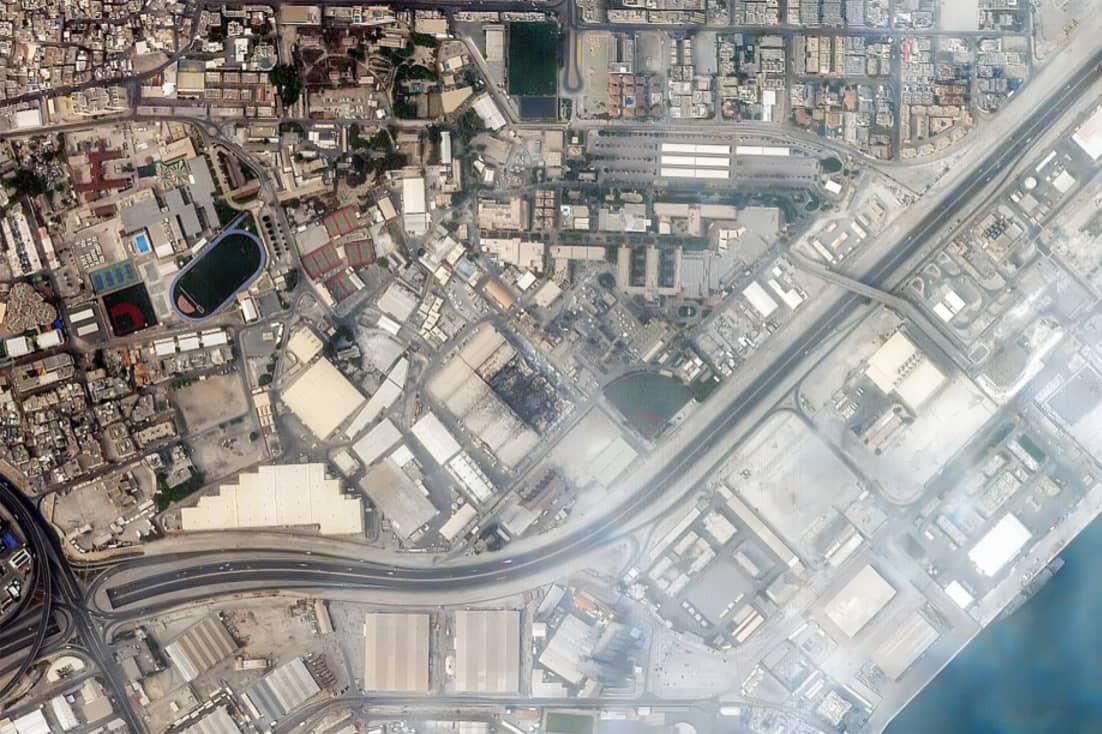

The security situation in the Middle East has drawn renewed international attention following reports of increased tensions between Iran and the United States. Iranian authorities have claimed that a drone operation targeted facilities associated with the United States Fifth Fleet in Bahrain, a development that comes amid a period of heightened military and diplomatic strain in the region.
According to statements carried by Iranian media outlets, the reported operation was conducted in response to recent US military actions. Iranian officials described the incident as part of a broader retaliatory response. However, details regarding the extent of any damage, casualties, or operational impact were not immediately verified by independent sources.
United States officials have not publicly confirmed the Iranian claims at the time of reporting. Military authorities are expected to conduct assessments and provide further information as investigations continue. In situations involving active military tensions, governments often release information gradually as facts are verified.
The US Fifth Fleet, headquartered in Bahrain, plays a significant role in maritime security operations across the Persian Gulf, Arabian Sea, Red Sea, and surrounding waterways. The fleet supports regional security missions, protects international shipping routes, and works with allied nations on defense cooperation initiatives.
The reported incident has heightened concerns about the possibility of further escalation in an already sensitive region. Security analysts note that military exchanges between rival powers can have broader implications for regional stability, international trade, and global energy markets. The Gulf region remains one of the world's most strategically important areas due to its role in global energy supplies and maritime commerce.
Regional governments and international organizations have repeatedly emphasized the importance of diplomacy and restraint during periods of heightened tension. Several countries have called for dialogue and de-escalation measures to prevent the situation from developing into a wider conflict.
Military experts caution that information emerging during active geopolitical disputes may be incomplete or disputed. Claims made by one side often require verification through independent sources, satellite imagery, intelligence assessments, or official investigations before they can be fully confirmed.
The latest developments have also raised questions about regional security preparedness and the effectiveness of existing mechanisms designed to prevent military escalation. Governments across the Middle East continue to monitor the situation closely and evaluate potential implications for national security.
Financial markets and shipping companies are also paying close attention to developments in the Gulf region. Any increase in military activity near major shipping lanes can affect global trade routes and energy transportation networks.
As authorities continue to assess the reported incident, further statements from Iran, the United States, Bahrain, and international organizations are expected in the coming days. Diplomatic engagement is likely to remain an important factor in efforts to reduce tensions and maintain stability.
The situation remains fluid, and additional verified information may emerge as investigations and official reviews progress. International observers continue to monitor developments closely as governments work to manage the security challenges arising from the latest reports.