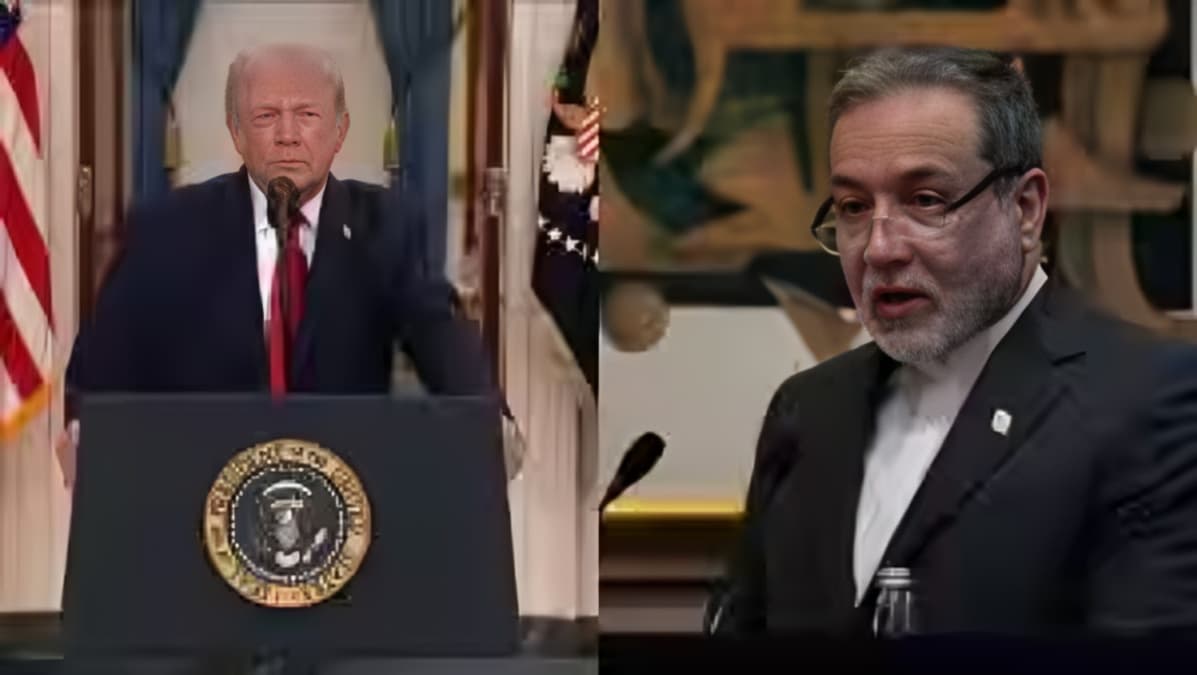
vFresh uncertainty has emerged over diplomatic engagement between Iran and the United States after conflicting statements regarding possible high level talks. While United States President Donald Trump stated that discussions with Iranian representatives were expected to take place in Doha, Iranian authorities have denied that any formal negotiations have been scheduled.
The differing public statements have created uncertainty regarding the next phase of diplomatic engagement between the two countries. Although both sides have expressed support for maintaining dialogue and reducing tensions, no mutually confirmed schedule for official negotiations has been announced.
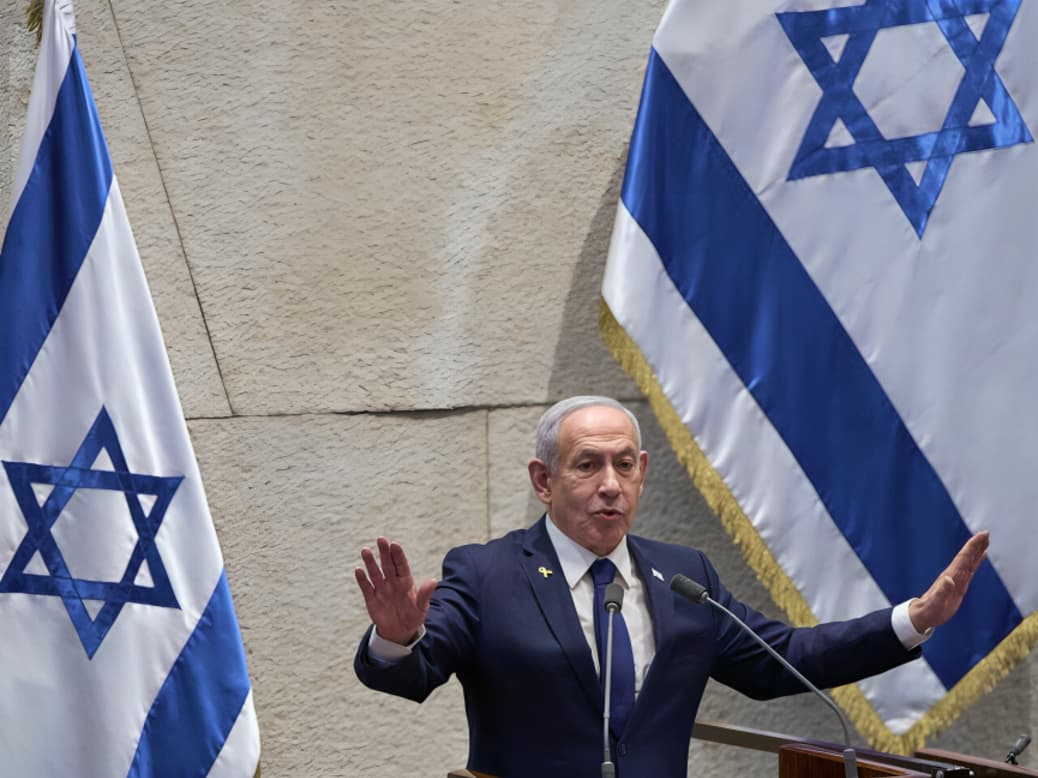
The latest developments come against the backdrop of continued instability across the Middle East. Military operations involving Israel in Gaza, Lebanon and Syria continue to attract international attention, with several regional governments expressing concern over the security situation. Some countries have called for restraint and renewed diplomatic efforts to prevent further escalation.
At the same time, international observers continue to monitor developments in the Strait of Hormuz, one of the world's most strategically important maritime routes for global energy supplies. Any increase in regional tensions affecting this corridor has the potential to influence international oil markets and global trade.
Diplomatic efforts involving multiple countries have focused on maintaining communication between regional stakeholders while encouraging measures aimed at reducing conflict. International organizations and several governments have repeatedly emphasized the importance of dialogue, respect for international law and the protection of civilians affected by ongoing hostilities.
The United States and Iran have experienced a complex diplomatic relationship over several decades, with periods of negotiation followed by renewed tensions. In recent months, international attention has remained focused on whether diplomatic channels could contribute to reducing regional instability and preventing further escalation.
Meanwhile, Israel's ongoing military operations in different parts of the region continue to generate diplomatic reactions from neighbouring countries and international organizations. Several governments have expressed concern regarding the humanitarian and security implications of continued military activity and have called for peaceful solutions through dialogue.
Global financial and energy markets are also closely following developments because the Middle East remains one of the world's most significant energy-producing regions. Market analysts note that geopolitical uncertainty can influence crude oil prices, shipping activity and broader economic conditions depending on future developments.
Despite the current uncertainty, diplomatic contacts among various regional and international stakeholders continue. Governments have emphasized the importance of maintaining communication channels and preventing actions that could further increase regional instability.
The situation remains fluid, and official statements from the governments involved are expected to provide greater clarity regarding any future negotiations or diplomatic initiatives. International observers continue to monitor developments as policymakers seek to balance regional security concerns with ongoing diplomatic efforts.
As events continue to evolve, the international community is expected to closely watch official announcements from Iran, the United States and other regional governments regarding future diplomatic engagement and efforts to promote stability in the Middle East.