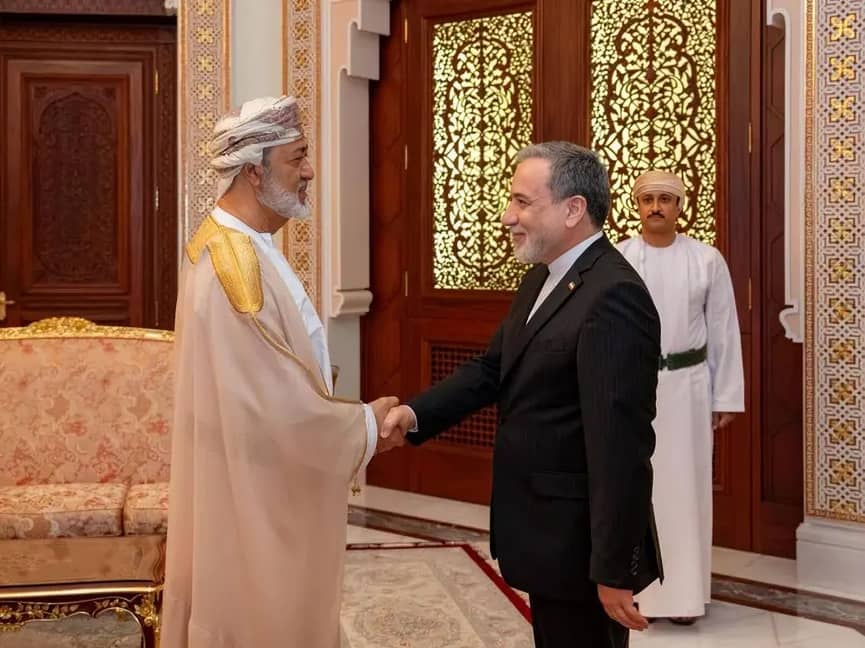

Iran has revealed that it is engaged in discussions with Oman to develop a new mechanism for managing maritime transit and security operations in the strategically vital Strait of Hormuz. The talks come at a time of heightened geopolitical tensions and increased international focus on one of the world’s most important shipping corridors.
Iranian Foreign Ministry officials stated that the proposed mechanism is intended to ensure safe navigation for commercial vessels passing through the Strait of Hormuz while also addressing regional security concerns. Iranian authorities have described the discussions as part of ongoing consultations with Oman and other regional stakeholders aimed at maintaining stability in the waterway.
The Strait of Hormuz connects the Persian Gulf to the Gulf of Oman and is considered one of the most strategically significant maritime routes in the world. A substantial portion of global crude oil and liquefied natural gas exports passes through the narrow waterway every day. Any disruption in the region often affects global energy markets, shipping operations and international trade.
According to reports, Iranian officials have indicated that the proposed arrangement with Oman could include closer coordination on monitoring vessel movement and ensuring maritime safety. Some reports have suggested that discussions may also involve broader proposals related to shipping oversight and navigation management in the area.
The latest developments come after weeks of regional instability and tensions linked to conflicts involving Iran and Western powers. Maritime traffic through the Strait of Hormuz has faced disruptions in recent months due to security concerns, leading to increased insurance costs and operational challenges for shipping companies.
Oman has traditionally played an important diplomatic role in the Gulf region and has often acted as a mediator during regional disputes. Analysts believe Oman’s involvement in discussions related to the Strait of Hormuz could help reduce tensions and support negotiations aimed at ensuring uninterrupted maritime trade.
International observers are closely monitoring the talks because the Strait of Hormuz is essential for global energy supply chains. Several countries in Asia, Europe and other regions rely heavily on oil and gas shipments transported through the route. Any major changes in transit management or shipping regulations could therefore have a significant impact on global energy prices and trade flows.
Reports have also indicated that Iran has explored various proposals concerning maritime passage through the strait, including possible frameworks for safer transit routes and enhanced regional oversight mechanisms. However, no final agreement has been officially confirmed by all parties involved.
Experts in international maritime law note that the Strait of Hormuz is widely recognised as an international waterway, despite lying within the territorial waters of Iran and Oman. This legal status has made discussions regarding control, monitoring and transit regulations highly sensitive in international diplomacy.
Political analysts say the negotiations reflect broader geopolitical shifts in the Middle East, where regional powers are increasingly seeking new security arrangements amid ongoing tensions. The outcome of the Iran Oman discussions could influence future maritime policies and security frameworks in the Gulf region.
As negotiations continue, global energy markets, shipping companies and governments are expected to closely monitor developments surrounding the Strait of Hormuz due to its critical importance to international commerce and energy security.