
Iran has rejected claims made by former United States President Donald Trump regarding negotiations over the future of the Strait of Hormuz, stating that discussions related to maritime arrangements are currently being conducted with Oman and not with the United States.
The comments came after Trump suggested that an agreement supported by the United States to facilitate the reopening of the strategically important Strait of Hormuz was close to being finalized. His remarks attracted international attention because the waterway is one of the world's most critical maritime routes for the transportation of crude oil and liquefied natural gas.
Responding to the statement, Iranian officials clarified that the ongoing diplomatic discussions involve Oman, which has historically played the role of a regional mediator in several Middle East negotiations. According to Iran, the current talks are focused on developing a maritime framework that could contribute to regional navigation and security.
Iranian representatives stated that there are no direct negotiations with the United States concerning the Strait of Hormuz at this stage. They also indicated that discussions with Oman have continued through diplomatic channels and that progress may be announced if both sides reach an understanding on the proposed framework.
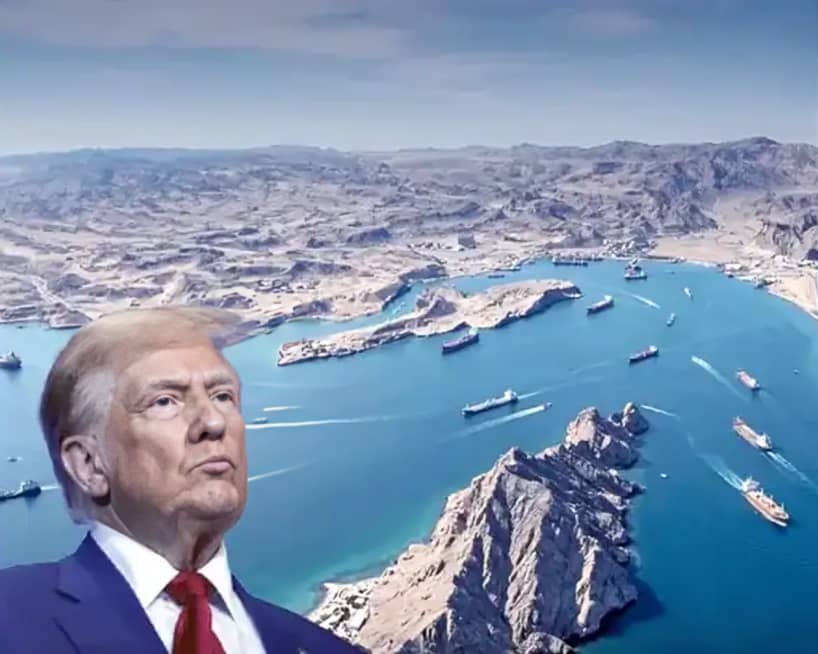
The Strait of Hormuz connects the Persian Gulf with the Gulf of Oman and the Arabian Sea. It serves as one of the world's busiest maritime corridors, with a significant share of global oil exports passing through the narrow waterway each day. Any disruption in navigation through the strait has the potential to influence international energy markets, shipping operations, and global trade.
Because of its strategic importance, developments relating to the Strait of Hormuz are closely monitored by governments, energy companies, shipping operators, and financial markets around the world. Regional tensions in recent years have periodically raised concerns about the security of commercial shipping in the area.
Oman has traditionally maintained diplomatic relations with countries across the region and has frequently acted as a facilitator for dialogue during periods of heightened geopolitical tension. Its role as an intermediary has been recognised in several previous diplomatic initiatives involving regional security and international negotiations.
At present, no formal agreement regarding a new maritime framework has been publicly announced. Officials from the countries involved have indicated that discussions remain ongoing, and any future arrangement would depend on continued diplomatic engagement and mutual agreement among the participating parties.
International observers note that any long term framework governing navigation or security in the Strait of Hormuz would have implications for regional stability, maritime trade, and global energy supplies. However, no official confirmation has been issued regarding the conclusion of negotiations or the implementation of any new agreement.
Further developments are expected as diplomatic discussions continue and governments release official updates on the progress of the talks.