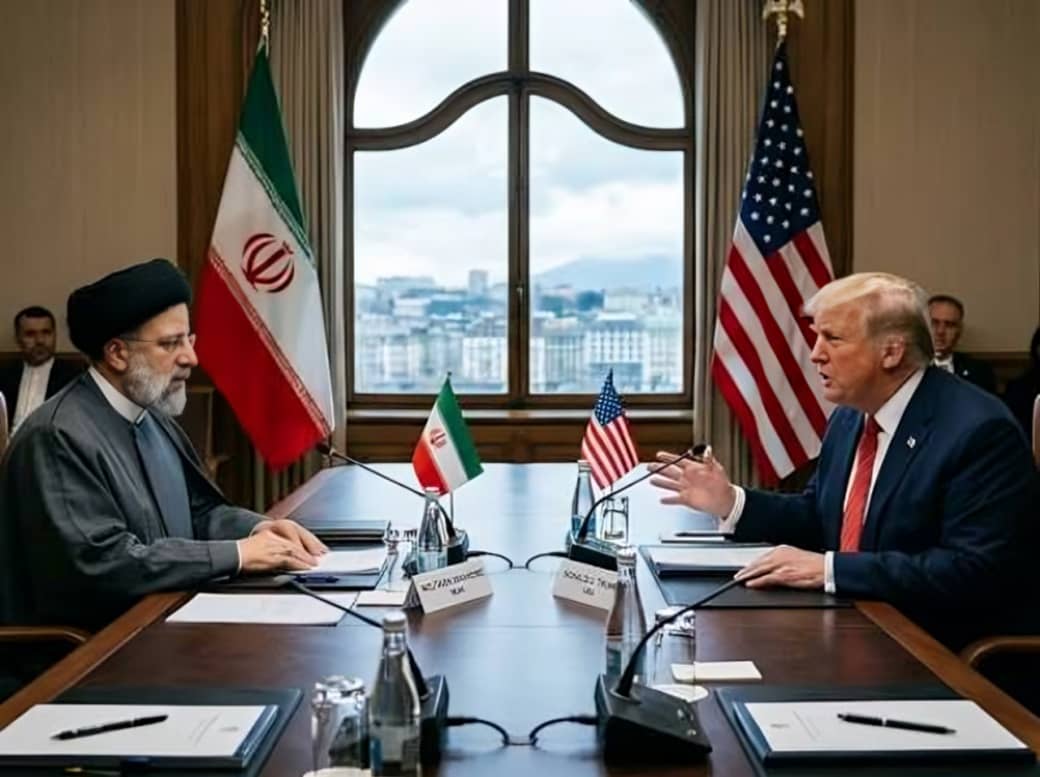

Iran has reportedly declined a United States ceasefire proposal that was conveyed through Iraqi mediation, according to reports citing Iranian and Iraqi officials. The proposal was said to have been communicated after discussions involving Iraqi representatives and United States President Donald Trump, reflecting ongoing diplomatic efforts to reduce tensions in the region.
According to the reports, Iraqi officials acted as intermediaries in an attempt to facilitate communication between the United States and Iran. Iraq has frequently played a diplomatic role in regional affairs because of its strategic position and its working relationships with multiple countries in the Middle East. Mediation efforts by Iraq have often focused on encouraging dialogue and reducing the risk of further escalation during periods of heightened regional tensions.
The reported rejection of the ceasefire proposal underscores the complexity of diplomatic negotiations involving the United States and Iran. Relations between the two countries have remained strained for several years due to disagreements over regional security, sanctions, nuclear policy, and broader geopolitical issues. These longstanding differences have made progress toward formal agreements challenging despite periodic diplomatic initiatives.
Neither side has publicly announced a comprehensive agreement regarding the reported proposal. Officials familiar with the matter indicated that discussions remain sensitive, and there has been no official confirmation of any breakthrough in negotiations. Diplomatic contacts in such situations often involve multiple stages of consultation before any formal decisions are made public.
Regional stability continues to be a major concern for governments across the Middle East and the wider international community. Escalation of tensions can affect security, energy markets, international trade routes, and humanitarian conditions across the region. As a result, many countries have consistently encouraged dialogue and peaceful negotiation as the preferred means of resolving disputes.
Iraq has repeatedly emphasized the importance of diplomacy in addressing regional disagreements. Successive Iraqi governments have sought to position the country as a venue for constructive dialogue, aiming to reduce tensions between regional and international powers while supporting broader efforts to promote peace and stability.
International observers note that ceasefire negotiations are often influenced by a wide range of political, military, and strategic considerations. Even when proposals are exchanged through intermediaries, reaching a mutually acceptable agreement may require extended negotiations involving confidence-building measures and continued diplomatic engagement.
Analysts also point out that indirect communication through third-party mediators remains a common feature of international diplomacy, particularly in situations where direct bilateral engagement is limited or politically sensitive. Such mediation efforts can help maintain channels of communication and create opportunities for future negotiations even when immediate agreements are not achieved.
The reported rejection of the proposal does not necessarily signal the end of diplomatic efforts. International mediators and regional governments frequently continue discussions after initial proposals are declined, seeking alternative approaches that may address the concerns of all parties involved.
As developments continue, governments and international organizations are expected to closely monitor the situation. Future diplomatic engagement is likely to focus on reducing regional tensions, encouraging peaceful dialogue, and exploring opportunities for negotiated solutions. The outcome of these efforts will remain important for regional security, international relations, and broader stability across the Middle East.