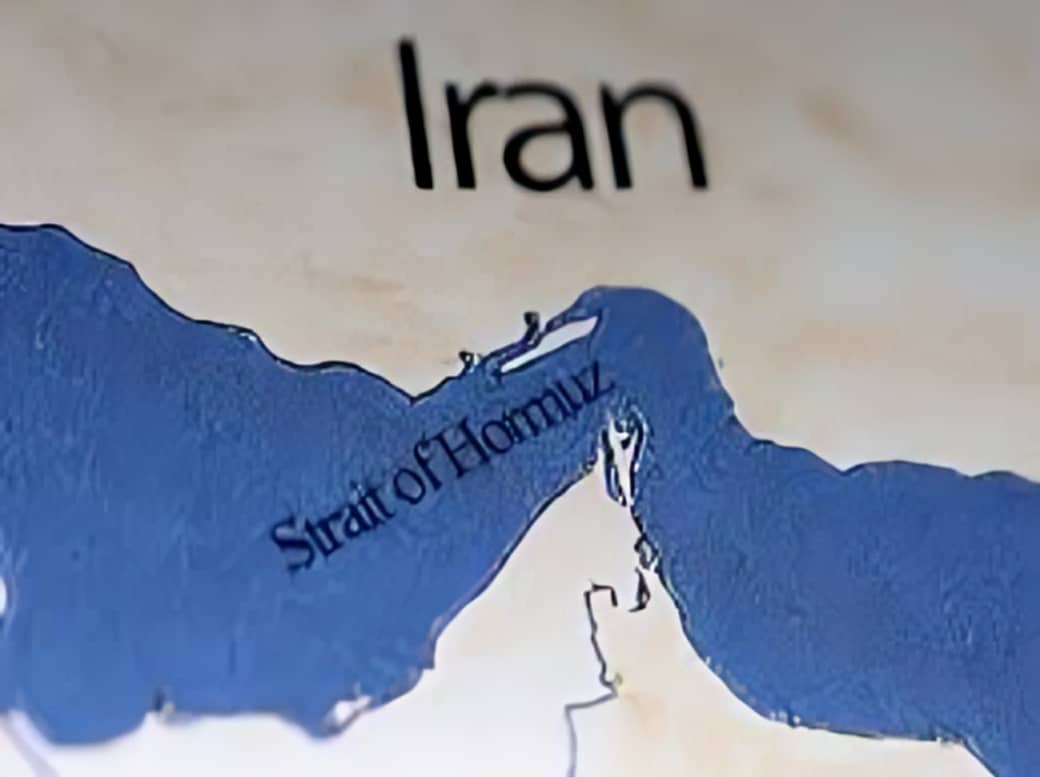
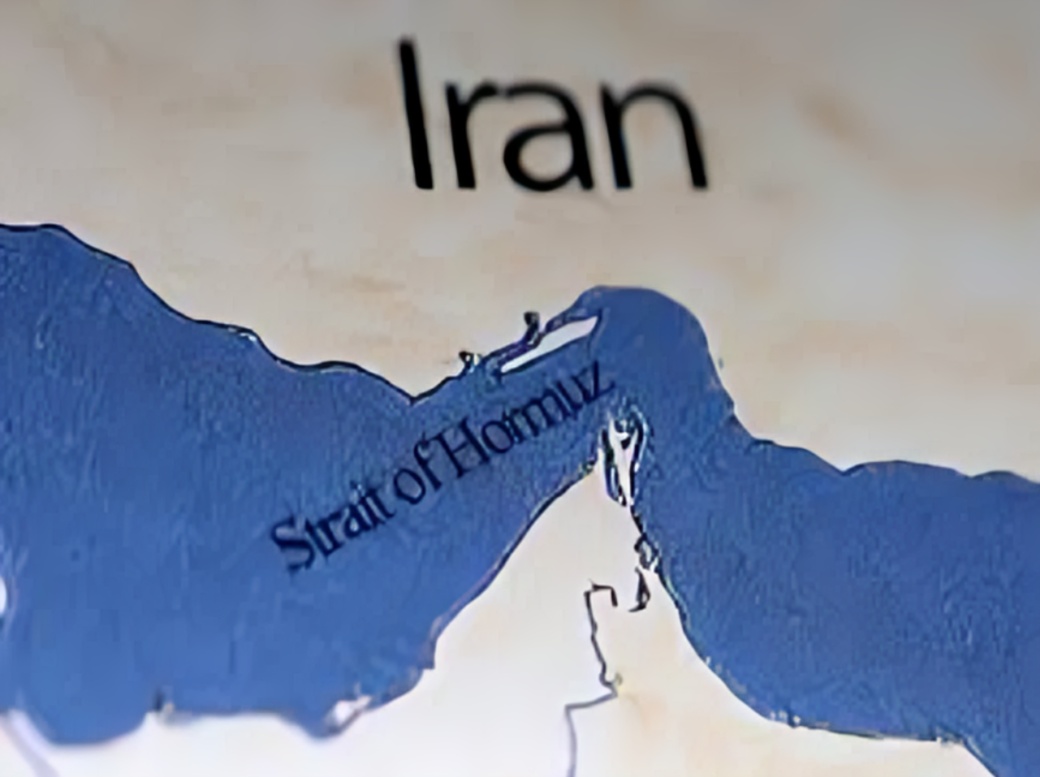
Iran has clarified that it does not plan to impose toll charges on vessels passing through the Strait of Hormuz, one of the world’s most strategically important maritime routes for global energy transportation. However, reports indicate that ships may still continue paying standard operational, insurance, and maritime service-related costs associated with navigation in the region.
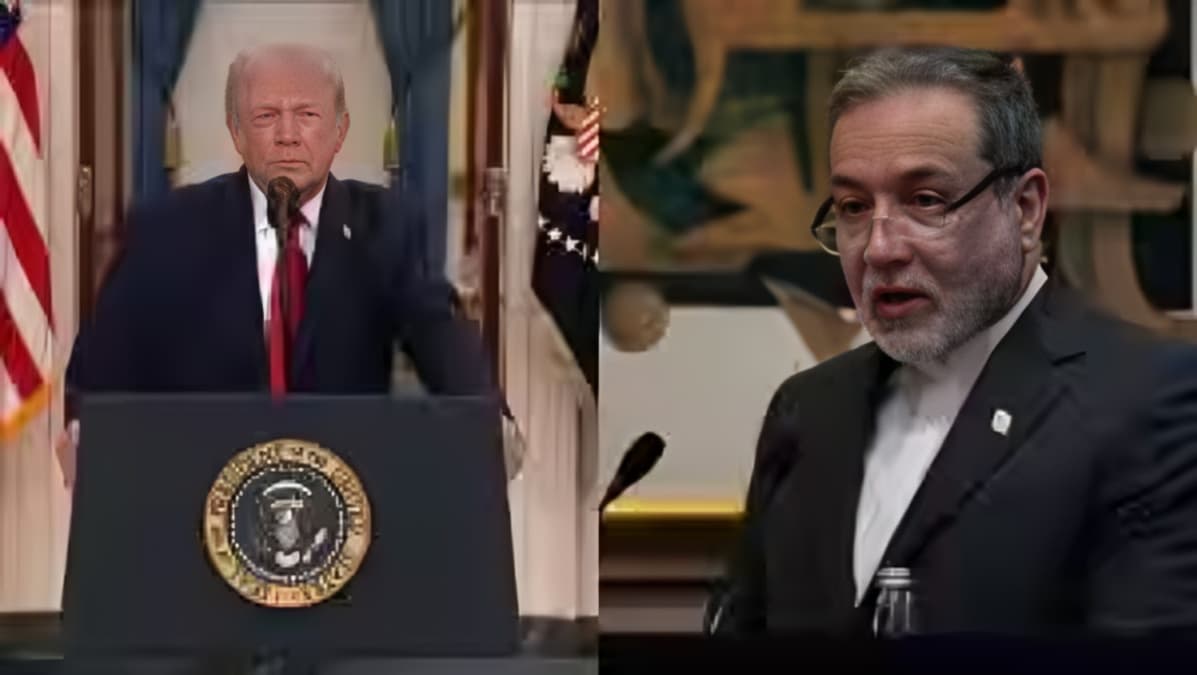
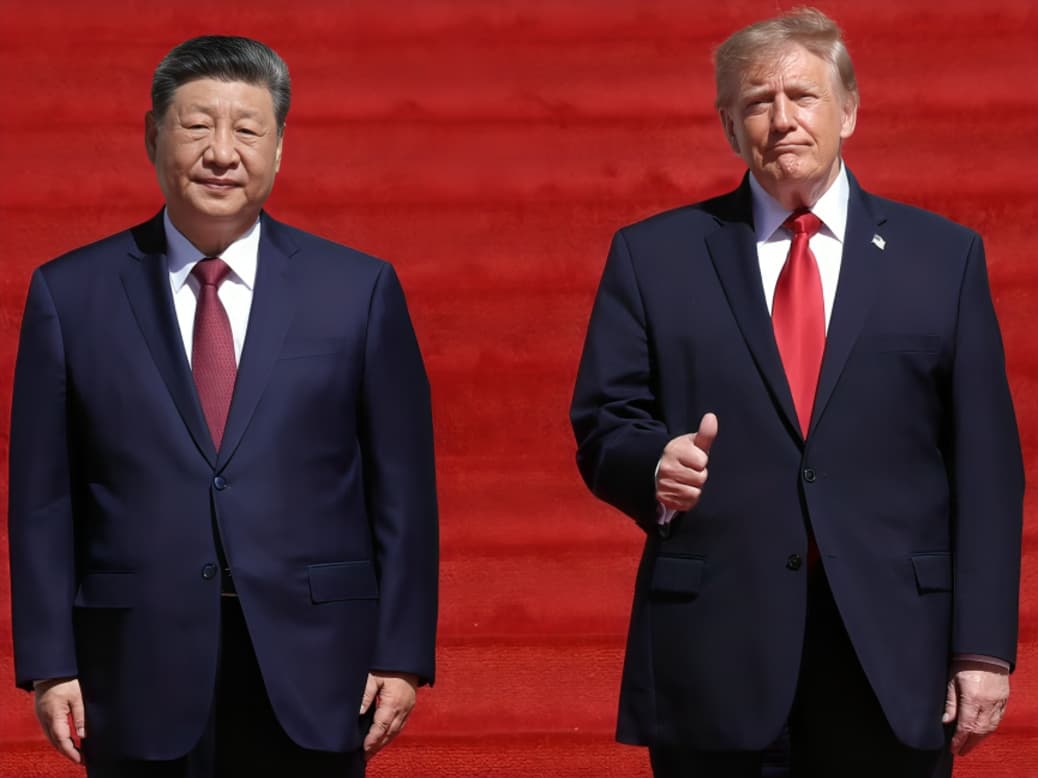
The announcement comes during a period of heightened geopolitical attention surrounding the Strait of Hormuz and broader tensions in West Asia. At the same time, diplomatic discussions between the United States and Iran are reportedly continuing in an effort to reduce regional instability and maintain uninterrupted international shipping operations.
The Strait of Hormuz is considered one of the world’s most vital energy corridors because a significant percentage of global crude oil exports passes through the narrow waterway. Several major oil-producing countries in the Gulf region depend on the strait for transporting crude oil and liquefied natural gas to international markets.
Any uncertainty regarding access to the strait often affects global financial markets, energy prices, and shipping industries. Analysts note that even political statements or military developments involving the region can trigger fluctuations in oil prices due to concerns over possible supply disruptions.
Iran’s latest statement appears aimed at easing concerns within international shipping and energy markets. While officials reportedly denied plans to introduce direct toll fees, experts point out that maritime operators may still face higher insurance premiums, security costs, and logistical expenses because of regional tensions.
Shipping companies operating through the Strait of Hormuz often monitor geopolitical conditions closely. Increased military activity or diplomatic disputes in the region can affect freight costs, vessel insurance rates, and shipping schedules.
The United States and several allied nations have previously emphasized the importance of maintaining freedom of navigation and protecting commercial shipping routes in the Gulf region. Diplomatic negotiations are reportedly focused on reducing tensions and ensuring stability for global maritime trade.
Economic analysts believe the stability of the Strait of Hormuz remains crucial for international energy markets. Any major disruption could influence global oil supply chains and contribute to higher fuel prices worldwide, especially for countries heavily dependent on imported crude oil.
India, China, Japan, and several European countries are among the major economies closely watching developments in the region because of their reliance on energy imports transported through the Gulf.
Experts say the latest remarks from Iran may help temporarily ease fears of additional trade restrictions or direct maritime charges. However, uncertainty regarding regional security conditions continues to influence global investor sentiment and energy market volatility.
The situation also highlights the growing importance of diplomatic engagement in preventing escalation in West Asia. International organizations and global powers have repeatedly encouraged dialogue and peaceful negotiations to avoid disruptions affecting trade, shipping, and regional stability.
Maritime security experts continue to stress that the Strait of Hormuz remains highly sensitive due to its strategic location and the concentration of international shipping traffic passing through the area daily.
As diplomatic talks continue, governments, shipping companies, and energy markets are expected to closely monitor future developments involving Iran, the United States, and the broader security environment surrounding the Strait of Hormuz.