
Diplomatic negotiations involving Iran, the United States, and Oman over the Strait of Hormuz are continuing as all sides work toward reducing regional tensions and improving maritime security. Although officials have reported progress in the discussions, several important issues remain under negotiation before any formal agreement can be finalized.
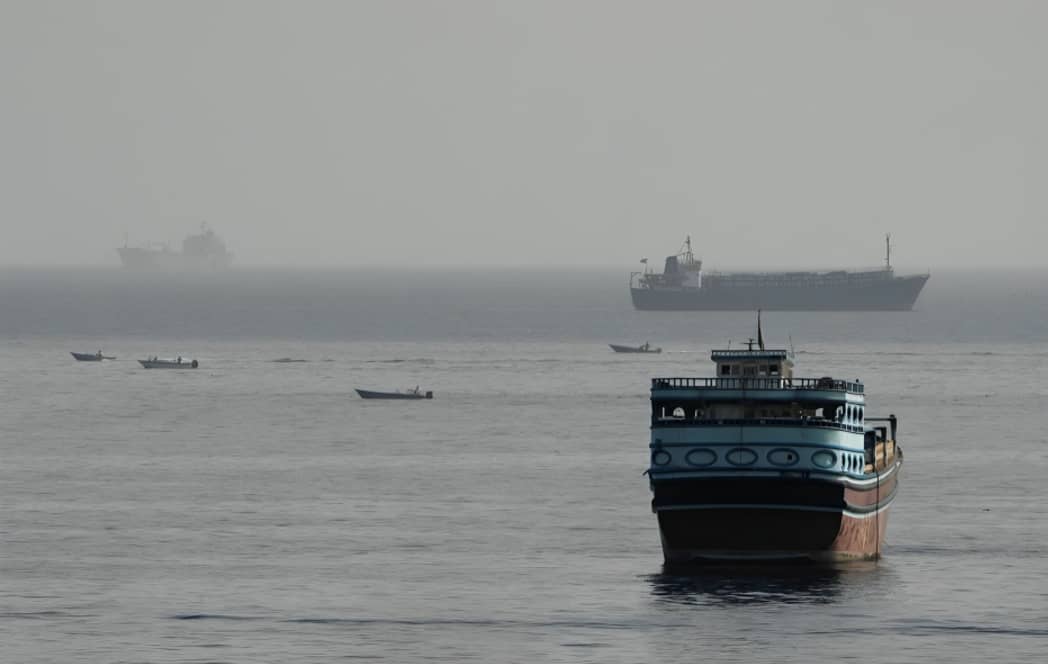
The Strait of Hormuz is one of the world's most strategically significant maritime passages. Located between the Persian Gulf and the Gulf of Oman, it serves as a major shipping route for global energy supplies. A substantial share of internationally traded crude oil and liquefied natural gas passes through the waterway each day, making stability in the region critical for global trade and energy markets.
Oman has once again assumed the role of a diplomatic mediator, facilitating communication between Iran and the United States. The country has a long history of supporting regional dialogue and has previously hosted negotiations aimed at easing tensions between nations in the Middle East.
According to officials familiar with the discussions, the negotiations are focused on ensuring safe maritime navigation, reducing the risk of military escalation, and strengthening regional security. Diplomatic representatives are working to identify areas of common understanding while addressing issues that continue to divide the parties.
One of the primary topics under discussion is the security of commercial shipping through the Strait of Hormuz. Governments and international shipping operators have consistently emphasized the importance of maintaining uninterrupted maritime traffic to support global trade and energy supplies.
Another important area of discussion involves confidence building measures that could help reduce misunderstandings and lower the possibility of future incidents in the region. Diplomatic experts note that such measures often include communication mechanisms, commitments to avoid escalation, and agreements on maritime safety procedures.
While negotiators have described the talks as constructive, significant differences reportedly remain on several aspects of the proposed arrangement. Officials have not publicly disclosed the full details of the outstanding issues, and no final agreement has yet been announced.
The United States has repeatedly emphasized the importance of protecting freedom of navigation and maintaining stability in international shipping lanes. Iran has also stated its interest in safeguarding its national security and protecting its regional interests while participating in diplomatic discussions.
International observers believe that any successful agreement could contribute to greater stability across the Middle East and reduce uncertainty in global energy markets. However, analysts also caution that complex diplomatic negotiations often require multiple rounds of discussions before a final understanding is reached.
Governments, energy companies, and international shipping organizations are closely monitoring the negotiations because developments in the Strait of Hormuz can influence oil prices, shipping operations, insurance costs, and broader economic conditions around the world.
At the time of publication, negotiations between Iran, the United States, and Oman remain ongoing. No official announcement confirming a final agreement has been made, and discussions are expected to continue until the remaining issues are addressed through diplomatic channels.