
Tensions between Iran and the United States have intensified once again following strong statements from Iranian officials warning of further consequences if Tehran’s interests and rights are not respected during ongoing diplomatic engagements.
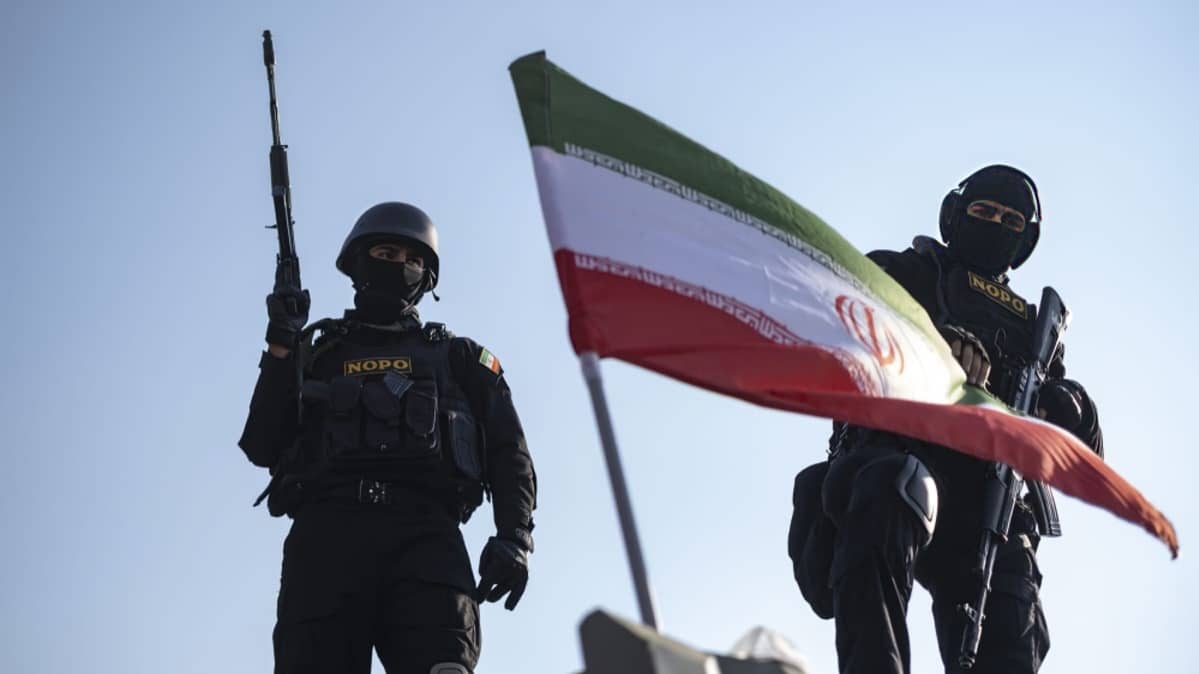
According to international reports, Iranian authorities stated that the country would impose “more defeats” on the United States if pressure and military threats continue. Despite the sharp rhetoric, officials from Tehran also indicated that diplomatic channels with Washington remain active, although major disagreements persist on several strategic and security related issues.
The latest developments come amid reports suggesting increased military preparedness by the United States and discussions regarding possible future strikes against Iranian linked targets. These reports have heightened fears of another major escalation in the Middle East, a region already facing instability due to multiple ongoing conflicts.
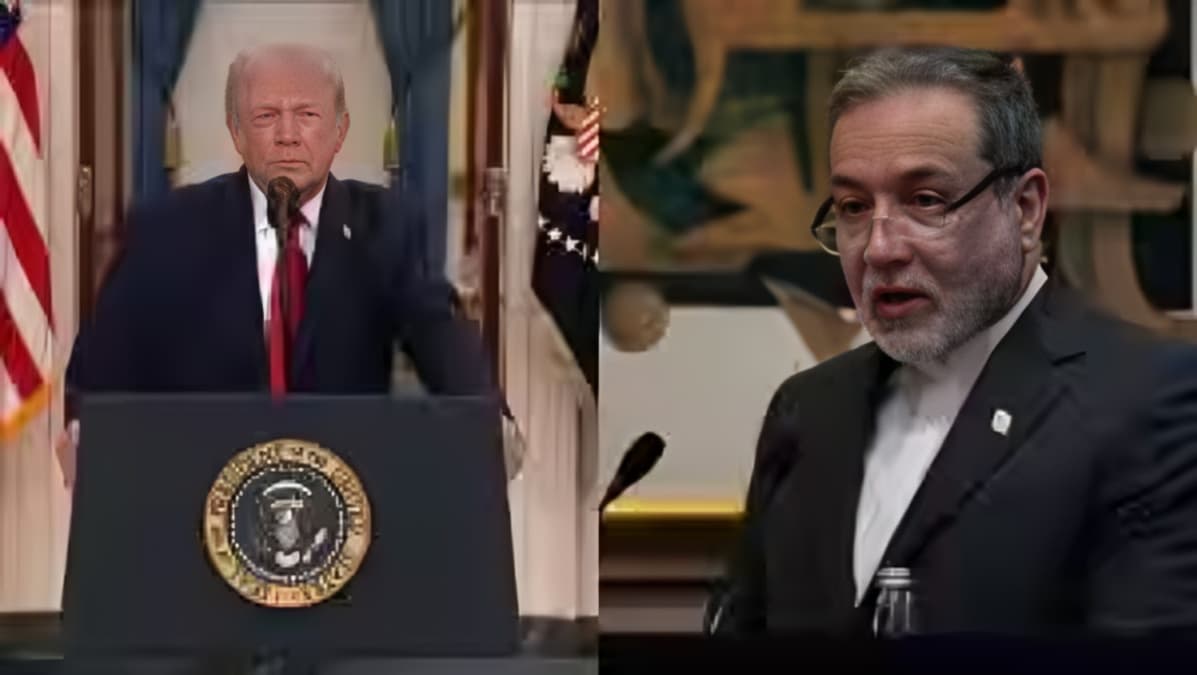
Donald Trump has reportedly signaled readiness for stronger measures if negotiations fail or regional security threats increase further. However, diplomatic observers say both sides continue balancing military signaling with attempts to avoid a direct large scale conflict.
Regional countries including Pakistan and Qatar are reportedly intensifying mediation efforts in an attempt to reduce tensions between Tehran and Washington. Diplomatic sources suggest that regional leaders are concerned about the possibility of a broader conflict affecting security, trade and economic stability across the Middle East.
The situation has also drawn attention because of ongoing violence in Lebanon and Gaza Strip, where instability continues to contribute to wider regional uncertainty. Analysts believe that simultaneous crises across multiple areas could complicate diplomatic negotiations and increase security risks.
International observers remain particularly concerned about nuclear related tensions involving Iran. Discussions surrounding Iran’s nuclear program have remained one of the most sensitive issues in relations between Tehran and Western powers for several years. Attempts to revive or renegotiate diplomatic agreements have faced repeated obstacles due to political disagreements and regional security concerns.
Global energy markets are also closely monitoring the developments. The Middle East remains one of the world’s most important oil producing regions, and any escalation involving Iran and the United States could disrupt supply chains and increase crude oil prices internationally.
Energy analysts warn that prolonged instability in the region could place additional pressure on global fuel markets already affected by geopolitical uncertainty and economic volatility. Rising oil prices can directly influence inflation, transportation costs and broader economic conditions in many countries.
International diplomatic agencies continue urging restraint from all sides while encouraging negotiations to avoid military confrontation. Several global powers have expressed concern that any direct conflict could have severe humanitarian and economic consequences beyond the region.
Security experts note that tensions between Iran and the United States have fluctuated for decades, often involving disputes related to sanctions, military presence, regional alliances and nuclear policy. However, the current situation is considered particularly sensitive because of simultaneous crises occurring across different parts of the Middle East.
Political analysts believe both countries are attempting to demonstrate strength while leaving room for diplomatic negotiations. The use of strong public statements is often viewed as part of strategic signaling intended to influence negotiations and regional alliances.
Meanwhile, residents across parts of the Middle East continue facing uncertainty due to fears of possible escalation. Humanitarian organizations have also warned that any expansion of regional conflict could worsen existing humanitarian challenges in already affected areas.
As diplomatic talks continue alongside military and political tensions, global attention remains focused on whether mediation efforts can prevent further escalation between Iran and the United States in the coming weeks.