
Tensions between the United States and Iran remain high as officials on both sides continue to issue contrasting statements about military operations, negotiations and the possibility of further escalation.
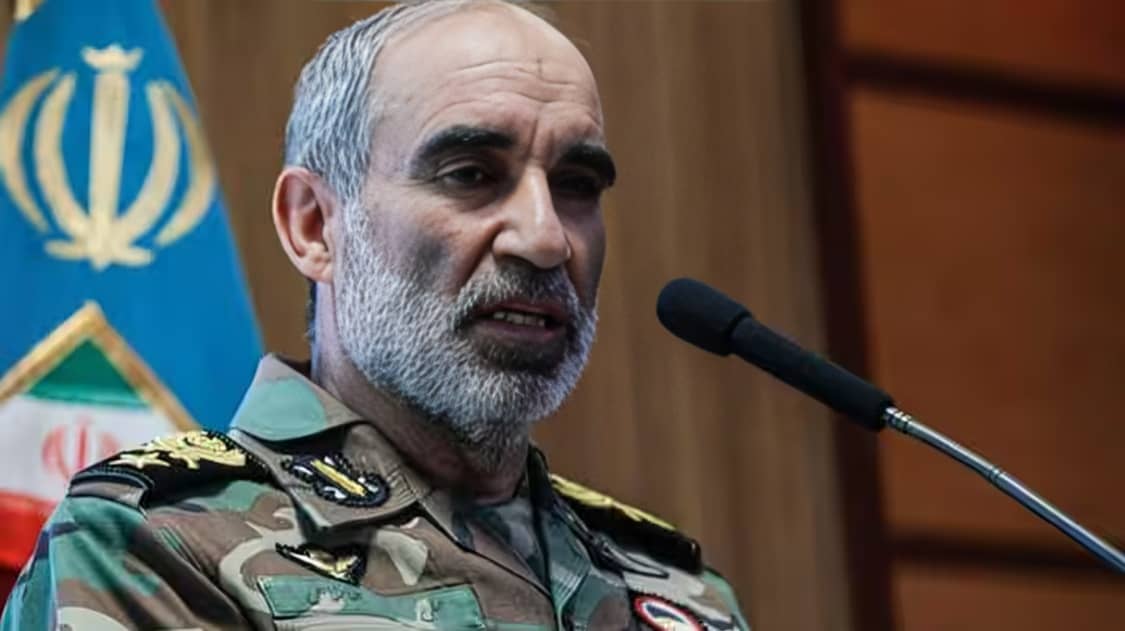
Iranian General Ali Jahanshahi has warned that any US attempt to launch a ground operation against Iran would face resistance, according to reports. His comments reflect Tehran's continuing opposition to the possibility of American troops being deployed on Iranian territory.
The warning comes at a time when US President Donald Trump has indicated that Washington is taking a more restrained approach to its current confrontation with Iran. In a recent interview, Trump described the US approach as low key and emphasised economic pressure rather than an immediate expansion of military operations. Reuters reported that Trump said the United States was focusing on the impact of economic pressure on Iran.
The contrasting positions have added to uncertainty over the future direction of the conflict. While Iranian officials continue to warn against any ground intervention, the US administration has indicated that it is prepared to use economic measures and other forms of pressure to achieve its objectives.
The possibility of a US ground operation would represent a major escalation compared with air and naval operations. Deploying ground forces into Iran would involve significant military, political and logistical challenges and could potentially widen the conflict across the Middle East.
Iranian officials have repeatedly stressed that their country would respond to any direct military intervention. General Jahanshahi's latest warning is part of that broader message, with Tehran seeking to demonstrate that it remains prepared to defend its territory.
At the same time, the United States has continued to apply pressure through economic and military measures. Trump has argued that economic pressure could weaken Iran's ability to sustain the confrontation without requiring an immediate large scale ground campaign.
The economic situation in Iran has consequently become an important part of the current standoff. US officials have pointed to inflation, currency pressures and wider economic difficulties as evidence that sanctions and other restrictions are having an impact. Iran, however, has continued to reject US pressure and has demanded changes to the current restrictions.
The Strait of Hormuz remains another major point of disagreement. The strategic waterway is one of the world's most important routes for international energy shipments. Any prolonged disruption could affect oil and gas supplies, shipping costs and global markets.
Iran has linked the reopening of the Strait to several conditions, including changes to US military and economic pressure. Recent reporting indicates that Tehran has sought sanctions relief, the release of frozen funds and compensation for damage caused during military action.
The United States, meanwhile, wants commercial shipping through the Strait to resume and has maintained pressure on Iran over the issue. The disagreement has created uncertainty for shipping companies and energy markets.
Despite the continuing confrontation, diplomatic channels have not completely disappeared. Communication between the two sides has taken place through intermediaries, with Oman playing an important role in discussions concerning the Strait of Hormuz and broader tensions.
Trump's latest comments suggest that Washington is currently interested in applying economic pressure while keeping diplomatic possibilities open. However, the administration has also maintained that military options remain available if circumstances change.
For Iran, statements by senior military officials are intended to make clear that any attempt to deploy American ground forces would face a military response. Such warnings could also be aimed at deterring Washington from considering a wider military operation.
The situation therefore remains fluid. Neither side appears ready to fully abandon its core demands, while the possibility of negotiations remains uncertain.
The prospect of direct ground combat would carry significant risks for both countries. For the United States, a ground operation could require a substantial military commitment and potentially lead to a prolonged conflict. For Iran, a direct confrontation with US forces could place additional pressure on its military and economy.
Regional countries are also closely watching developments because any major escalation could affect neighbouring states, shipping routes and energy markets. The conflict could have consequences beyond the immediate US Iran confrontation if attacks spread to other locations or involve regional allies.
For India and other major energy importing countries, developments around the Strait of Hormuz are particularly important. Disruptions to Gulf shipping can increase transportation costs and potentially affect international crude oil prices.
For now, the latest statements indicate that both Washington and Tehran continue to pursue pressure-based strategies while leaving some room for diplomatic engagement. Trump has emphasised economic pressure, while Iranian military officials continue to warn against direct intervention.
The coming days will be important in determining whether the current standoff moves towards negotiations or further escalation. Any change in the military situation, sanctions regime or status of the Strait of Hormuz could significantly influence the next phase of US Iran relations.
The immediate situation remains uncertain, with military warnings from Tehran and economic pressure from Washington shaping the latest phase of the confrontation.