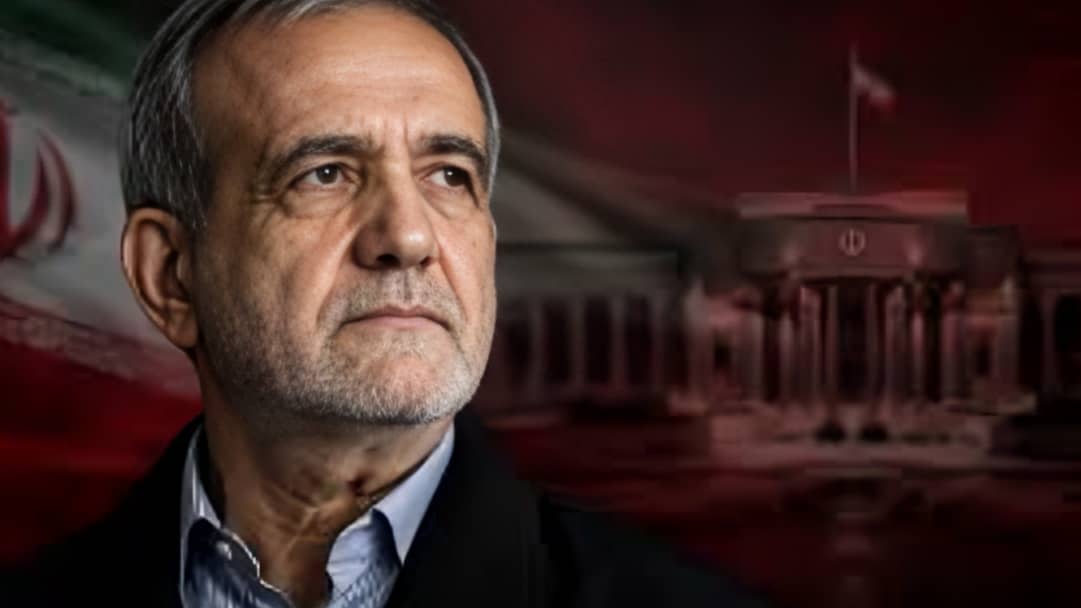
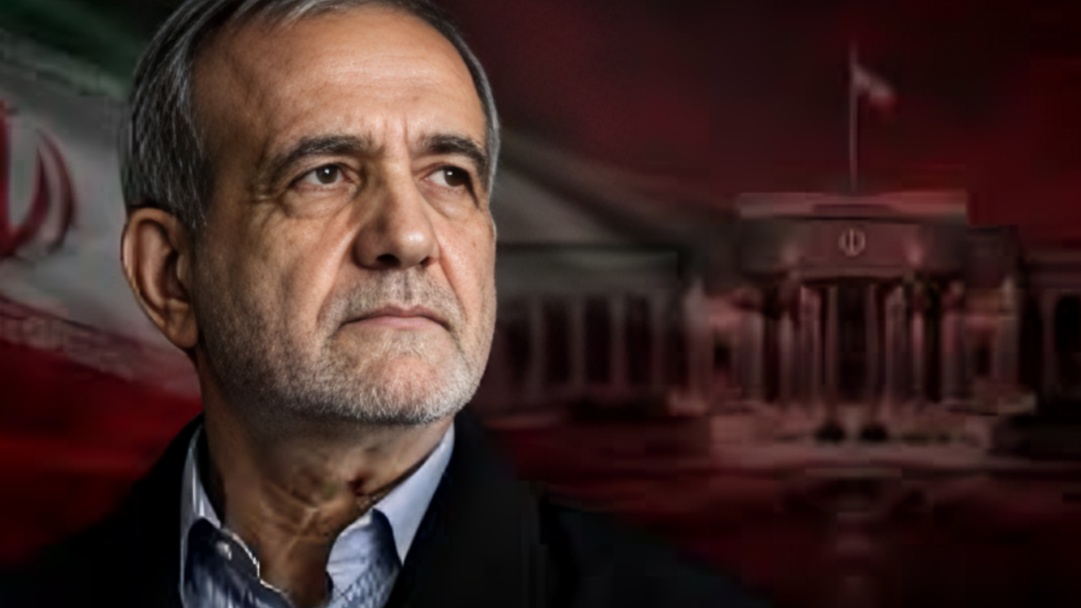
Reports regarding the political future of Iranian President Masoud Pezeshkian have attracted international attention after claims emerged suggesting that he had offered to resign amid disagreements over governance and decision-making processes within the country. However, Iranian officials have strongly rejected the reports, describing them as inaccurate and lacking official confirmation.
The reports alleged that President Pezeshkian had expressed concerns about the role of powerful institutions in key government decisions and had considered stepping down from office. The claims quickly gained attention across regional and international media platforms, leading to speculation about potential political developments in Iran.
Despite the widespread discussion, government representatives and officials familiar with the administration have denied that any resignation has been submitted or accepted. Authorities have emphasized that the president remains in office and continues to carry out his constitutional responsibilities.
President Pezeshkian assumed office after campaigning on issues including economic reform, improved governance, and greater engagement with the international community. Since taking office, his administration has faced several challenges, including economic pressures, regional tensions, and the need to address domestic policy concerns.
Iran's political system consists of multiple institutions that share authority across different areas of governance. Decision-making often involves coordination among elected officials, government ministries, and other influential bodies. As a result, discussions regarding policy direction and administrative authority frequently become subjects of public and political debate.
Political analysts note that reports involving senior government officials often generate significant interest because of Iran's strategic importance in regional and international affairs. Any speculation regarding leadership changes can influence diplomatic discussions, economic expectations, and geopolitical assessments.
The reports emerged during a period of heightened regional tension and increased international scrutiny of developments in the Middle East. Observers suggest that such circumstances can contribute to the rapid spread of political speculation, particularly when official information is limited.
Government officials have reiterated that there has been no change in the country's executive leadership structure. They have urged media organizations and the public to rely on verified information from official sources rather than unconfirmed reports circulating on social media and unofficial platforms.
International observers continue to monitor developments within Iran closely because of the country's influence on regional security, energy markets, and diplomatic affairs. Stability within the Iranian government remains an important factor for neighboring countries and global stakeholders.
Experts emphasize that reports concerning resignations or leadership disputes should be treated cautiously until verified through official channels. In many cases, political speculation can spread quickly without supporting evidence, creating uncertainty among the public and financial markets.
At present, there has been no official announcement indicating that President Masoud Pezeshkian has resigned or intends to leave office. The Iranian government maintains that the administration remains operational and focused on addressing national priorities.
As further information becomes available, attention is expected to remain on official statements from Tehran regarding the country's political leadership and policy direction.