
Jerusalem, June 4
Israel and Lebanon have agreed to implement a ceasefire after months of deadly hostilities involving Hezbollah, marking a significant diplomatic development in the Middle East. The agreement, facilitated through international mediation efforts led by the United States, seeks to end cross-border violence and restore stability along the Israel-Lebanon frontier.
According to officials familiar with the negotiations, the ceasefire requires Hezbollah to stop military attacks against Israel and withdraw armed personnel from designated areas in southern Lebanon. In return, measures are expected to be taken to reduce military tensions and prevent further escalation between the parties involved.
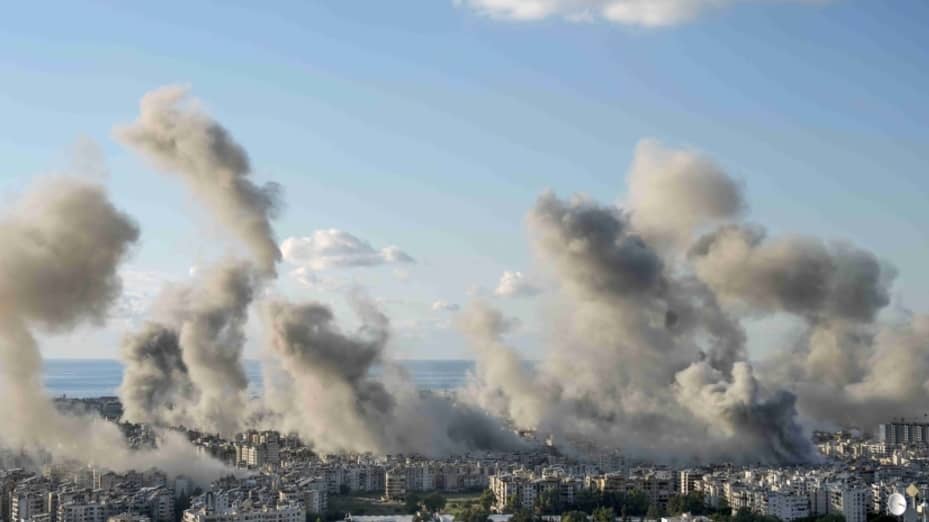
The conflict had intensified over recent months, resulting in casualties, displacement of civilians and damage to infrastructure on both sides of the border. Frequent exchanges of fire created security concerns across the region and raised fears of a broader military confrontation.
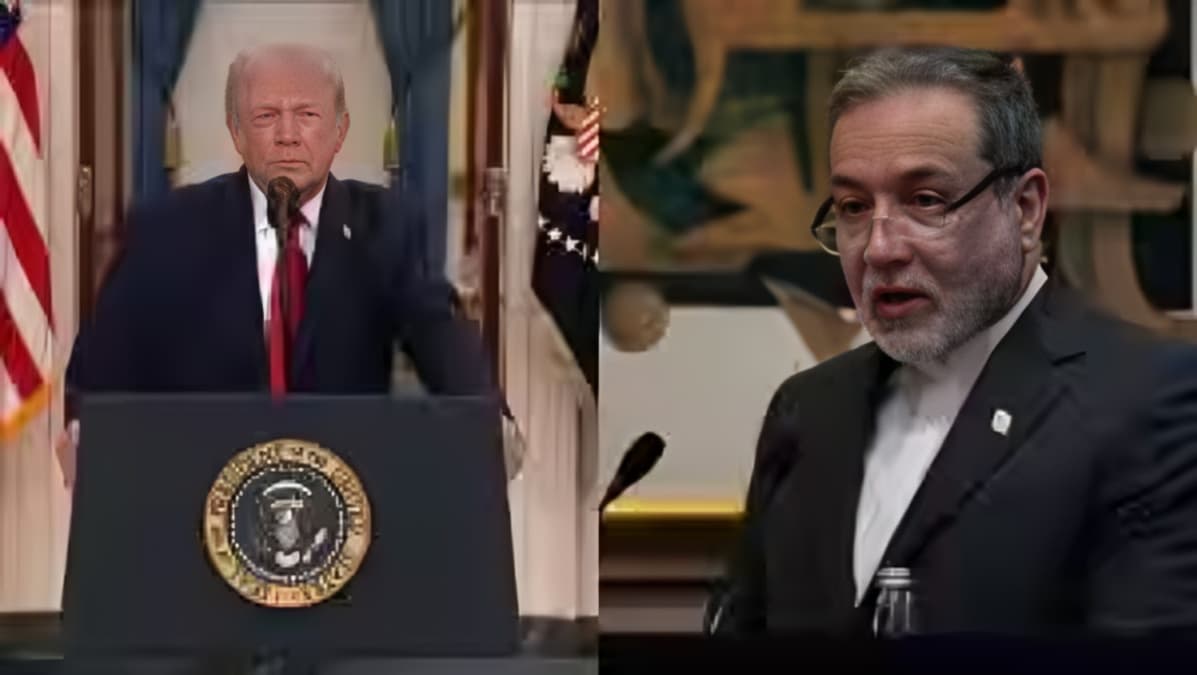
International diplomatic efforts increased significantly as the situation deteriorated. Several countries and international organisations urged all parties to exercise restraint and pursue a negotiated solution. The United States played a key role in facilitating discussions aimed at reaching a ceasefire framework acceptable to both sides.
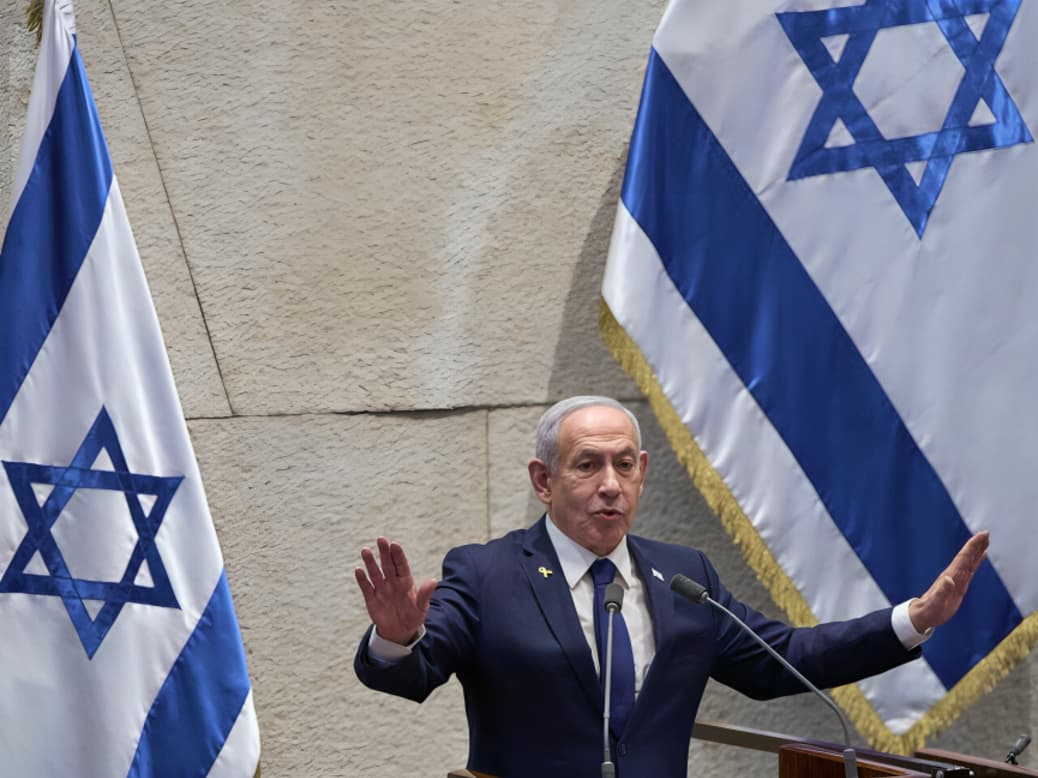
Government officials in Israel described the agreement as an important step toward improving security conditions in northern regions affected by the conflict. They stated that the implementation of the ceasefire would be closely monitored to ensure compliance with agreed terms.
Lebanese authorities also welcomed efforts to reduce tensions and expressed hope that the agreement would help restore normalcy in affected communities. Officials emphasised the importance of protecting civilians and rebuilding areas impacted by months of violence.
Security experts note that the success of the ceasefire will depend on effective implementation and continued diplomatic engagement. Previous agreements in the region have faced challenges due to violations, mistrust and changing security conditions. As a result, international observers are expected to closely monitor developments in the coming weeks.
The agreement is also expected to have broader implications for regional stability. Ongoing tensions in the Middle East have contributed to uncertainty in political, economic and security matters. A sustained reduction in hostilities could create opportunities for further diplomatic initiatives and confidence-building measures.
Humanitarian organisations have welcomed the ceasefire announcement, highlighting the need for assistance to displaced families and communities affected by the conflict. Aid agencies have called for safe access to affected areas and continued support for recovery efforts.
Political analysts believe that while the ceasefire represents a positive development, long-term peace will require addressing underlying security concerns and political disputes that have contributed to recurring tensions in the region. Continued dialogue between stakeholders is expected to remain essential for maintaining stability.
As the ceasefire takes effect, attention will focus on compliance by all parties and the effectiveness of monitoring mechanisms established under the agreement. Governments, international organisations and regional partners are expected to remain actively engaged in supporting efforts to preserve peace and prevent renewed violence.
The agreement represents one of the most significant diplomatic breakthroughs in the region in recent months and offers hope for a reduction in conflict and improved security conditions for civilians living along the border areas.