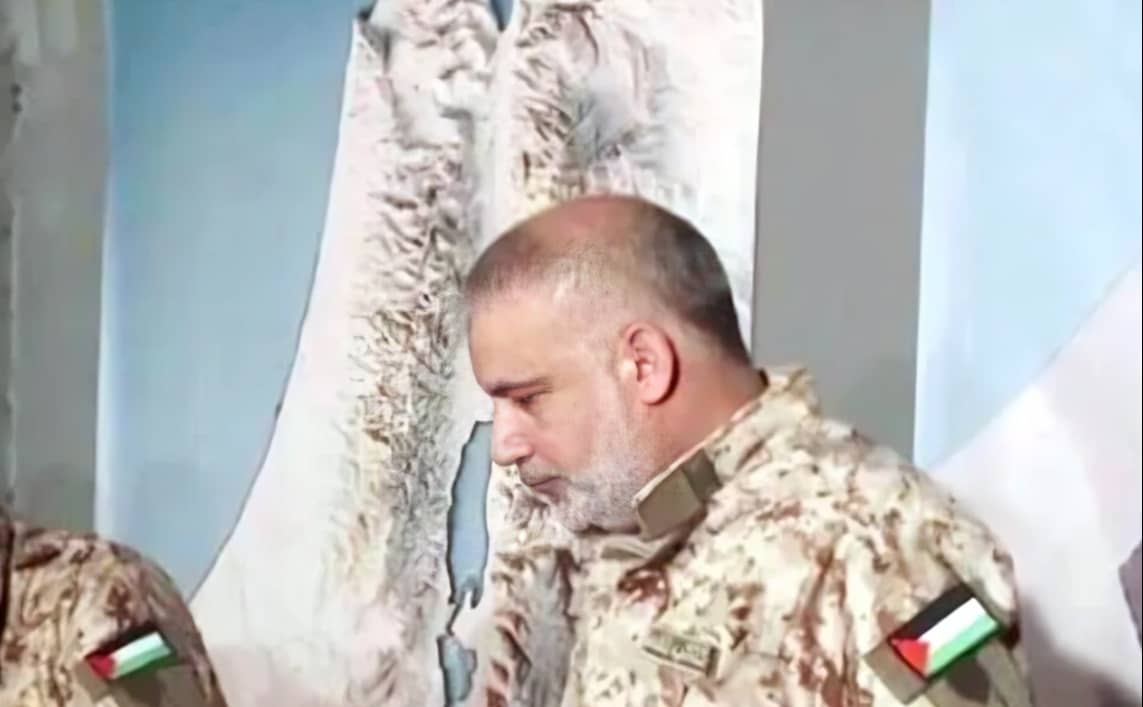

Israel has claimed that Hamas military leader Muhammed Odeh was killed during a military operation in the Gaza Strip. According to Israeli officials, Odeh previously served in a senior intelligence-related role and was allegedly connected to activities associated with the October 7 attacks that intensified the conflict in the region.
The announcement was made as military operations and security tensions continue across Gaza and surrounding areas. Israeli authorities stated that the operation targeted individuals believed to hold key operational and intelligence responsibilities within Hamas.
Officials claimed that Muhammed Odeh had been involved in intelligence coordination and strategic planning connected to Hamas military activities. Israeli defense sources reportedly described him as an important figure within the organization’s command structure.
At the time the reports emerged, Hamas had not immediately issued an official public response confirming or denying the Israeli claim regarding Odeh’s death.
The conflict between Israel and Hamas has continued to generate widespread international concern due to the scale of military operations, humanitarian challenges, and civilian impact in the region. The October 7 attacks marked a major escalation in tensions and led to extensive military actions by Israel in Gaza.
Israeli authorities have repeatedly stated that operations are focused on targeting Hamas leadership, military infrastructure, and intelligence networks. Since the conflict intensified, multiple senior Hamas figures have reportedly been targeted during Israeli military operations.
International organizations and foreign governments continue to monitor developments closely as concerns remain over regional stability, humanitarian conditions, and civilian safety. Diplomatic efforts involving ceasefire discussions, hostage negotiations, and humanitarian aid access have also continued in parallel with military activity.
Security analysts noted that intelligence operations play a central role in modern conflicts, particularly in densely populated urban regions like Gaza. Control of communications, planning networks, and information systems often becomes strategically important for both military operations and defense measures.
The Israeli government has consistently maintained that dismantling Hamas operational capabilities remains a major objective of its ongoing campaign. At the same time, humanitarian agencies have repeatedly expressed concern regarding civilian casualties, infrastructure damage, and the humanitarian crisis affecting residents in Gaza.
Global reactions to developments in the conflict have remained divided, with countries and international organizations calling for restraint, humanitarian access, and efforts toward long-term political solutions. The conflict has also influenced diplomatic discussions at the United Nations and other global forums.
Experts believe that reports involving the deaths of senior militant or military figures often carry both operational and symbolic significance during prolonged conflicts. Such announcements may affect internal organizational structures, operational planning, and political messaging on both sides.
Meanwhile, regional tensions continue to remain high as military operations, security alerts, and diplomatic negotiations proceed simultaneously. Analysts warned that further escalation could impact broader Middle East stability and international geopolitical relations.
Humanitarian organizations continue to urge increased aid delivery and protection for civilians affected by the conflict. International attention also remains focused on ceasefire negotiations and efforts aimed at reducing violence in the region.
As developments continue, independent verification of operational claims often remains difficult during active conflict situations. Media organizations and international observers are continuing to monitor official statements, military developments, and humanitarian conditions across Gaza and neighboring regions.
The situation remains highly sensitive, with global leaders, diplomatic representatives, and international agencies closely following every major development connected to the ongoing conflict.