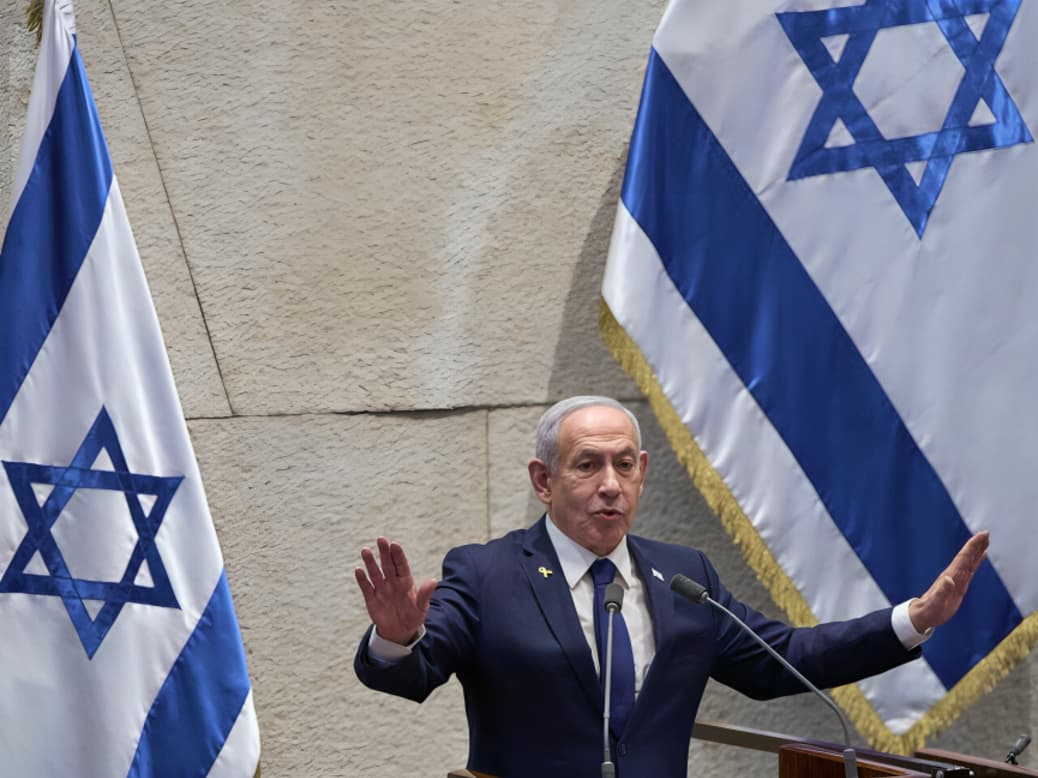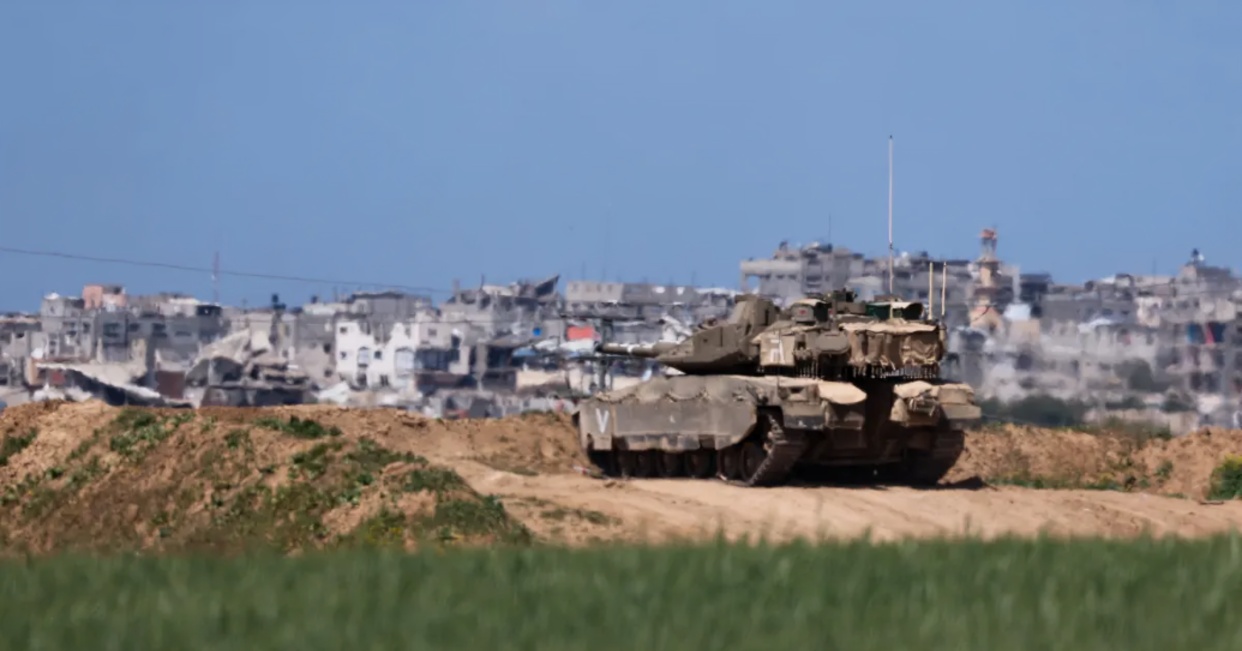
Israeli Defence Minister Israel Katz has said that Israeli military forces will continue to maintain their presence in strategic areas captured during military operations in Lebanon, Syria, and Gaza. The statement comes as regional tensions remain high and diplomatic efforts continue to focus on security arrangements, ceasefire initiatives, and the broader stability of the Middle East.
According to remarks attributed to the defence minister, Israel considers the continued deployment of its forces in certain locations to be important for national security and the prevention of future threats. The comments have drawn attention from regional governments, international organizations, and foreign policy observers monitoring developments in the area.
The security situation across parts of the Middle East has remained complex in recent years, with multiple conflicts and cross border tensions influencing regional dynamics. Israel has frequently cited security concerns and the need to protect its citizens as key reasons for military operations and defensive measures in neighboring areas.
The statement by the defence minister comes amid ongoing discussions regarding the future of territories affected by conflict. International mediators and diplomatic representatives have been working to reduce tensions and encourage dialogue among the parties involved. However, differing positions regarding security requirements, territorial control, and political arrangements continue to present challenges to long term solutions.
In Gaza, international efforts have focused on humanitarian assistance, civilian protection, and negotiations aimed at reducing violence. Various governments and international organizations have called for measures that address both immediate humanitarian needs and broader security concerns. Discussions regarding governance, reconstruction, and future administrative arrangements remain ongoing.
The situation along Israel's northern borders has also attracted significant attention. Security developments involving Lebanon and Syria have led to increased diplomatic engagement by regional and international stakeholders. Governments across the region continue to closely monitor military activities and assess their implications for stability and security.
Political analysts note that statements regarding military deployments often carry important diplomatic and strategic implications. Such announcements can influence negotiations, security planning, and international responses. Observers emphasize that future developments will depend on military conditions on the ground, diplomatic efforts, and decisions made by the parties involved.
Several international organizations have repeatedly called for dialogue, de escalation, and adherence to international law. Humanitarian agencies have also stressed the importance of protecting civilians and ensuring access to essential services in areas affected by conflict.
The broader Middle East remains a region of significant geopolitical importance, with developments in one area often affecting neighboring countries. As a result, statements from senior officials are closely watched by governments, investors, and international institutions.
While Israel has emphasized security considerations in explaining its military posture, other regional actors have expressed differing views regarding territorial control and future political arrangements. These differences continue to be the subject of diplomatic discussions at regional and international levels.
Experts suggest that long term stability will likely depend on a combination of security measures, diplomatic engagement, economic recovery efforts, and sustained dialogue among the parties concerned. International attention remains focused on developments in Lebanon, Syria, and Gaza as efforts continue to address the complex challenges facing the region.