Israel’s 2026 election has resulted in an uncertain political situation, with the latest exit polls indicating that Prime Minister Benjamin Netanyahu’s coalition is narrowly ahead but may not have secured enoucgh parliamentary seats to form a government on its own. The absence of a clear winner has increased attention on the next stage of the political process, as parties assess the results and consider the possibilities for forming a governing alliance.
The election outcome is significant because a coalition needs sufficient support in parliament to establish a stable government. Although exit polls provide an early indication of voter preferences, they do not represent the final result. The official count and subsequent political discussions will be important in determining which parties can secure the numbers required to govern.
Netanyahu’s coalition appears to have an advantage in the initial projections, but its reported position remains short of a parliamentary majority. This could lead to negotiations with other political groups as parties consider their options. The final political picture will depend on the confirmed results, the distribution of parliamentary seats and the willingness of parties to work together.
Meanwhile, Qatar has rejected allegations that it interfered in Israel’s election. The country has accused certain politicians of spreading disinformation through claims linking it to the electoral process. The denial comes amid a politically sensitive period, when allegations of foreign involvement can become a major issue in public debate.
The disagreement highlights the importance of distinguishing between political accusations and verified evidence. Claims of election interference can influence public opinion and affect diplomatic relations between countries. Qatar’s response makes clear that it rejects the allegations. However, the available update does not provide independent evidence establishing whether any outside interference took place. The claims and the denial should therefore be understood as separate statements rather than confirmed findings.
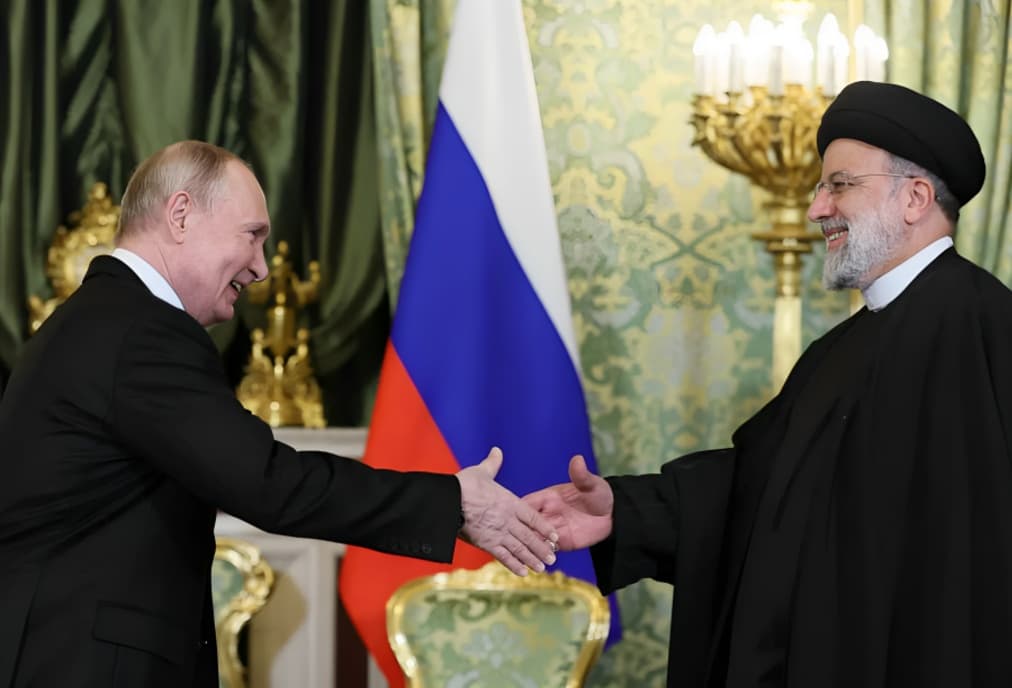
Alongside the election developments, diplomatic contacts between the United States and Iran are reportedly intensifying. The discussions are said to involve the supply of medical materials and the possible reopening of the Strait of Hormuz. These issues are important because humanitarian supplies and maritime movement are closely connected to regional stability.
The Strait of Hormuz is a strategically important waterway for international shipping and energy transportation. Any disruption to movement through the strait can create wider concerns for regional trade and global markets. Discussions about reopening the route therefore carry significance beyond the countries directly involved.
The reported focus on medical supplies also brings a humanitarian dimension to the diplomatic contacts. Access to essential medical materials can become difficult during periods of conflict, restrictions and political tension. Continued communication between the United States and Iran could help address specific humanitarian and transport concerns. However, the reported contacts should not be interpreted as confirmation that a broader agreement has been reached.
Security concerns are also continuing in Yemen, where Houthi attacks are reportedly disrupting air traffic. Such disruptions can affect aviation operations, travel arrangements and the movement of people and goods. Airlines and aviation authorities may need to respond to changing security conditions, depending on the location and scale of the reported incidents.
The developments in Yemen form part of a wider regional security situation involving several countries and armed groups. The reported disruption to air traffic adds another challenge for a region already facing diplomatic and military tensions. Further details about the affected routes, the scale of the disruption and any official aviation advisories would be necessary to assess the full impact.
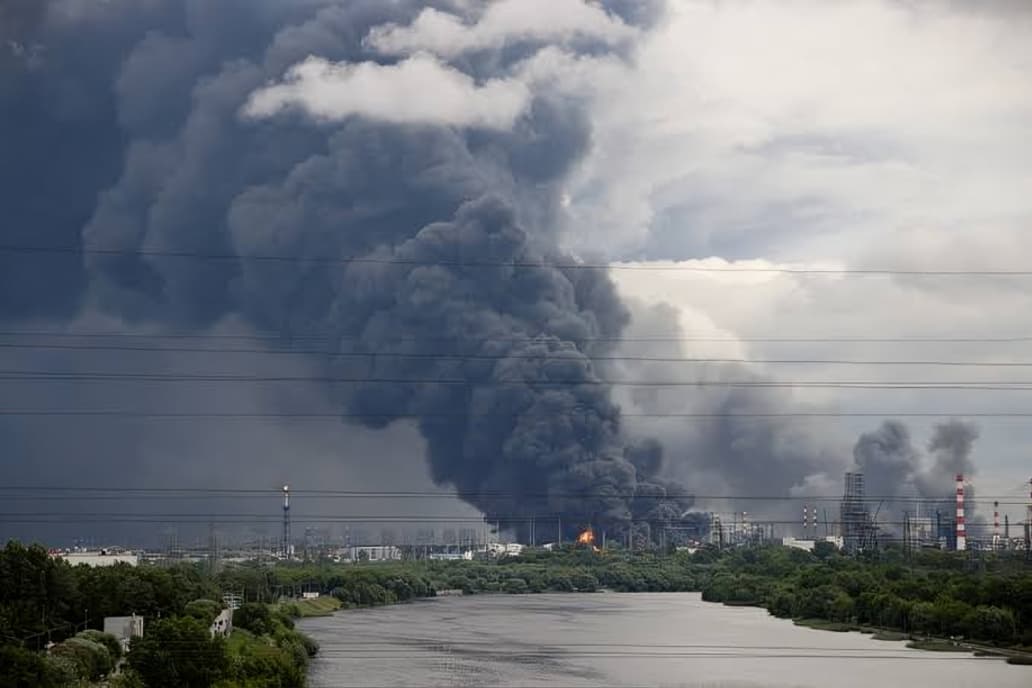
At the same time, Israeli strikes are continuing in Gaza and Lebanon, according to the supplied update. These developments underline that military tensions remain active even as diplomatic contacts take place on other regional issues. The continuation of strikes raises concerns about civilian safety, humanitarian access and the possibility of further escalation.
The situations in Gaza and Lebanon involve separate local and political circumstances, even though both are connected to wider regional tensions. Any assessment of the impact of the strikes requires verified information about the locations affected, casualties, damage and official statements from the parties involved. The available update does not provide those details, so specific figures or claims about the consequences cannot be established from the information provided.
Taken together, the election uncertainty in Israel, Qatar’s rejection of interference allegations, renewed US-Iran contacts and security developments in Yemen, Gaza and Lebanon show how several major issues are unfolding across the region at the same time. These events are connected by the broader environment of political tension and security concerns, but they should not automatically be treated as parts of a single coordinated development.
For Israel, the immediate priority is the confirmation of the election result and the formation of a government capable of securing parliamentary support. For Qatar, the focus is on rejecting allegations of interference and challenging claims it describes as disinformation. For the United States and Iran, the reported discussions centre on humanitarian supplies and maritime access. Meanwhile, developments in Yemen, Gaza and Lebanon continue to require close attention.
The situation remains fluid. Official election results, further diplomatic announcements and verified updates from the affected areas will be important in understanding how these developments progress. Until more information is confirmed, exit poll projections, political allegations and reports of diplomatic contacts should be presented with clear attribution and appropriate caution.