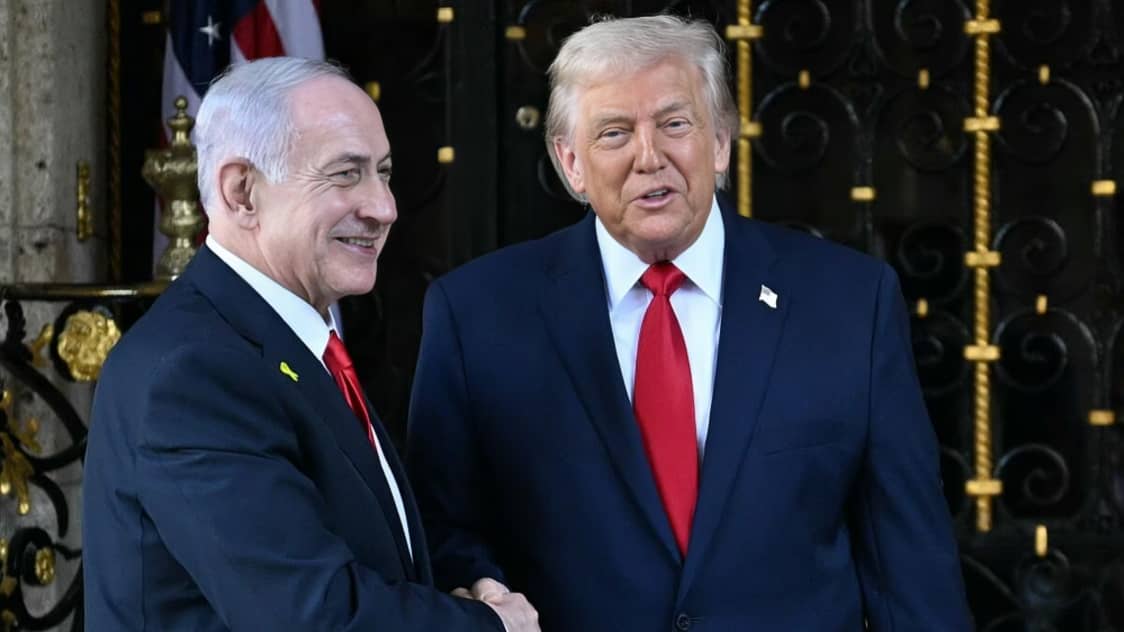
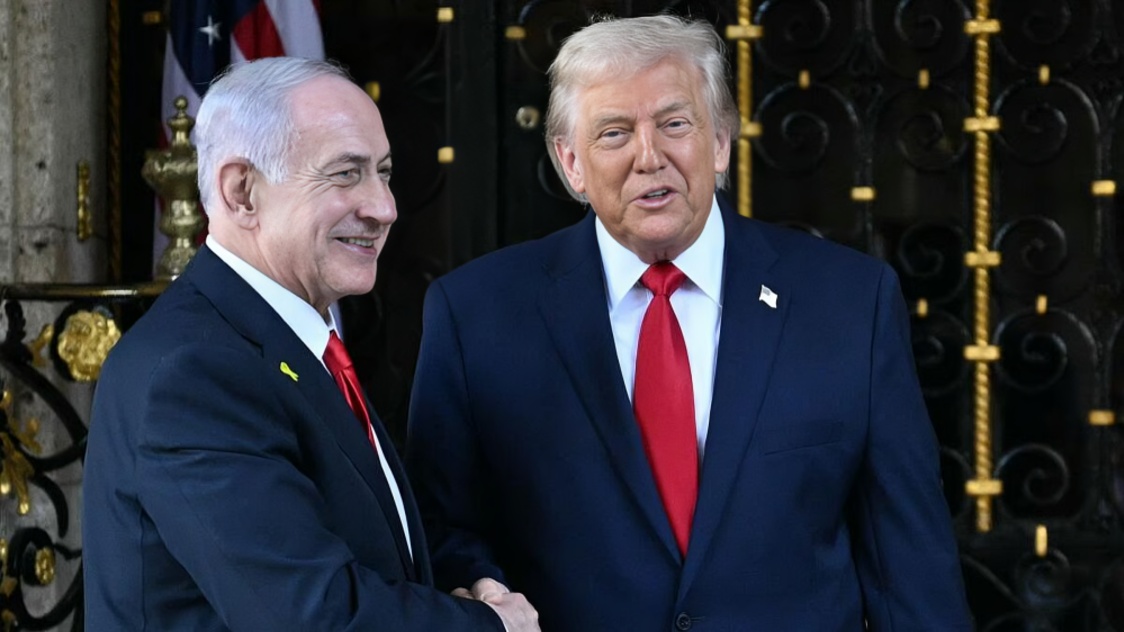
Israel's Ambassador to the United States has sought to downplay reports of tensions between former US President Donald Trump and Israeli Prime Minister Benjamin Netanyahu, emphasizing that the relationship between the two leaders remains strong despite media speculation.
The comments were made in response to reports suggesting disagreements or strained communications between Trump and Netanyahu during a period of heightened regional tensions involving Israel and Iran. According to the ambassador, discussions between the leaders should be viewed in the context of a long-standing political and personal relationship rather than as evidence of a significant rift.
The envoy described the interactions between the two leaders as friendly and constructive, noting that strong allies may occasionally have differences of opinion while maintaining close cooperation on broader strategic objectives. He emphasized that the partnership between the United States and Israel remains a key pillar of regional security and diplomatic engagement.
Reports about disagreements between political leaders often attract considerable attention, particularly when they involve countries with close strategic ties. In this case, speculation emerged regarding differing views on regional developments and policy approaches. However, Israeli officials have sought to reassure observers that communication channels remain open and that cooperation continues across multiple areas.
The United States and Israel have maintained a close relationship for decades, encompassing defense cooperation, intelligence sharing, economic ties, and diplomatic coordination. Successive administrations in both countries have viewed the partnership as an important element of regional stability and security.
Recent discussions surrounding Israel and Iran have heightened international attention on the positions of key political leaders. Regional developments have prompted extensive diplomatic consultations among allies and partners as governments seek to address evolving security concerns.
Political analysts note that differences in policy perspectives are not uncommon among allied nations. Even when leaders disagree on specific issues, broader strategic relationships often remain intact. Diplomacy frequently involves negotiations, discussions, and varying viewpoints on how best to address complex international challenges.
The ambassador's remarks appear aimed at countering speculation that disagreements could affect cooperation between the two countries. Israeli officials have repeatedly emphasized the importance of maintaining strong ties with the United States regardless of political developments or changes in leadership.
Observers also point out that public reports about private discussions between leaders can sometimes lead to differing interpretations. Official statements are often used to clarify positions and reassure both domestic and international audiences regarding the state of bilateral relations.
As regional tensions continue to draw global attention, relations between the United States and Israel are expected to remain closely watched by policymakers, analysts, and international observers. Developments involving Iran and broader Middle East security issues continue to shape diplomatic discussions among regional and global powers.
For now, Israeli officials maintain that there is no major breakdown in relations and that cooperation between the two countries remains strong. The ambassador's comments underscore Israel's position that reports of a significant rift between Donald Trump and Benjamin Netanyahu have been overstated and do not reflect the broader nature of their relationship or the partnership between their countries.