
Israel has intensified military operations in Lebanon with expanded airstrikes targeting sites linked to Hezbollah, including locations in the Bekaa Valley region. The escalation comes amid continuing cross-border hostilities and increasing concerns about regional security.
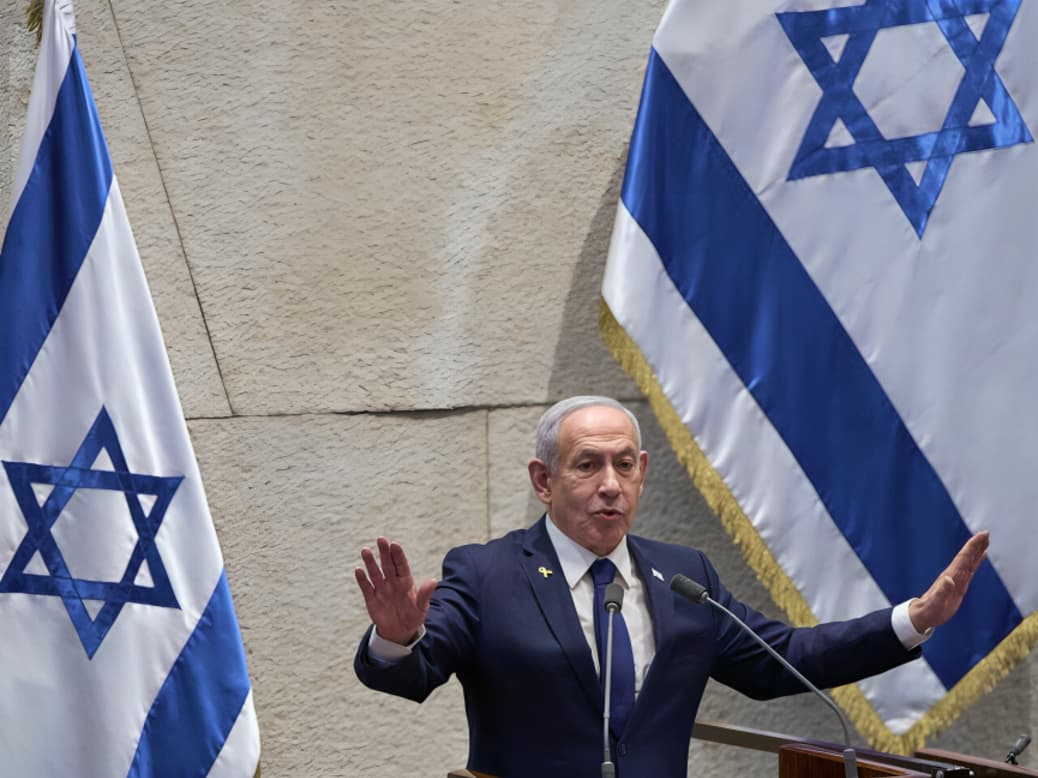
Israeli Prime Minister Benjamin Netanyahu stated that Israel would “increase the blows” against Hezbollah targets in response to ongoing rocket attacks and the group’s reported use of advanced fiber optic drone technology. Israeli authorities said the strikes were aimed at degrading Hezbollah’s operational infrastructure and reducing security threats near Israel’s northern border.
According to reports, the airstrikes targeted facilities believed to be associated with weapons storage, operational centers, and launch positions connected to Hezbollah activities. Explosions were reported in multiple areas across Lebanon, including regions within the Bekaa Valley, which has long been considered strategically important.
The latest developments mark another escalation in the long-running tensions between Israel and Hezbollah. Cross-border exchanges of fire and military activity have increased in recent months, contributing to growing fears of a broader regional conflict.
Hezbollah, which is based in Lebanon and backed by regional allies, has frequently exchanged hostilities with Israel over security and territorial disputes. The group is considered a major political and military force within Lebanon and has been involved in multiple confrontations with Israeli forces over the years.
Israeli officials have expressed concern over the increasing use of drones and missile technology by Hezbollah. Security analysts believe the reported deployment of fiber optic drones represents a technological advancement that could complicate military surveillance and defense operations.
Military experts note that drone warfare has become an increasingly important element in modern conflicts across the Middle East. Unmanned aerial systems are now widely used for surveillance, targeting, and attacks, making regional security situations more complex.
The ongoing conflict has also raised humanitarian and diplomatic concerns. International organizations and foreign governments have repeatedly urged restraint and called for diplomatic efforts to prevent further escalation. Regional instability has already affected civilian populations in border areas, leading to displacement and disruption of daily life in some locations.
Global observers are closely monitoring the situation due to concerns that expanding military action could affect wider geopolitical stability in West Asia. Increased tensions between Israel and Hezbollah often carry broader regional implications involving neighboring countries and international allies.
Financial markets and energy sectors also remain sensitive to developments in the region. Escalating conflict in West Asia can impact global oil prices, shipping routes, and investor confidence because of the region’s strategic importance to international trade and energy supplies.
The United Nations and other international bodies have repeatedly emphasized the importance of reducing hostilities and maintaining regional peace. Diplomatic channels remain active as global powers seek to prevent further deterioration of the security situation.
Analysts believe the coming days will be critical in determining whether military operations continue to intensify or whether diplomatic efforts can help ease tensions. Both regional governments and international agencies are expected to closely follow developments surrounding Israel’s operations in Lebanon and Hezbollah’s response.
The latest escalation highlights the fragile security environment in the region and the ongoing challenges facing efforts to maintain long-term stability in West Asia.