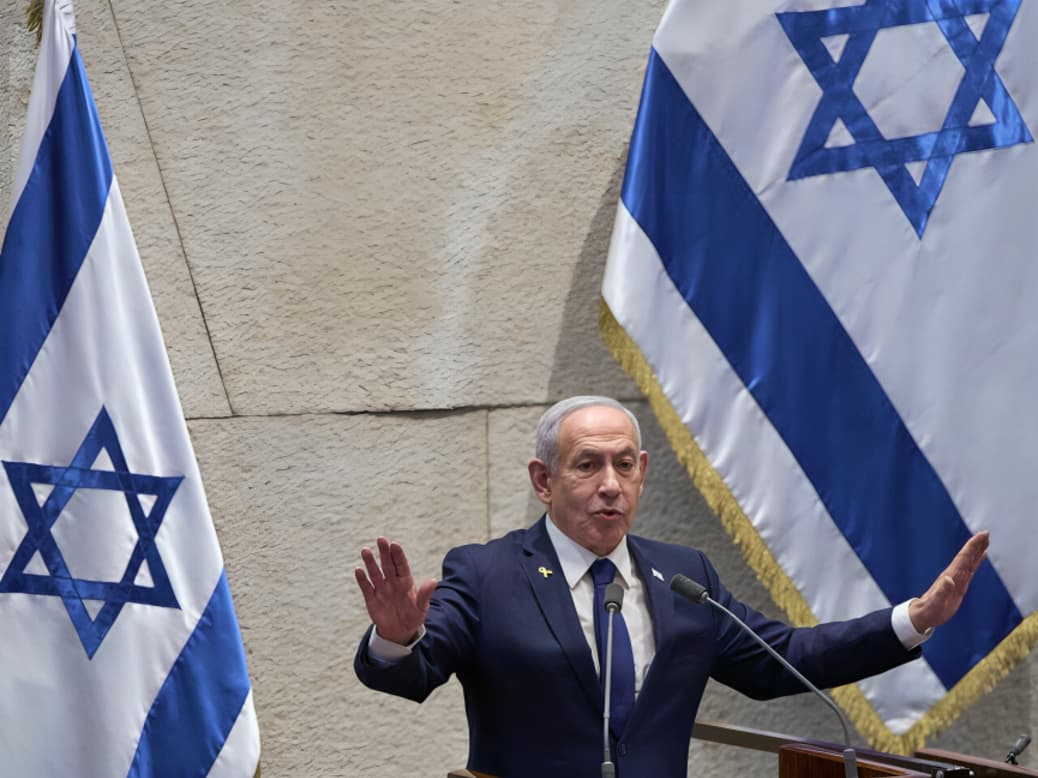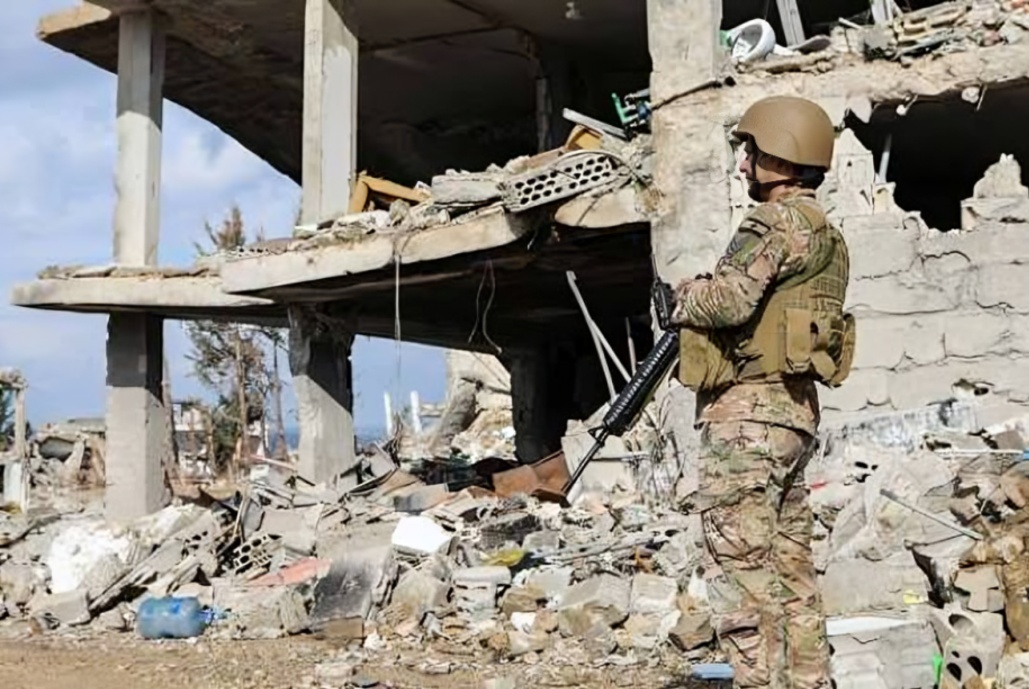
Israeli Defence Minister Israel Katz has stated that the country's military retains the ability to act against security threats in Lebanon despite the ceasefire arrangement currently in place with Hezbollah. His remarks have drawn attention to the fragile security situation along the Israel-Lebanon border and the challenges associated with maintaining long-term stability in the region.
The ceasefire, which recently came into effect following months of heightened tensions and military exchanges, was welcomed by international stakeholders as an opportunity to reduce violence and prevent further escalation. However, statements from Israeli officials indicate that the military remains prepared to take action if it identifies threats to national security.
According to Katz, the ceasefire does not prevent Israel from responding to activities that it considers a direct threat. He emphasized that Israeli security forces would continue to monitor developments along the border and take measures deemed necessary to protect the country's citizens and territorial integrity.
The situation along the Israel-Lebanon border has remained tense for an extended period. Cross-border exchanges, military operations and security incidents have contributed to concerns about the possibility of a wider regional conflict. Diplomatic efforts involving international mediators have sought to reduce tensions and encourage adherence to ceasefire arrangements.
Hezbollah, a major political and military organization based in Lebanon, has played a central role in the security dynamics of the region. The group and Israeli forces have experienced periodic confrontations over the years, leading to repeated calls from the international community for restraint and dialogue.
Analysts note that ceasefire agreements in conflict-prone regions often face challenges during implementation. Even after formal agreements are reached, both sides frequently maintain heightened security readiness due to concerns about potential violations or renewed hostilities. As a result, military forces often continue surveillance and defensive operations while monitoring compliance with agreed terms.
Regional governments and international organizations have urged all parties to respect the ceasefire and avoid actions that could lead to renewed violence. Diplomatic representatives have emphasized the importance of communication, de-escalation and adherence to international agreements in order to maintain stability.
The security situation is also being closely monitored by humanitarian agencies. Periods of conflict and military activity have affected communities on both sides of the border, leading to displacement, economic disruptions and concerns about civilian safety. Humanitarian organizations continue to advocate for measures that reduce risks to civilian populations and support long-term peace efforts.
Observers believe that the coming weeks will be crucial in determining the durability of the ceasefire. Continued cooperation among regional stakeholders and international mediators may play a significant role in preventing further escalation and maintaining calm along the border.
The latest remarks from Israeli officials underscore the delicate balance between ceasefire commitments and national security considerations. While the agreement represents an opportunity for reduced tensions, the situation remains closely watched by governments, security experts and international institutions.
As diplomatic efforts continue, attention will remain focused on whether the ceasefire can be sustained and whether both sides can avoid actions that might undermine ongoing attempts to preserve stability in the region.